



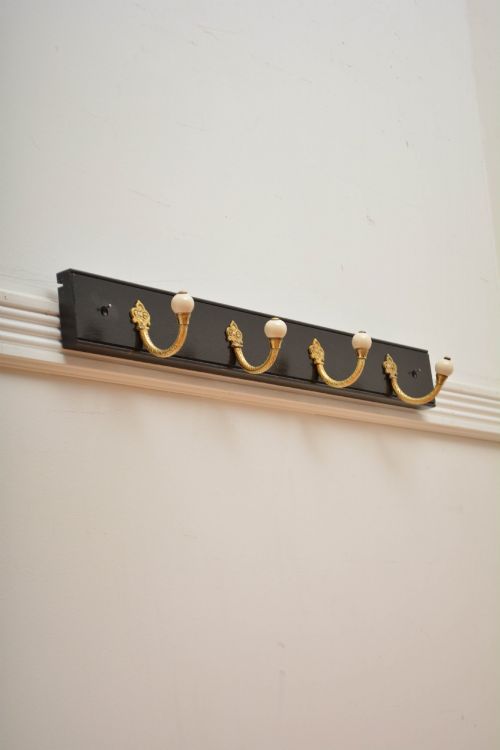
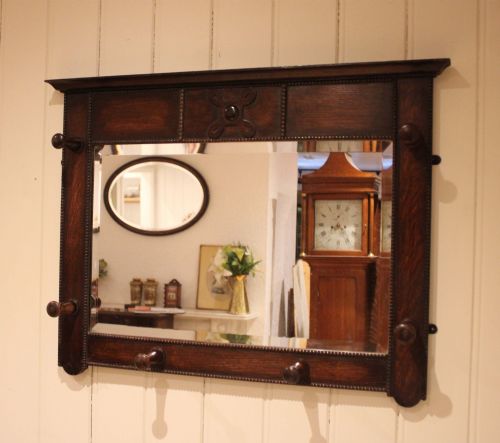


Edwardian Wall Hooks
Edwardian wall hooks offer practical utility combined with refined period craftsmanship, perfect for organising hallways with authentic period character.
Edwardian Wall Hooks
Edwardian wall hooks represent a functional domestic category typically found mounted on wooden boards, plaques, or integrated into hall mirrors and small cabinets. These pieces served to organise garments and hats in entranceways and reception rooms of period homes.
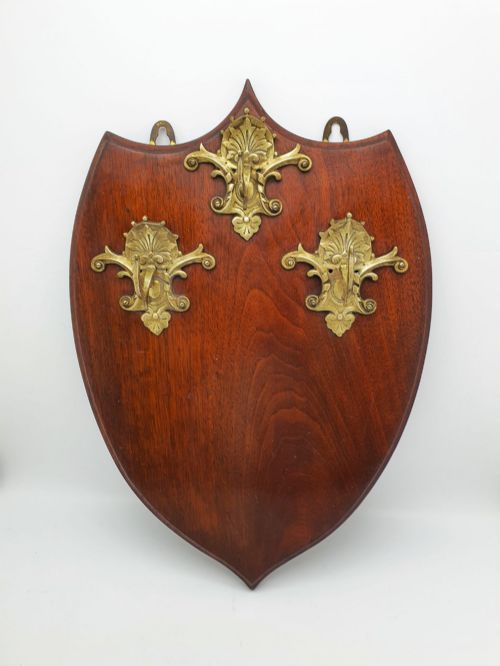
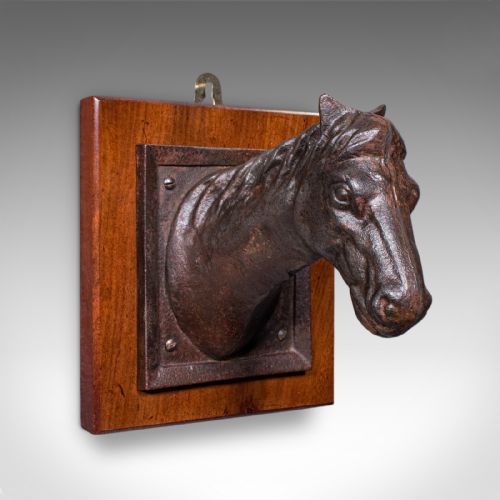
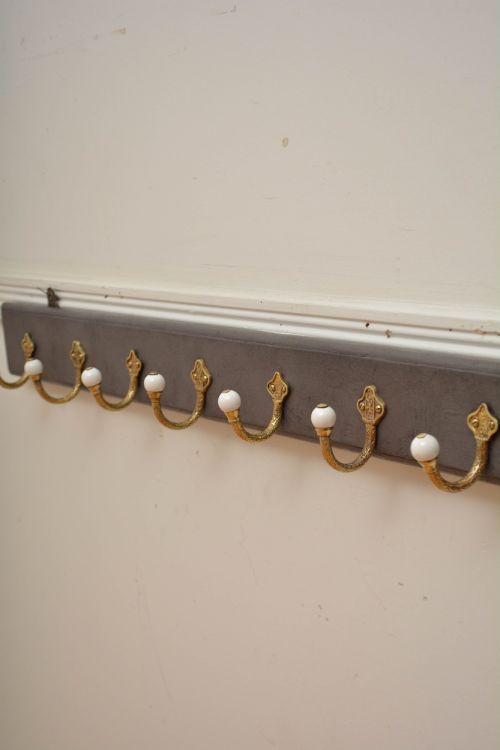
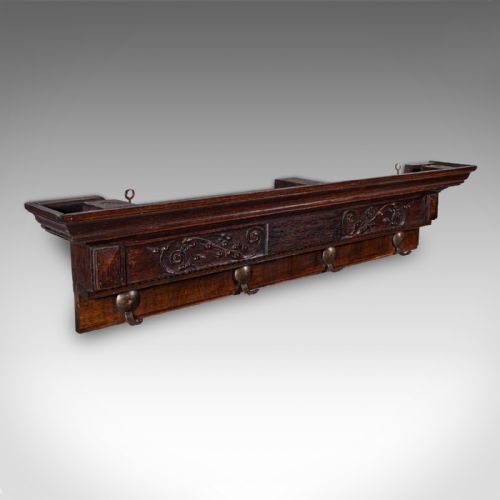
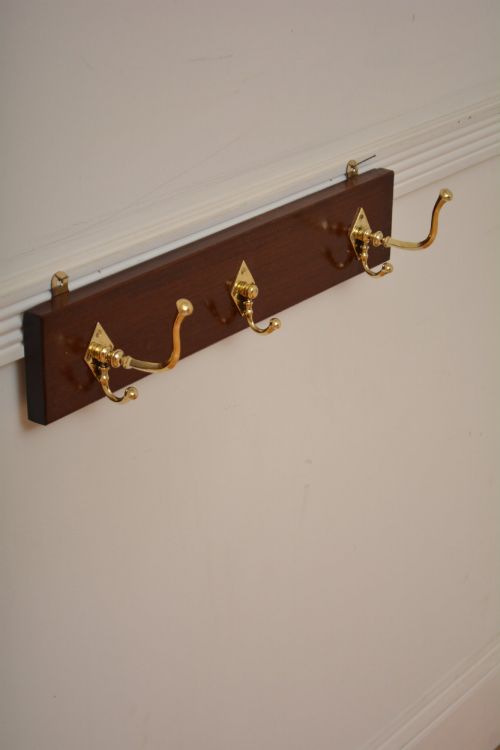
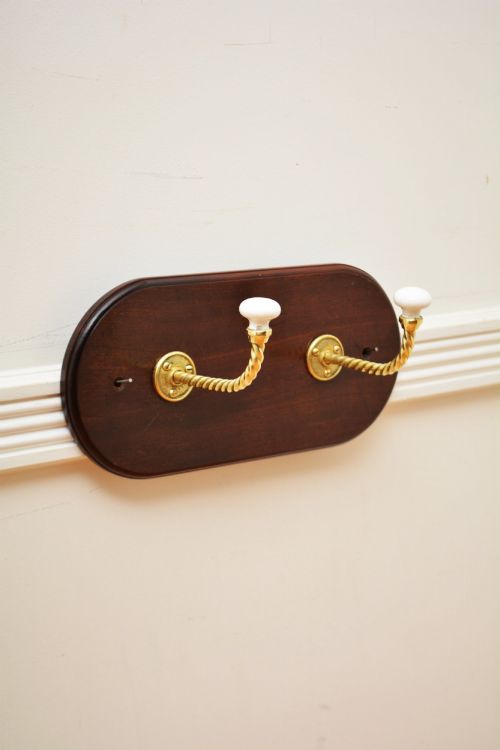
The most common formats met on this page include mahogany or oak mounting boards fitted with cast brass hooks, alongside single or paired metal, ceramic, and bronze variants. Examples range from simple rows of cloakroom hooks to elaborate mirrored wall plaques and equestrian-themed designs.
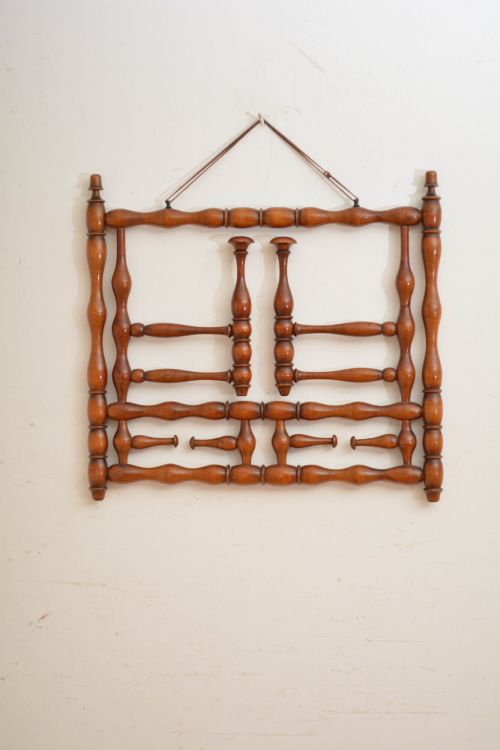
Origins span late Victorian and Edwardian periods, stretching from the late nineteenth century through to the early twentieth century. Buyers encounter both English craftsmanship and continental European pieces, including French styles and Dutch hallway valets.
Materials and construction
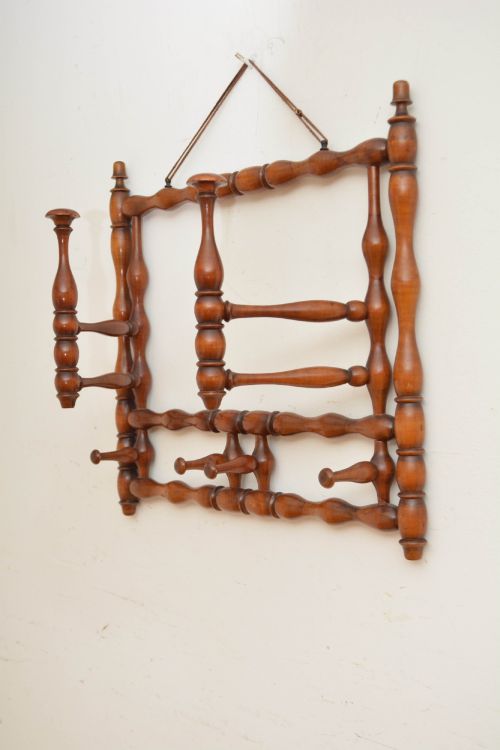
Makers utilised durable hardwoods such as mahogany, oak, beech, and ebonised timber for mounting backplates, providing a robust foundation for supporting heavy garments. These wooden elements are frequently shaped with bevelling, turnings, or carved details.
Metalwork forms the essential functional component, employing cast brass, iron, bronze, and plated metals shaped into robust hooks and mounting plates. Many examples incorporate ceramic inserts, glass elements, or mounted horse busts and horns.
Edwardian Wall Hooks Retail Price Guide 2026
Typical asking prices for edwardian wall hooks among the pieces listed under this phrase on Sellingantiques today, from the lower quarter to the upper quarter. They describe what is for sale here now, not the wider market.
Listings span the nineteenth century into the twentieth century, combining hardwoods like mahogany and oak with cast brass, bronze, and ceramic hardware.
Qualities of distinction
Harmony between the timber board and the metal hardware determines the integrity of the piece, with matched sets of hooks indicating an intentional original composition rather than later assembly. Surface finish and the preservation of original patination on both the timber and metal further distinguish better examples.
The Edwardian Wall Hooks Glossary
- Backplate
- The wooden plaque or metal strip that attaches to the wall and secures the individual hooks in alignment. This element provides structural stability and often displays decorative carving or wood grain.
- Bevelled plate
- A mirror glass featuring an angled, hand-ground edge that creates a decorative framing effect. This technique adds depth and light reflection to hall mirrors and combination coat racks.
- Cloakroom rack
- A long wooden mounting strip fitted with multiple hooks designed specifically for hanging outdoor coats and hats. These practical furnishings were standard fixtures in period entrance halls.
- Ebonised
- Timber treated with a chemical stain or finish to simulate expensive ebony wood. This dark, polished surface was popular in late nineteenth-century furnishing design.
- Equestrian tack
- Decorative hardware or mounts themed around horses, riding crops, and horseshoe motifs. These sporting elements reflect the popularity of equestrian culture in period home decoration.
Edwardian Wall Hooks: Frequently Asked Questions
How were edwardian wall hooks used?
These fixtures were mounted in hallways, boot rooms, and reception areas to hold coats, hats, and walking canes for household members and visitors.
Many incorporated mirrors, small shelves, or key cabinets to serve multiple domestic functions within a single entranceway installation.
How do I install an antique coat rack?
Secure the wooden backplate directly into wall studs or utilise appropriate heavy-duty wall plugs to support the weight of winter garments.
Ensure the mounting screws match the period aesthetic of the brass or iron screw-holes on the backplate.
Are these hooks strong enough for daily use?
Period cast brass and iron hooks are robustly constructed and designed to bear the weight of heavy wool coats and everyday outdoor wear.
Proper wall anchorage ensures the assembly remains secure under the load of multiple garments.
How do I tell an original edwardian piece apart?
Examine the construction methods, screw types, and the natural patination on the timber and metal surfaces for signs of genuine age.
Original pieces often feature period-appropriate brass casting styles and wood finishes characteristic of the late nineteenth and early twentieth centuries.