





Edwardian Velvet Settee
An edwardian velvet settee brings warmth and deep texture to a room, offering generous seating rooted in early twentieth-century cabinet-making.
Edwardian Velvet Settee
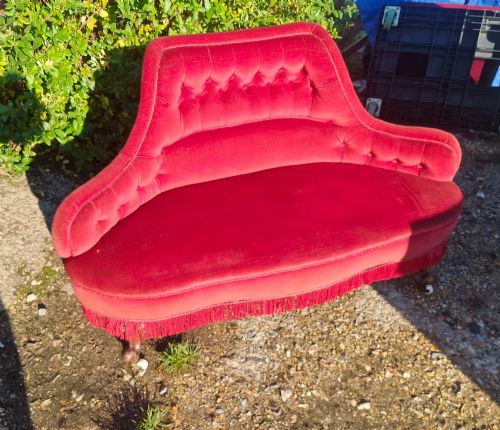
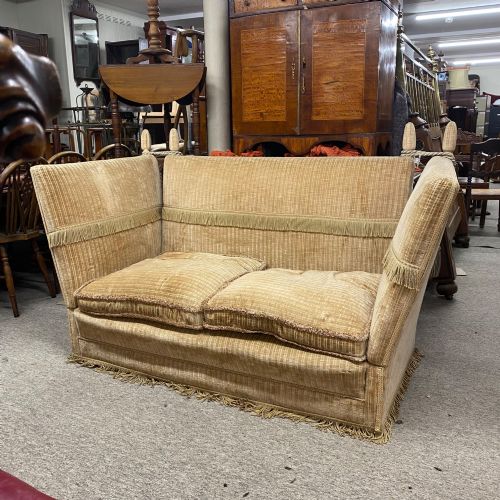
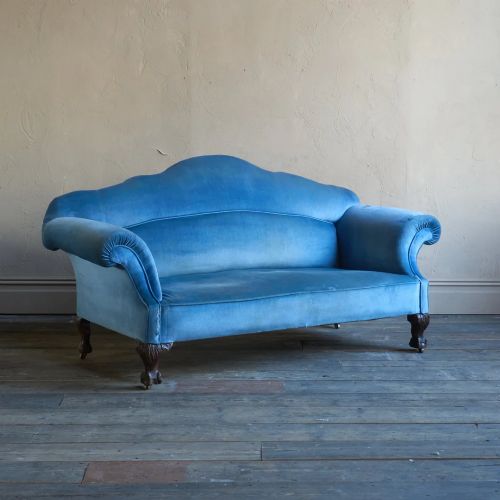
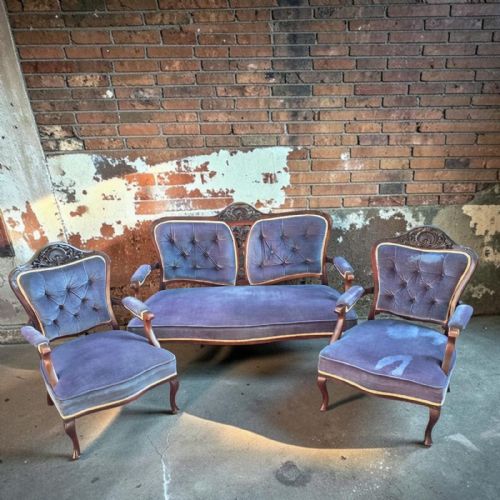
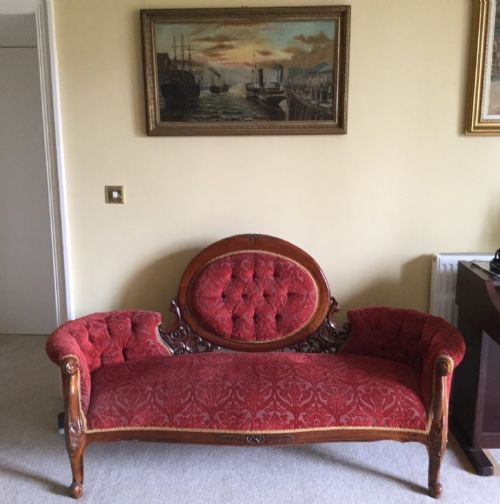
An edwardian velvet settee combines the lighter proportions of the early twentieth century with luxurious upholstery, spanning formats from petite two-seat sofas to larger salon suites. These pieces emerge across periods ranging from the late nineteenth century through the nineteen-twenties, reflecting shifting domestic tastes in formal reception rooms.
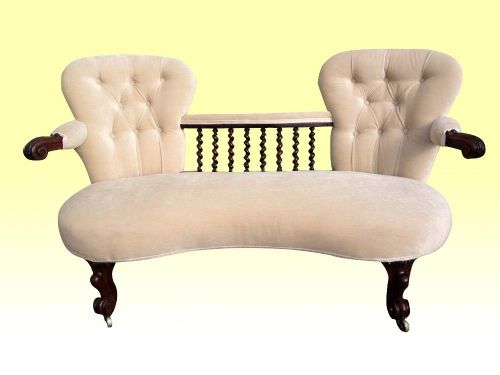
Buyers encountering this phrase find diverse structural styles, including revived classical motifs, inlaid mahogany frames, and occasional carved walnut woodwork. Alongside standard settees, related seating forms such as banquettes, chaise longues, and window seats appear frequently within the listings.
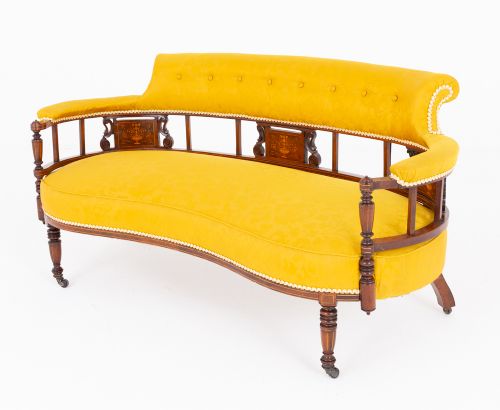
The prevailing aesthetic moves away from heavy Victorian bulk toward refined cabriole legs, delicate stringing, and supportive sprung bases. While some examples remain strictly Edwardian in date, others bridge the late Victorian era and the interwar period.
Markers of quality
Quality rests upon the crispness of the timber carving and the subtlety of any wood inlay, where finer examples display precise hand-cut marquetry rather than simple painted lines. The integrity of the underlying hardwood frame dictates longevity, separating robust parlor seating from lighter decorative pieces.
Upholstery execution heavily influences desirability, particularly when makers apply deep buttoning or intricate fabric trims by hand. Original woodwork condition and maker attribution further elevate specific pieces above standard production models.
Edwardian Velvet Settee Retail Price Guide 2026
Typical asking prices for edwardian velvet settee among the pieces listed under this phrase on Sellingantiques today, from the lower quarter to the upper quarter. They describe what is for sale here now, not the wider market.
Listings incorporate woods such as mahogany, walnut, rosewood, and beech, paired with velvet and fabric upholstery across multiple decades.
Howard and Sons·Hampton and Sons·James Shoolbred
The Edwardian Velvet Settee Glossary
- Camel back sofa
- A seating form featuring an undulating, curved top rail that mimics the hump of a camel. This profile gains popularity during revival periods.
- Banquette sofa
- A long upholstered bench seating format, often built for wall placement or alcoves. These pieces occasionally incorporate velvet trim.
- Salon suite
- A matched set of reception room seating comprising a settee and accompanying chairs. These groupings dominate formal nineteenth and early twentieth-century drawing rooms.
- Chaise longue
- An elongated chair designed for reclining, combining the backrest of a sofa with the seat length of a daybed. Walnut and rosewood examples occur frequently.
Edwardian Velvet Settee: Frequently Asked Questions
How do I care for velvet upholstery?
Vacuum the fabric gently using a soft brush attachment to remove dust without crushing the pile.
Keep the settee away from direct sunlight to prevent fading and professional cleaning is recommended for stubborn marks.
Are these settees suitable for daily use?
Many Edwardian and late nineteenth-century frames feature sturdy hardwood construction and robust sprung bases designed for regular seating.
However, delicate antique frames or fragile historical textiles require a more considered placement in low-traffic areas.
How do I distinguish Edwardian from Victorian styles?
Edwardian seating generally displays lighter proportions, brighter mahogany or inlaid timbers, and restrained ornamentation compared to earlier decades.
Victorian pieces often rely on darker walnut or rosewood, heavier carvings, and more substantial silhouette profiles.
Can I place a salon settee in a modern interior?
The slender legs and warm timber tones of these settees contrast effectively against minimalist walls and contemporary flooring.
Mixing period seating with modern elements adds texture and historical depth to a domestic space.