





Edwardian Upholstery Chair
An edwardian upholstery chair combines deep seating with traditional framework, offering enduring comfort and period character for any interior.
Edwardian Upholstery Chair
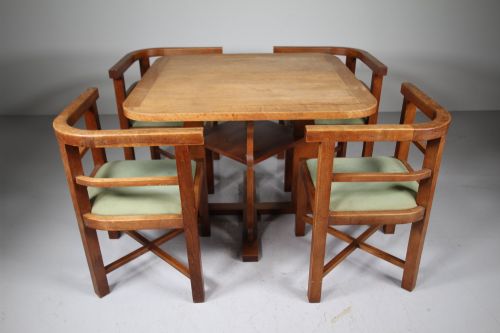
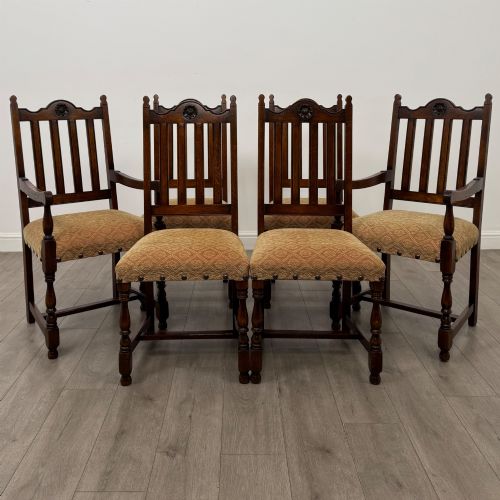
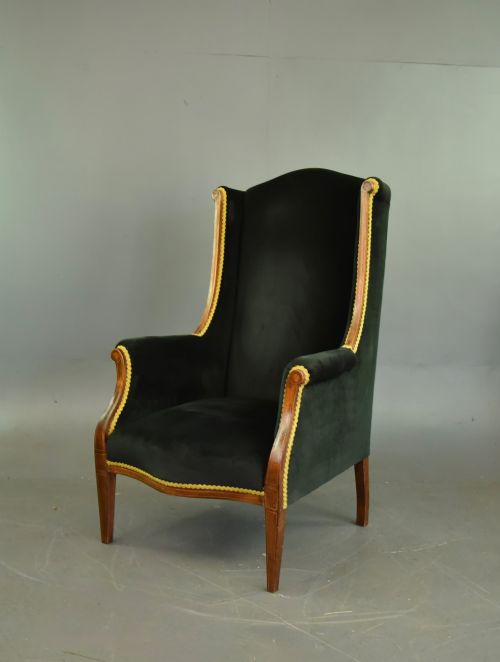
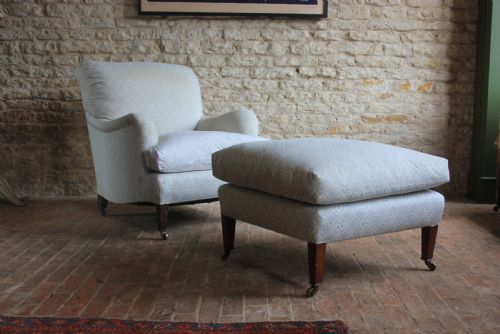
When searching for an edwardian upholstery chair, buyers encounter a diverse selection of seating forms spanning armchairs, library chairs, wingbacks, and boudoir designs. The Edwardian era favoured both compact occasional seating and generously proportioned club armchairs intended for relaxed lounging in country houses and town residences.
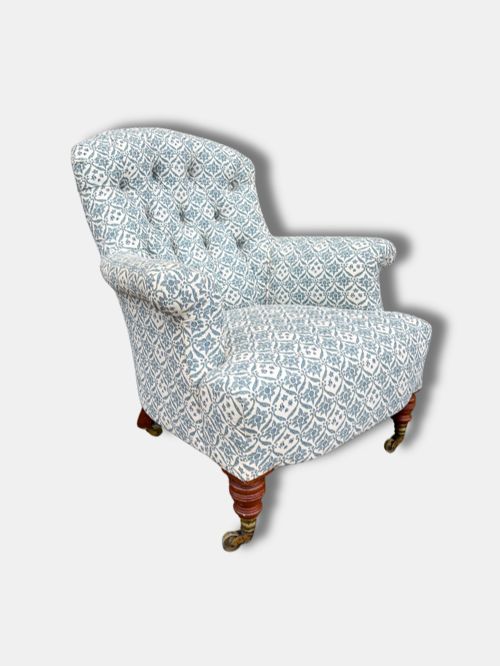
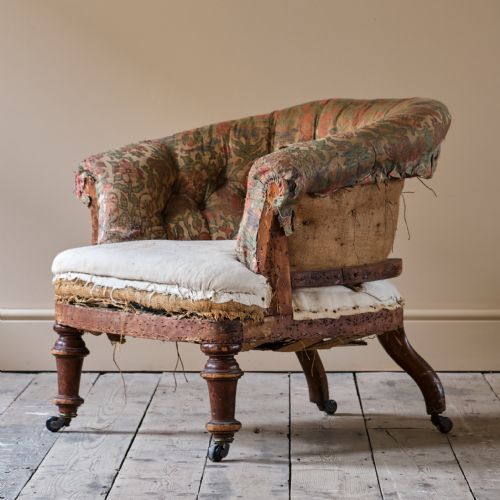
Many examples emerge from the late nineteenth and early twentieth centuries, reflecting transitional Victorian influences alongside lighter Edwardian aesthetics. Common configurations include tub backs, barrel backs, and nursing chairs, frequently constructed in mahogany, walnut, or oak frames.
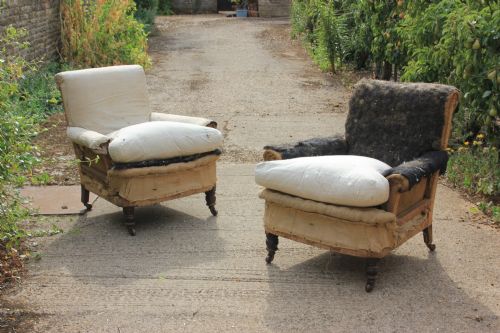
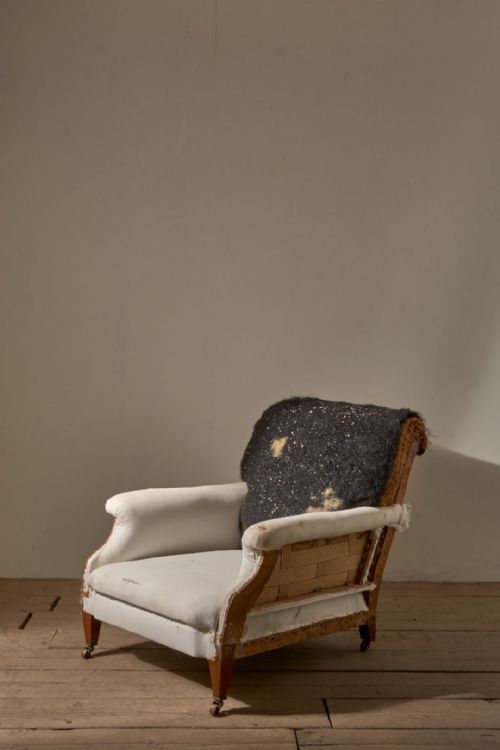
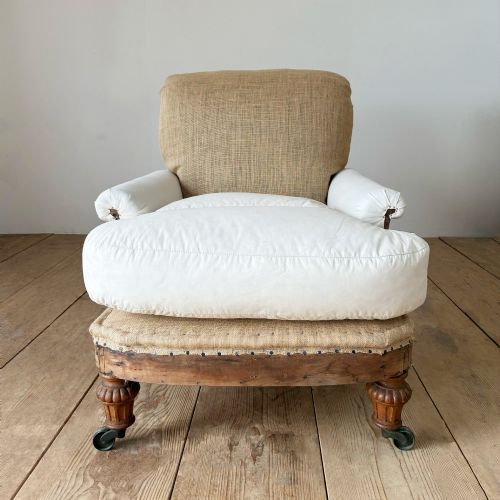
Listings frequently include pieces offered either newly reupholstered or stripped back in calico and hessian, ready for bespoke fabric selection. This flexibility allows purchasers to match specific interior schemes while retaining the original structural framework of the period.
Assessing Quality
Quality rests upon the integrity of the wooden frame, the precision of original joinery, and the depth of the seating proportions. Heavier, deeper frames with robust springing indicate superior craftsmanship intended for enduring daily use.
The standard of finishing, from delicate mahogany inlay to the crisp execution of carved walnut details, distinguishes standard domestic seating from high-end workshop productions.
Edwardian Upholstery Chair Retail Price Guide 2026
Typical asking prices for edwardian upholstery chair among the pieces listed under this phrase on Sellingantiques today, from the lower quarter to the upper quarter. They describe what is for sale here now, not the wider market.
Some diminutive child-sized armchairs survive precisely as their full-sized counterparts, offering miniature sprung comfort for the youngest household members.
Howard and Sons·Gillows·Robert Strahan
The Edwardian Upholstery Chair Glossary
- Calico
- A plain-woven cotton fabric used as an internal lining layer beneath decorative upholstery textiles. It provides a stable base before the final top cover is applied.
- Hessian
- A coarse woven fabric, typically made from jute fibres, utilised for internal webbing and foundation support within traditional seat construction.
- Tub back
- A chair design featuring a semicircular rounded backrest that continuous down into low arms. This enclosing form provides compact comfort.
- Wingback
- An armchair featuring protective side panels attached to the backrest to deflect draughts. Early versions often incorporate deep seats and scrolled arms.
- Ticking
- A tightly woven cotton or linen fabric characterised by stripe patterns. Historically utilised to contain feather and down filling inside cushions.
Edwardian Upholstery Chair: Frequently Asked Questions
What defines an edwardian upholstery chair?
An edwardian upholstery chair typically dates from the early twentieth century, combining supportive sprung seating with classic wood frames like mahogany or walnut. These pieces range from compact bedroom chairs to deep club armchairs.
Many survive with their original frames intact, often discovered either recently recovered in new textiles or presented in calico ready for custom upholstery.
How do I choose fabric for reupholstering?
Selecting fabric depends on the intended room and whether the piece serves as a decorative accent or daily seating. Velvet, wool, ticking, and patterned cottons all suit historical frameworks.
Many pieces are sold ready for re-upholstery, allowing buyers to pair period frames with contemporary textiles or traditional prints.
Where were these chairs placed originally?
In period homes, these chairs occupied libraries, drawing rooms, bedrooms, and country house sitting rooms. Smaller slipper and nursing chairs suited private chambers, while large club chairs filled communal spaces.
Their varied scale allows them to function equally well in modern studies, living rooms, and hallways today.
How can I tell Edwardian from Victorian chairs?
Edwardian chairs generally exhibit lighter proportions, simpler lines, and less heavy ornamentation than their mid to late Victorian predecessors. Mahogany inlay and Sheraton revivals frequently appear in the later period.
Victorian pieces often favour darker woods, button-backed upholstery, and heavier structural masses.