
Edwardian Tray
An edwardian tray brings practical service and polished timber or metalwork into a room.
Edwardian Tray
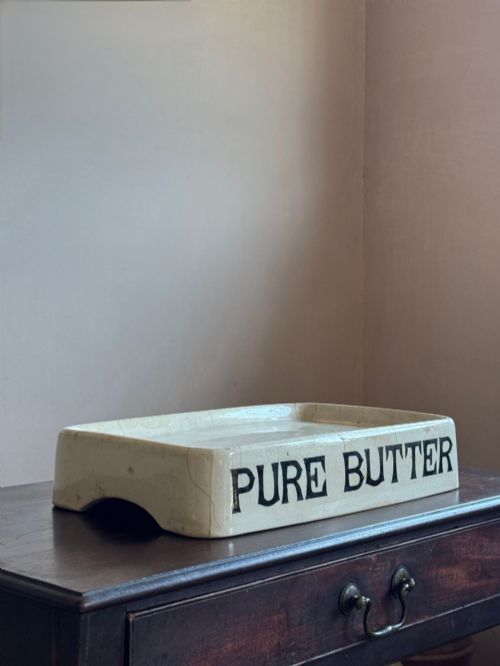
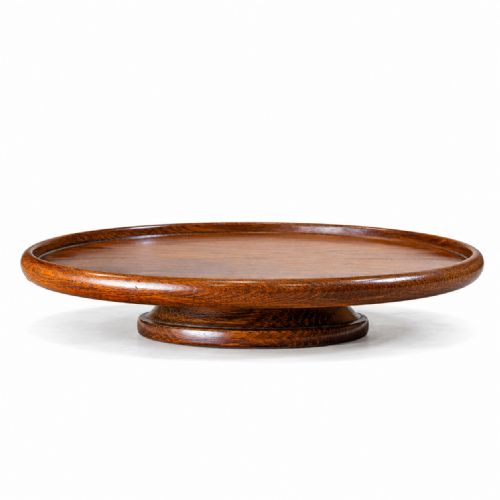
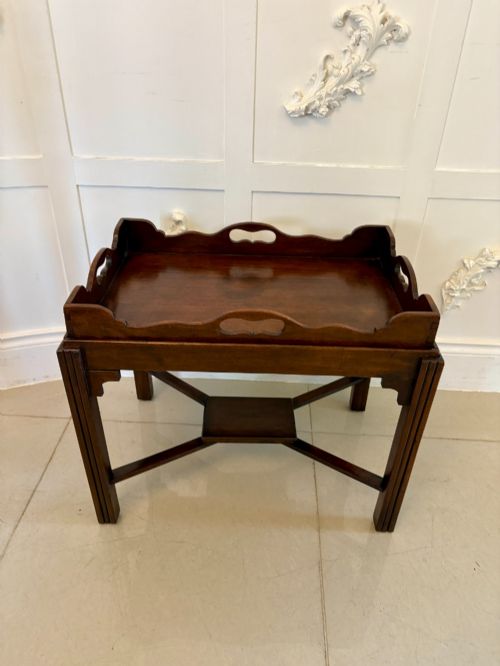
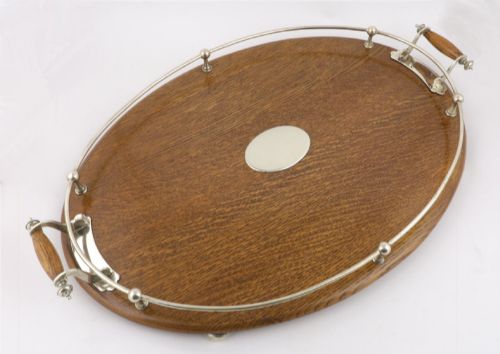
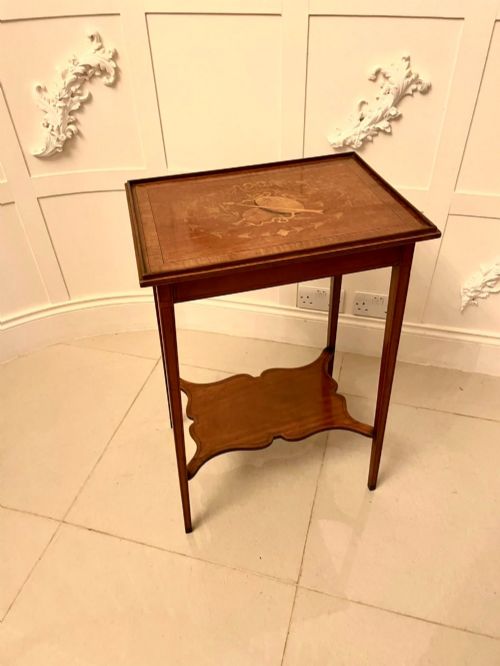
An edwardian tray primarily encompasses serving trays, but the phrase stretches across related forms like butler trays on stands and tray-top tables originating from the late nineteenth and early twentieth centuries. Pieces span periods from the nineteenth century into the twentieth century, carrying the stylistic influence of Sheraton Revival and the Arts and Crafts movement alongside standard Edwardian design.
The materials recorded in these pieces include oak, mahogany, satinwood, brass, and silver plate. The visitor encounters everything from simple oak and beech folding pieces to elaborate silver-plated gallery trays with inlaid timber surfaces.
Materials and construction methods
Timbers such as mahogany, oak, and satinwood form the structural basis of wooden pieces, often shaped with inlaid banding or oyster veneers. Cabinet makers employed traditional joinery techniques to secure raised edges and handles, ensuring stability during service.
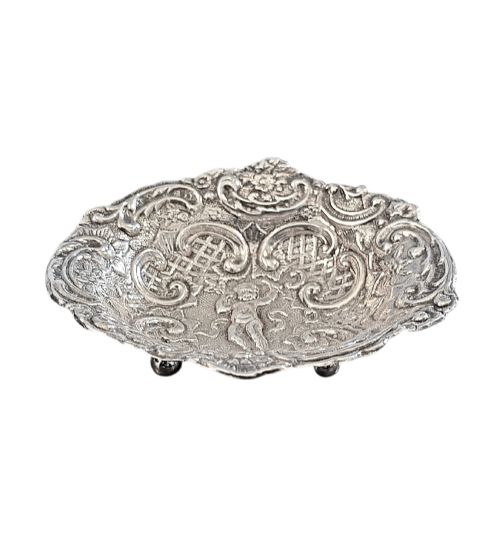
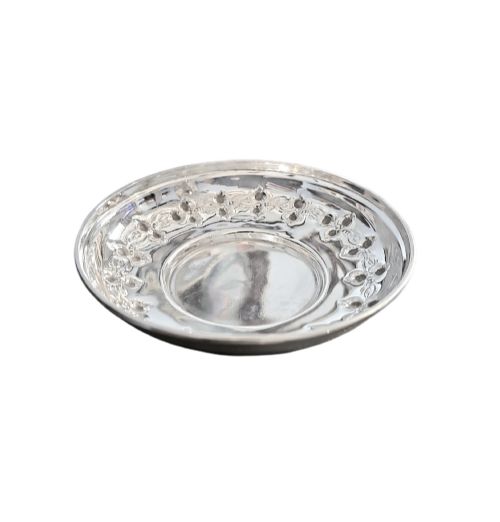
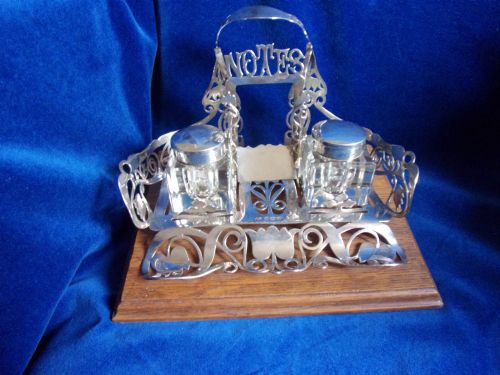
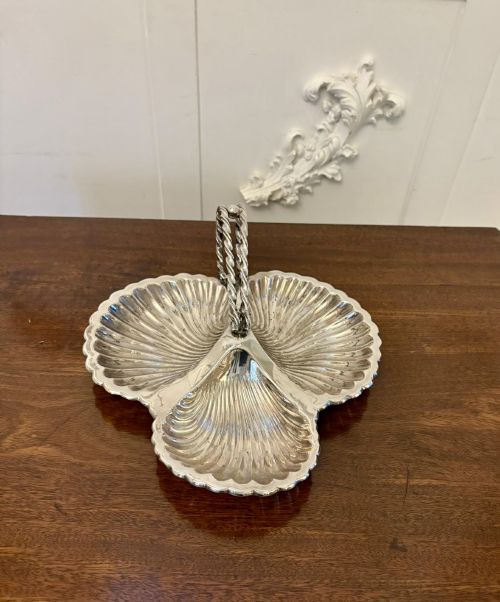
Metal versions rely on brass and silver plate applied to a solid base, frequently incorporating pierced galleries, engraved surfaces, or applied handles. Makers integrated wood and metal by mounting silver-plated galleries onto oak or mahogany bases.
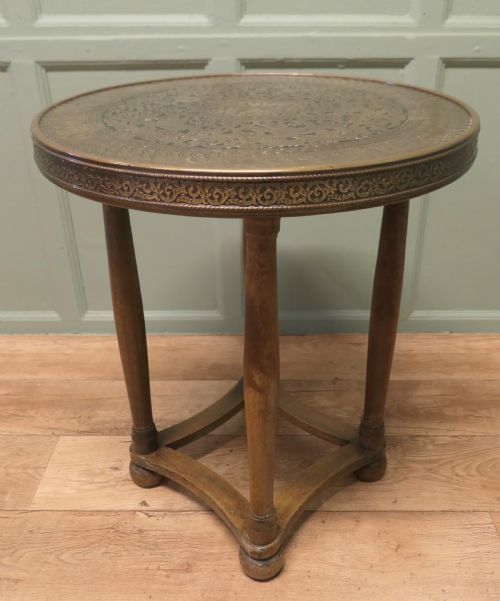
A folding table in the campaign style ensures your afternoon tea travels as well as a nineteenth-century military officer.
Distinctions in construction and finish
Quality rests in the crispness of the timber inlay, the weight of the metal plating, and the rigidity of the raised gallery or handles. Finer examples show precise woodwork and deeply engraved patterns, whereas simpler items rely on plain surfaces and basic joinery.
William Aitken·Thomas Bradbury And Sons·Mappin And Webb·James Deakin·William Neale·William Hutton And Sons
The Edwardian Tray Glossary
- Gallery tray
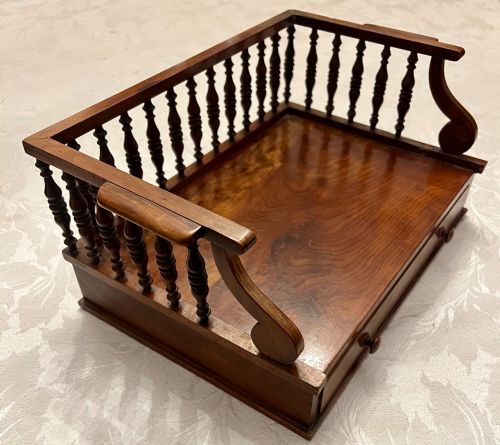
- A tray with a pierced or solid raised metal or wooden rim around the edge. This edge keeps glassware and decanters secure during transport.
- Butler tray
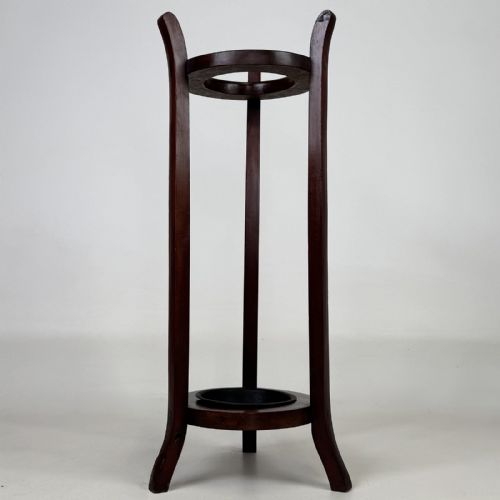
- A portable wooden tray designed to lift off a folding support stand. It serves meals or drinks and packs away flat when not in use.
- Silver plate
- A layer of silver bonded to a base metal like copper or nickel silver. This technique provides the appearance of solid silver at a lower weight and cost.
- Inlay
- Contrasting woods, shells, or metals set flush into the surface of a primary timber. Craftsmen use this method to create decorative borders and geometric motifs.
Edwardian Tray: Frequently Asked Questions
What is an edwardian tray used for?
These items serve drinks, afternoon tea, and small dishes across a room. They also function as stationary display surfaces on occasional tables.
Some variants mount directly onto folding wooden stands to operate as a temporary side table. Others feature deep wooden galleries to contain decanters and glassware safely.
How do I clean an edwardian tray?
Wooden surfaces require a soft dry cloth and occasional application of appropriate furniture wax to preserve the timber finish. Avoid harsh chemical cleaners that strip the original polish.
Silver-plated sections need specialised metal polish applied gently to avoid wearing through the plate. Metal galleries should be kept dry to prevent tarnishing and spotting.
How can I tell an edwardian tray from a victorian one?
Edwardian examples tend to show lighter timbers such as satinwood, simpler Sheraton Revival lines, and occasionally lighter inlay work. Victorian counterparts often feature darker mahogany, heavier proportions, and more robust brass gallery rails.
Stylistic overlap remains common because design traditions carried forward across the turn of the twentieth century. Hallmarks and registration numbers on the metal components provide the most reliable dating evidence.
Can I use an edwardian tray for daily service?
Solid construction in oak and mahogany allows these pieces to handle regular use for carrying drinks or serving food. Handles and gallery joints provide the necessary support for daily movement.
Delicate satinwood or heavily silver-plated items benefit from more careful handling to protect the veneer and metal plating. Using coasters and avoiding excessive moisture preserves the surface condition.