
Edwardian Tiered Stand
An edwardian tiered stand brings multiple display surfaces into a room, offering practical elegance through stacked platforms designed for lamps, books, or plants.
Edwardian Tiered Stand
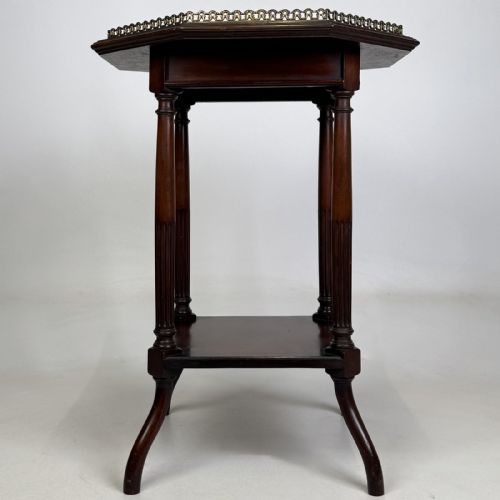
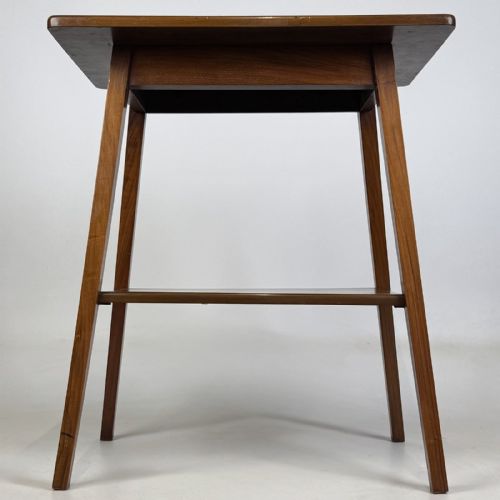
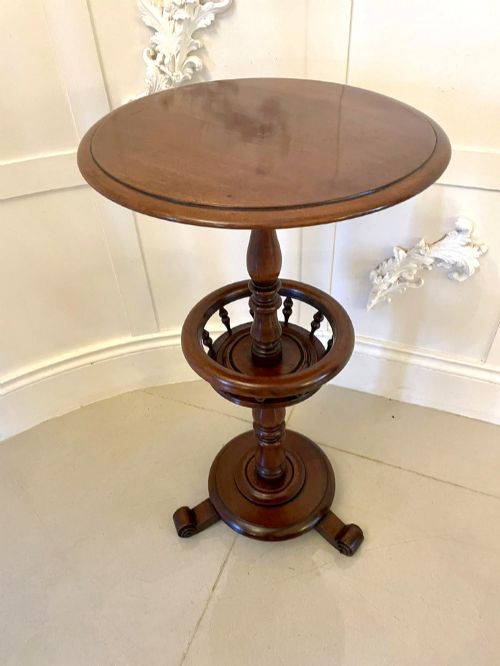
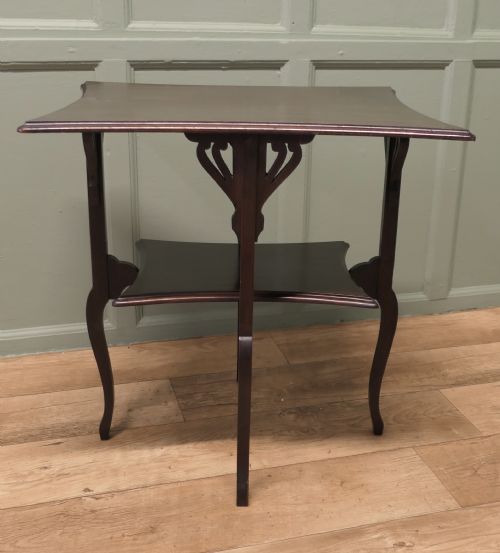
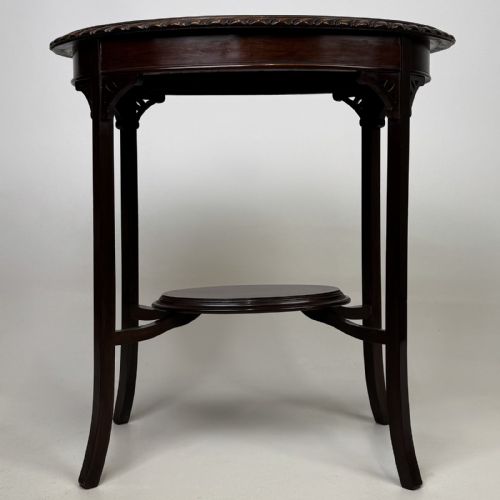
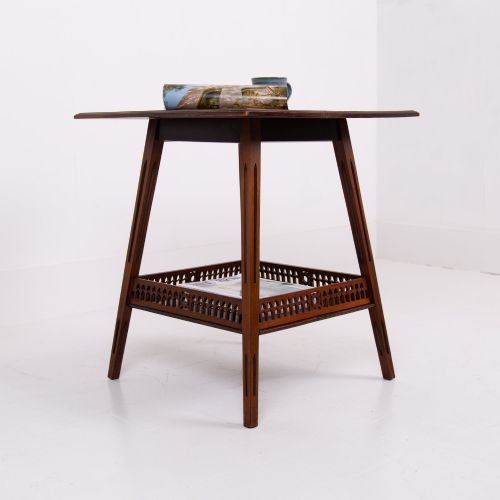
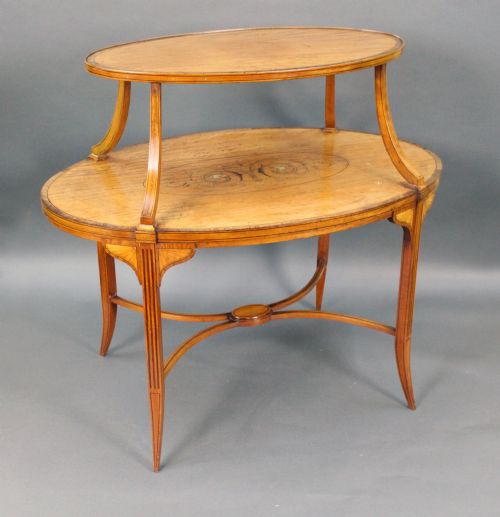
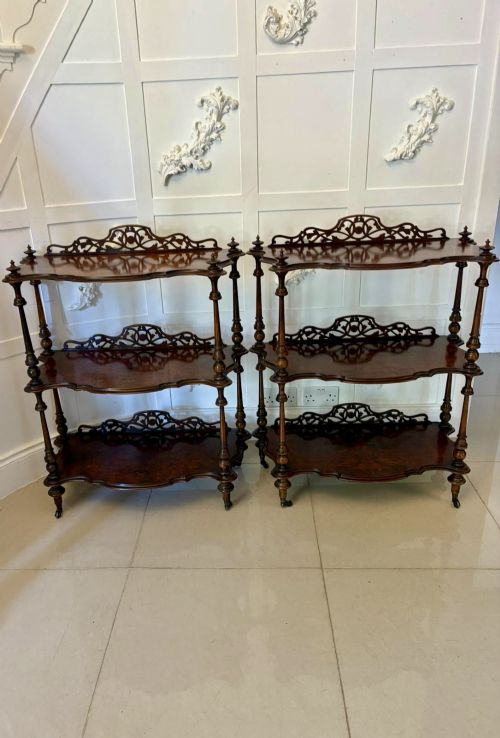
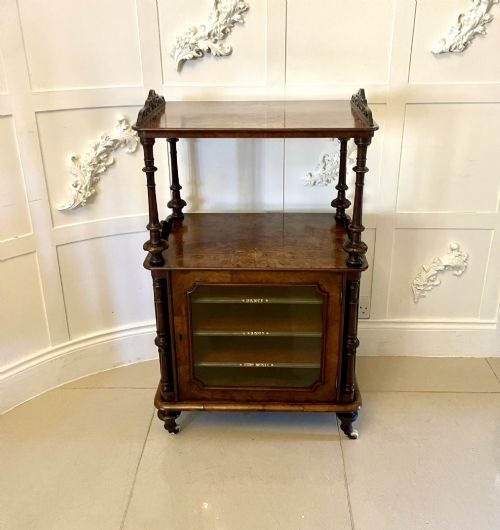
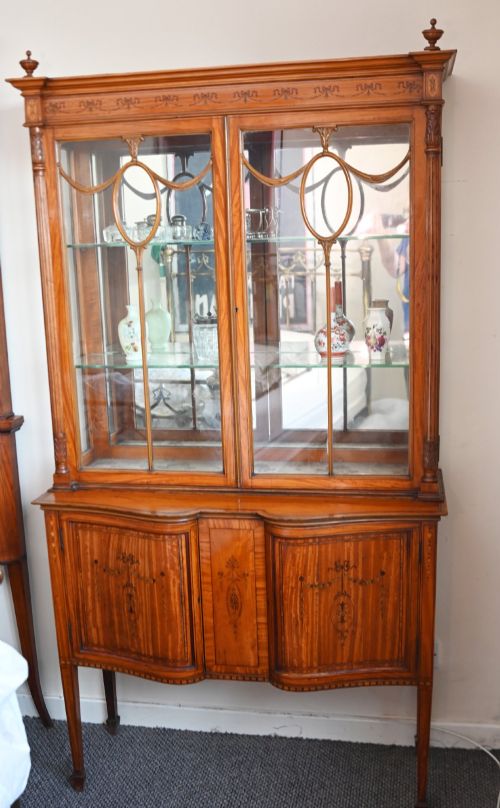
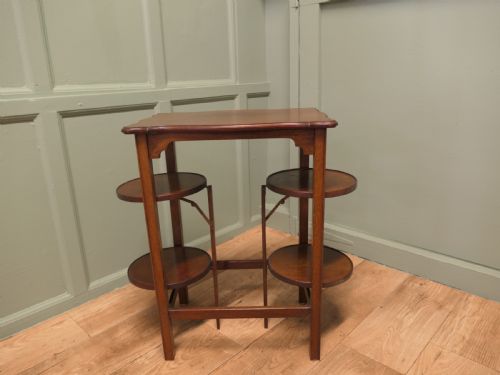
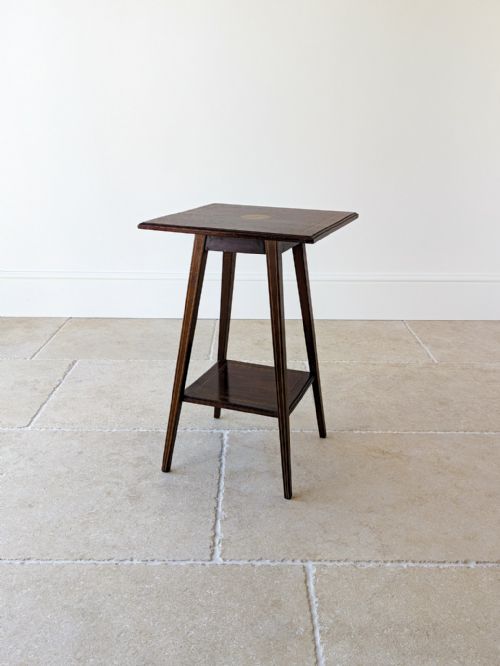
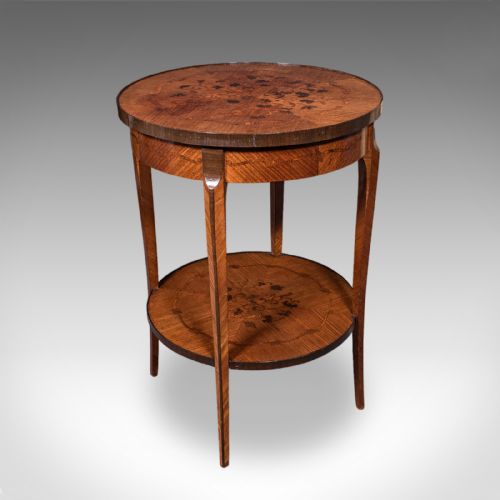
When you search for an edwardian tiered stand, you encounter multi-level furnishings primarily originating from the Edwardian period alongside late Victorian and interwar examples. These pieces span functional forms including side tables, occasional tables, cake stands, plant stands, display shelves, and etageres.
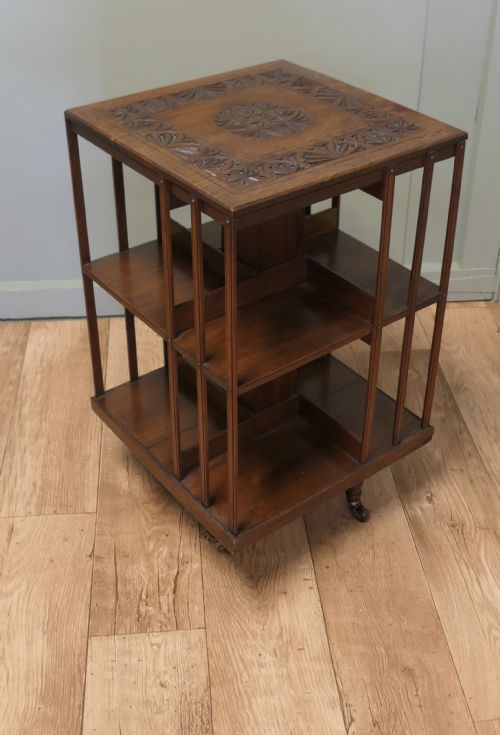
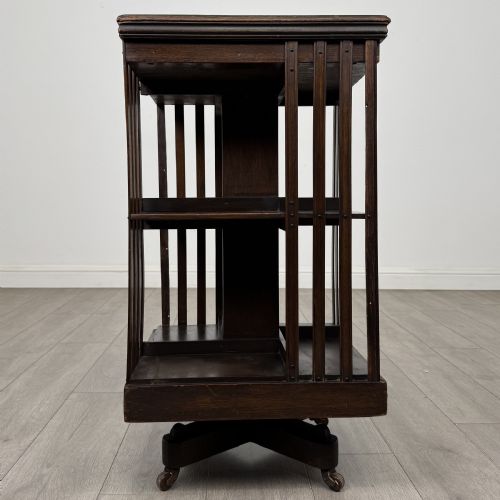
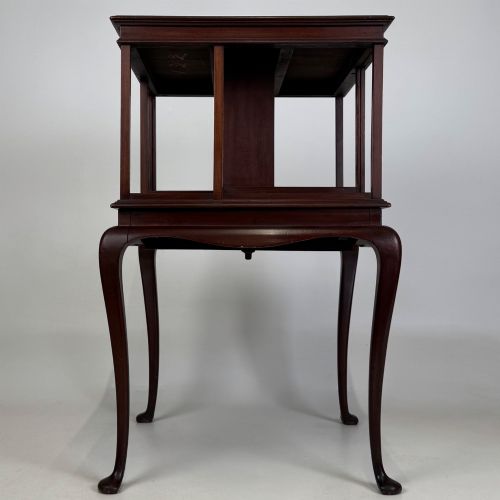
Mahogany and oak dominate the selection, frequently taking shape as revolving bookcases or tiered plant stands. Pieces often incorporate decorative elements such as boxwood inlay, brass accents, or painted surfaces reflecting Sheraton Revival and Arts and Crafts influences.
Materials and Construction
Cabinetmakers utilised dense timbers like mahogany, oak, rosewood, and walnut to construct sturdy vertical frames and stable platforms. Selected pieces employ boxwood inlay for geometric or floral detailing along the edges of shelves and table tops.
Brass fittings appear on specific etageres and serving tables to secure tiers or provide structural reinforcement. Joinery methods connect multiple surfaces around central columns or corner uprights to support weight across each level.
Current listings demonstrate a prevalence of oak and mahogany across Edwardian and interwar side tables, revolving bookcases, and cake stands.
Craftsmanship and Proportion
Superior examples demonstrate careful selection of timber grain, particularly in figured mahogany and burr walnut veneers. The integration of refined boxwood inlay distinguishes finer pieces from plain utility items.
Proportion and stability determine the success of multi-tiered designs. Higher quality stands maintain rigid joints across every platform, ensuring the upper tiers remain balanced and plumb without wobble.
The Edwardian Tiered Stand Glossary
- Tiered stand
- A piece of furniture featuring two or more stacked horizontal surfaces supported by vertical columns or legs. These stands provide elevated display space for decorative objects or domestic items.
- Etagere
- A set of open shelves for displaying small ornaments or books, typically constructed with multiple distinct tiers. The form gained popularity during the nineteenth and early twentieth centuries.
- Revolving bookcase
- A freestanding bookcase mounted on a rotating spindle or base that allows access to books from any angle. They appear frequently in oak and mahogany across Edwardian inventories.
- Boxwood inlay
- Contrasting light-coloured wood inserted into recesses within a darker timber surface to create linear or botanical patterns. This decorative technique defines many Sheraton Revival tables.
- Torchere
- A tall, slender stand designed to hold a single lamp or candle. Edwardian versions utilise turned mahogany shafts supported by tripod bases.
Edwardian Tiered Stand: Frequently Asked Questions
Where should I place a tiered stand?
These stands fit well beside armchairs, in corners, or against walls where vertical space proves more useful than floor space. Their multiple levels accommodate lamps, books, or plants without demanding a large footprint.
Positioning depends on the specific form, as revolving bookcases require clearance to turn freely while wall-facing shelves suit perimeter locations.
How do I identify an Edwardian piece?
Edwardian items typically date from the first two decades of the twentieth century, displaying lighter proportions than their Victorian predecessors. Common indicators include mahogany construction, subtle boxwood stringing, and Sheraton Revival motifs.
Makers of this era favoured graceful frames and functional adaptability, producing pieces suited to domestic display.
Can these stands hold heavy items?
Most tiered stands serve well for books, small lamps, ceramics, and potted plants. Solid oak and mahogany versions offer substantial weight capacity on their lower platforms.
Upper tiers suit lighter objects to maintain balance and prevent tipping, particularly on tall plant stands or revolving bookcases.
What is the difference between an etagere and a side table?
An etagere consists entirely of open shelves distributed across multiple vertical tiers for display purposes. A side table provides a primary working surface at the top, sometimes accompanied by a single lower shelf.
Both forms appear across Edwardian and Victorian listings but serve distinct functional roles within a room.