







Edwardian Tabletop Accessory
These edwardian tabletop accessory pieces bring functional refinement to a desk or surface, offering both utility and period charm.
Edwardian Tabletop Accessory
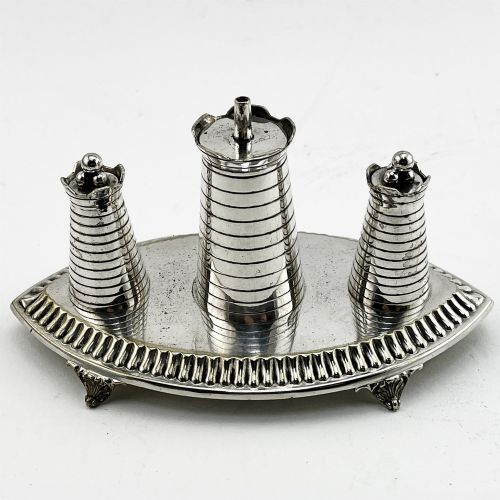
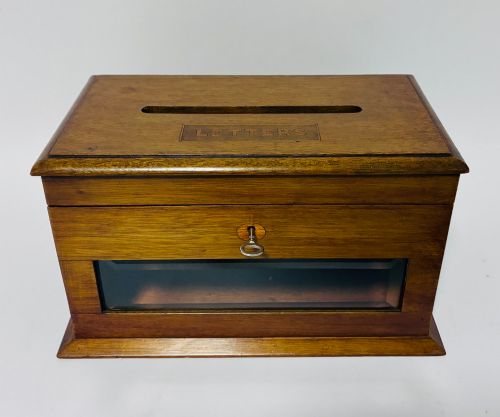
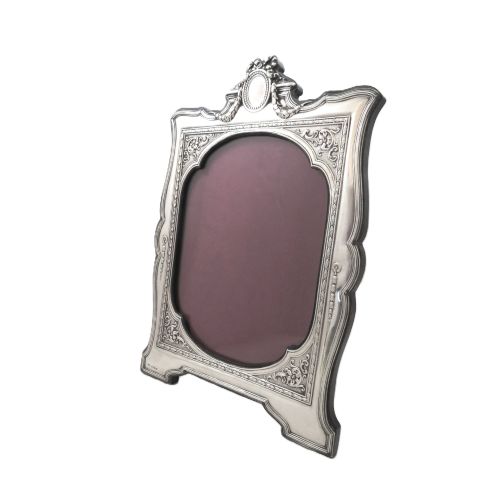
An edwardian tabletop accessory encompasses functional items designed to organise or assist activities on a desk, sideboard, or mantelpiece. The selection ranges from photo frames and letter boxes to smoking cabinets, scientific instruments, and serving dishes.
Buyers will most frequently encounter pieces spanning the Edwardian era and adjacent late nineteenth or early twentieth-century periods. These objects served distinct domestic and professional duties in period interiors, from lighting cigars to magnifying text.
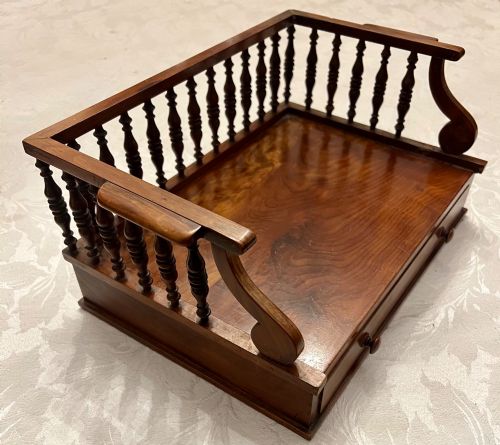
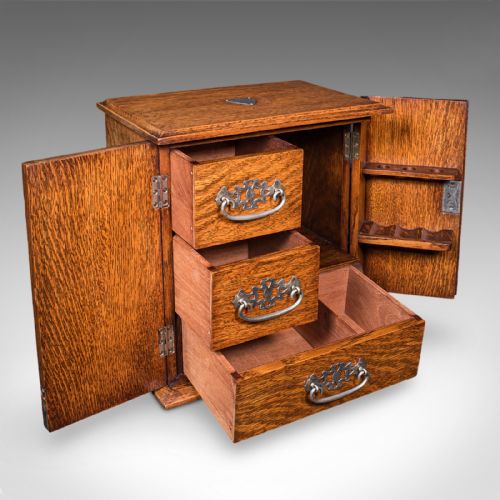
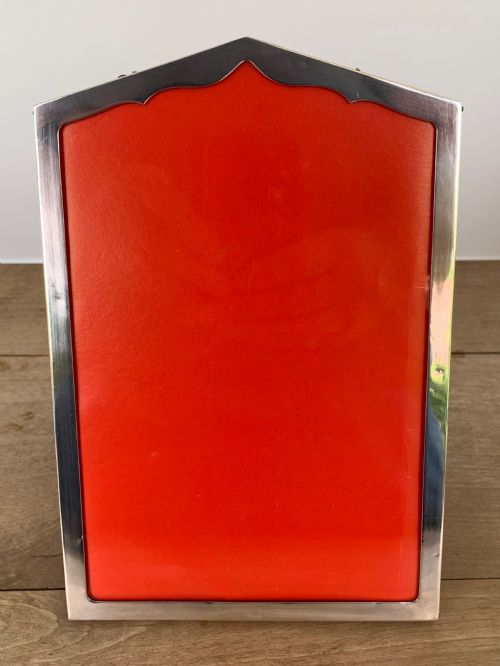
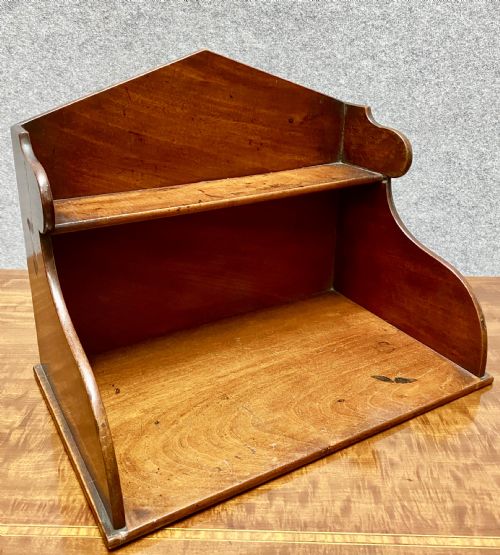
Forms vary from utilitarian wooden book carriers and lazy Susans to decorative silver picture frames and novelty items like brass cannons. Each piece reflects the material tastes and social habits of its time.
How they were made
Maker materials combine sterling silver, silver plate, and brass with dense timbers such as mahogany and yew wood. Glass and cut crystal also appear frequently, particularly in vessels and lemon squeezers.
Metalwork utilises casting and plating techniques to achieve polished finishes on items like telescopes, frames, and lighters. Woodworking traditions involve joinery for desk tidies, book carriers, and letter boxes.
Edwardian Tabletop Accessory Retail Price Guide 2026
Typical asking prices for edwardian tabletop accessory among the pieces listed under this phrase on Sellingantiques today, from the lower quarter to the upper quarter. They describe what is for sale here now, not the wider market.
What varies in quality
Quality separates through the weight and purity of the metals used, alongside the selection of timber grains in wooden items. Solid sterling silver items exhibit clear hallmarks, whereas plated wares depend on the thickness and preservation of the silver layer.
The precision of mechanical elements, such as adjustable telescope mountings, calendar clips, and hinged letter box lids, dictates the standard of manufacture. Finer pieces demonstrate robust construction and careful attention to functional detail.
Deakin & Francis
The Edwardian Tabletop Accessory Glossary
- Sterling Silver
- A silver alloy containing 925 parts of silver per thousand, commonly marked with traditional British hallmarks.
- Silver Plate
- A base metal coated with a thin layer of silver, offering the appearance of solid silver at a different scale of production.
- Lazy Susan
- A rotating tray placed on a table to allow easy sharing of dishes or condiments.
- Desk Tidy
- An organised tabletop container or bookshelf designed to hold correspondence, books, and writing implements.
- Smoking Cabinet
- A small enclosed piece of furniture designed to store pipes, tobacco, and smokers' requisites.
Edwardian Tabletop Accessory: Frequently Asked Questions
What is an edwardian tabletop accessory used for?
These pieces served practical administrative, social, and decorative functions in period homes and offices. They organised correspondence, illuminated cigars, displayed photographs, and aided reading.
Today, they retain their utility while adding historical character to modern interior displays.
How do I care for silver tabletop pieces?
Sterling silver and silver plate require gentle cleaning with appropriate non-abrasive polishes to maintain their lustre. Regular dusting prevents tarnish from settling into intricate details.
Store or display them away from direct moisture and harsh chemicals to preserve the metal surface.
How can I tell the period of a wooden piece?
Dating relies on timber selection, construction methods, and hardware styles characteristic of the late nineteenth and early twentieth centuries. Mahogany and yew wood were widely utilised during these decades.
Examining fixings, joints, and overall design proportions helps distinguish Edwardian items from earlier Victorian examples.
Are scientific instruments accurate?
Tabletop magnifiers, compasses, and telescopes were manufactured as functional items for contemporary library and desk use. Over time, mechanical components may show wear or require careful handling.
While many remain operational, they are primarily valued as decorative historical objects rather than precise modern instruments.