
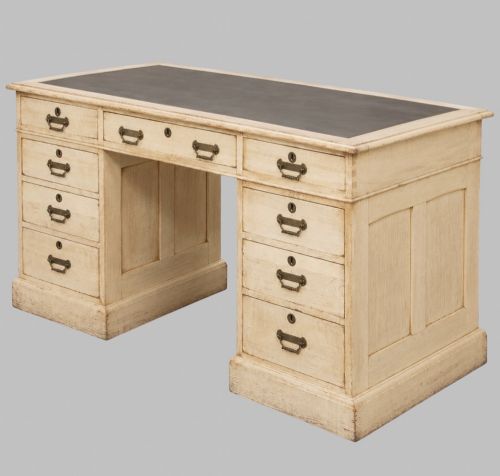
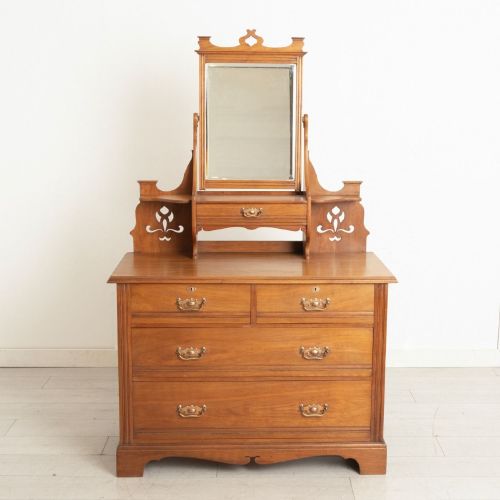
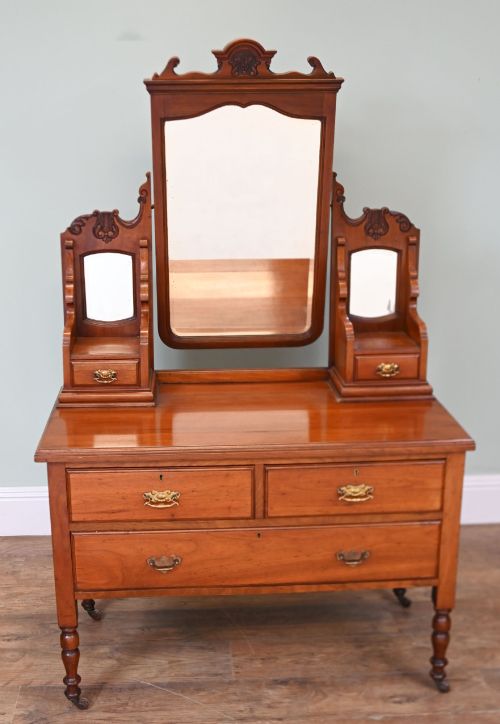
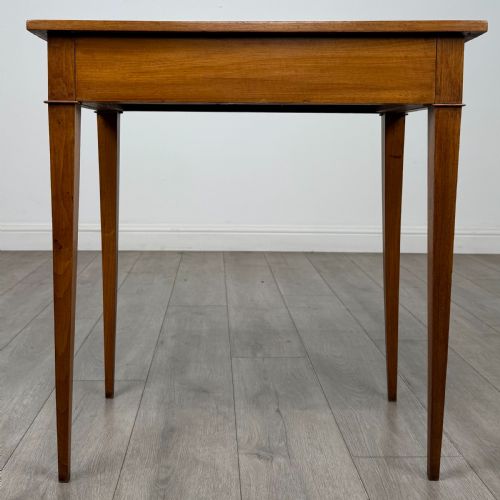
Edwardian Table with Drawers
An edwardian table with drawers brings practical storage and refined timber work together, offering a compact surface for writing or display that suits a modern room.
Edwardian Table with Drawers
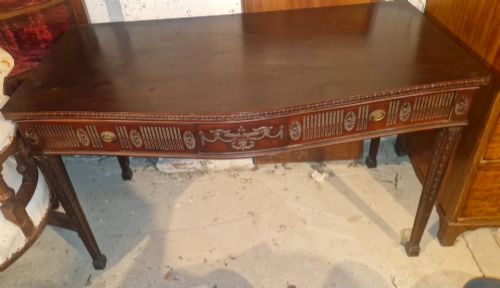
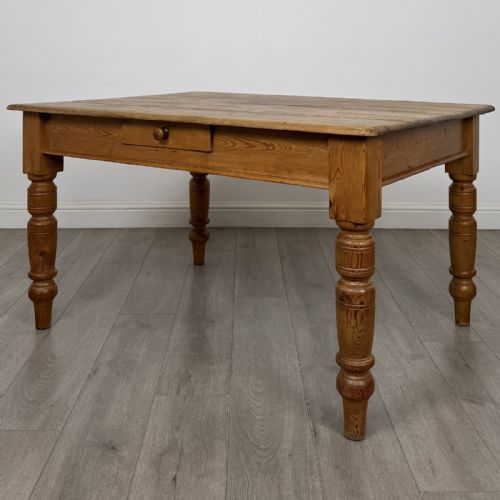
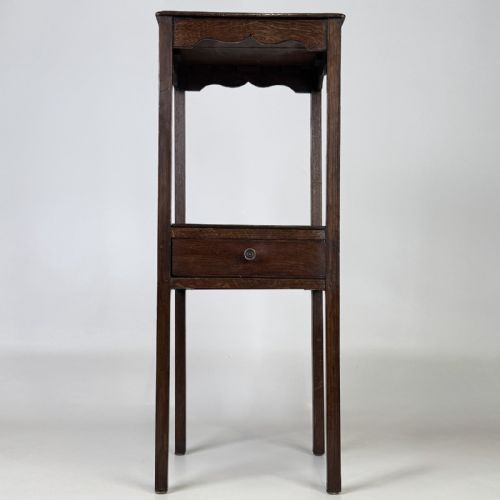
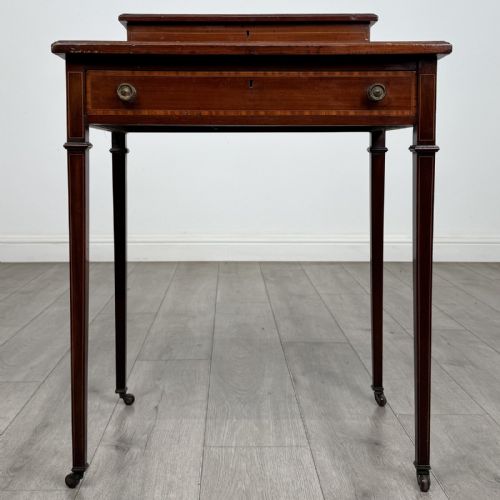
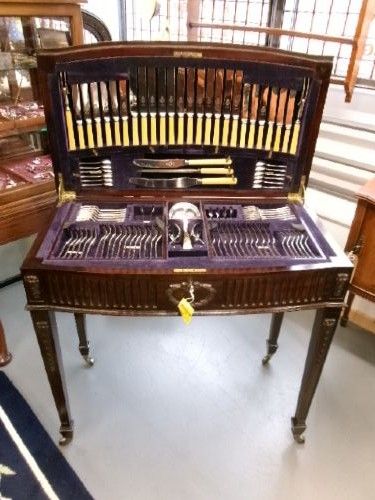
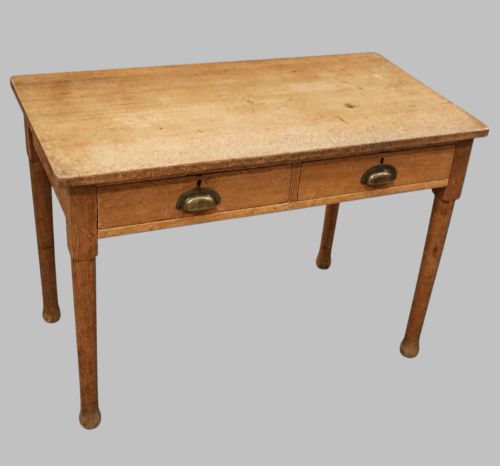
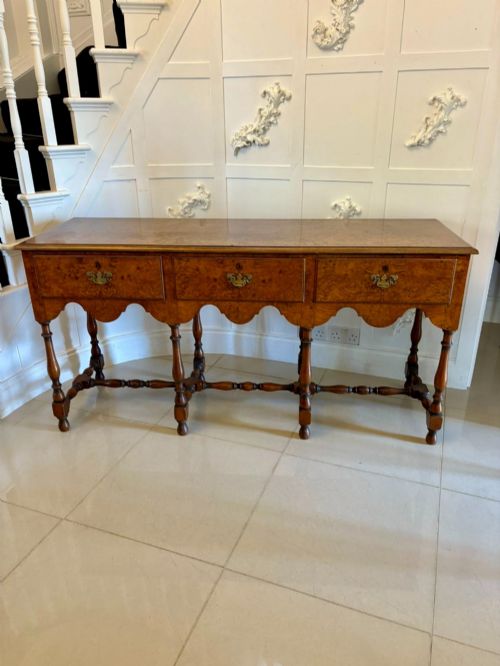
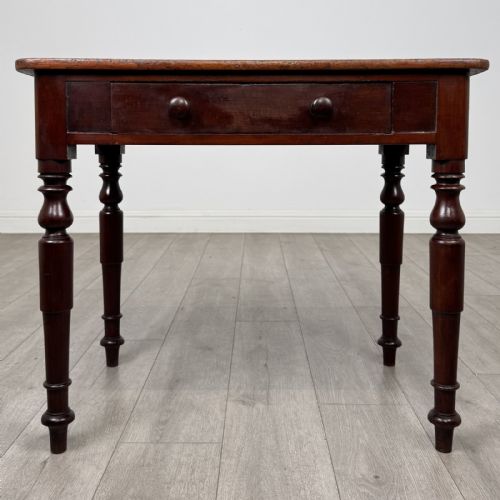
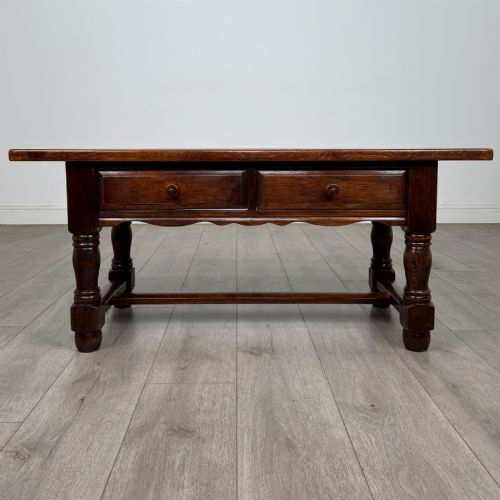
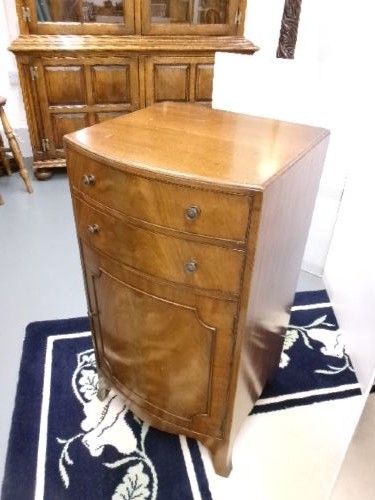
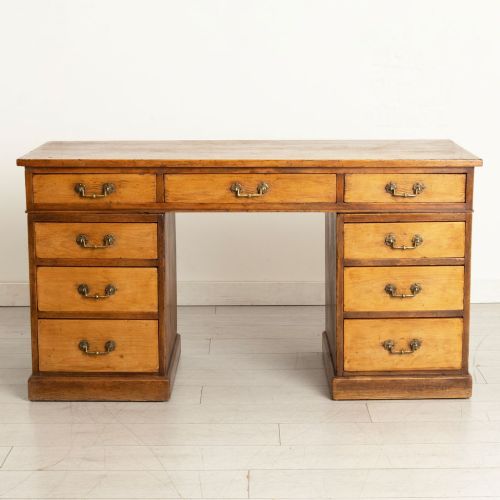
When searching for an edwardian table with drawers, a buyer encounters pieces primarily spanning the Edwardian period alongside late Victorian and early twentieth-century examples. These items appear in various forms, including side tables, writing tables, desks, console tables, and bedside cabinets equipped with functional drawer storage.
Mahogany and oak dominate the selection, often featuring inlay, tapered legs, or carved details characteristic of the era. Side tables and writing desks represent the most common configurations, providing a surface for daily use combined with one or more fitted drawers beneath the top.
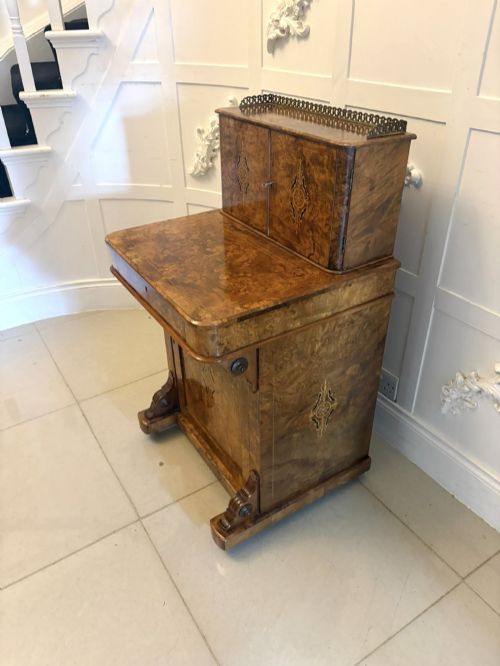
Origins trace across British workshops of the early nineteen-hundreds, capturing both utilitarian domestic furniture and more decorative satinwood or burr walnut designs. The variety reflects the domestic requirements of the period, where small tables served specific functions in hallways, bedrooms, and home offices.
Materials and Construction
Timbers such as mahogany, oak, walnut, and burr walnut form the structural basis of these tables, frequently paired with secondary woods like pine for drawer linings and internal framing. Craftsmanship relies on traditional joinery methods, including dovetail joints for drawer construction and sturdy mortise and tenon frames.
Surface decoration incorporates brass hardware, leather writing inserts, hand-painted details, and contrasting crossbanding in satinwood or rosewood. Legs range from simple tapered styles to bamboo-turned supports or carved pillars, depending on whether the piece follows an Edwardian, Arts and Crafts, or revival aesthetic.
Some tables double as magazine racks or conceal metamorphic writing compartments for covert letter writing.
Distinctions in Standard
Quality separates through the selection of timber veneers and the precision of the cabinet work, particularly in how drawers fit flush within their friezes and glide smoothly on their runners. Superior examples display carefully matched burr walnut or figured mahogany grains and refined inlay work rather than plain secondary timbers.
The integrity of the original hardware, brass pulls, and leather inserts contributes significantly to the standard of a piece. Finer items maintain their structural rigidity without excessive timber shrinkage or replacement components, preserving the balance between decorative appeal and daily utility.
Shapland and Petter·Beresford and Hicks
The Edwardian Table with Drawers Glossary
- Crossbanding
- A decorative border of veneer laid perpendicular to the grain of the main surface. This technique frames the top of a table to create visual contrast.
- Frieze
- The horizontal band situated directly beneath the tabletop. Drawers are frequently housed within this structural section.
- Kneehole
- A recessed central space beneath a desk or dressing table designed to accommodate the user's legs. It is typically flanked by pedestals containing multiple drawers.
- Pedestal
- A structural support column or set of drawers positioned beneath a desk. These units provide substantial storage capacity.
- Satinwood
- A dense, light-coloured tropical hardwood valued for its lustrous sheen. It is frequently utilised for fine inlay and decorative banding on Edwardian furniture.
Edwardian Table with Drawers: Frequently Asked Questions
Where were these tables used originally?
These tables served multiple functions in Edwardian homes, appearing in hallways as console surfaces, in bedrooms as dressing or bedside units, and in parlours as lamp or writing tables.
Their compact proportions allowed them to fit into smaller domestic spaces where dedicated workspace or surface area was required.
How do I distinguish Edwardian from Victorian pieces?
Edwardian furniture generally exhibits lighter construction, brighter timbers like satinwood, and more restrained inlay work compared to earlier Victorian designs.
Victorian pieces tend to use heavier proportions, darker mahogany or burr walnut, and denser ornamentation reflecting mid to late nineteenth-century tastes.
Can I use an antique writing table daily?
These tables handle daily writing and laptop use well, provided the joints remain stable and the top surface receives proper care against moisture.
Leather writing inserts benefit from occasional conditioning, and the drawer runners should be kept clean to ensure smooth operation.
What maintenance do these wooden surfaces need?
Routine dusting with a soft, dry cloth preserves the polished finish of mahogany and oak without building up unnecessary residue.
Avoiding direct sunlight and maintaining stable room humidity protects the timber and delicate veneer crossbanding from splitting or warping.