



Edwardian Suitcase
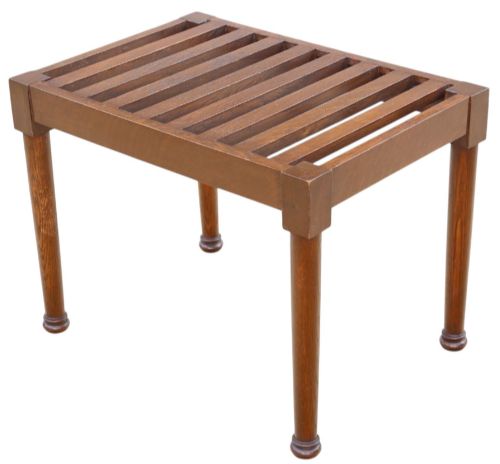
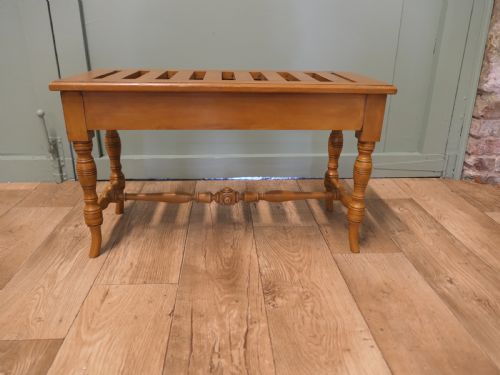
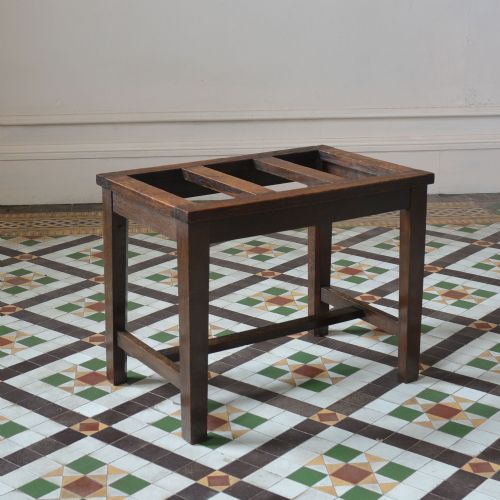
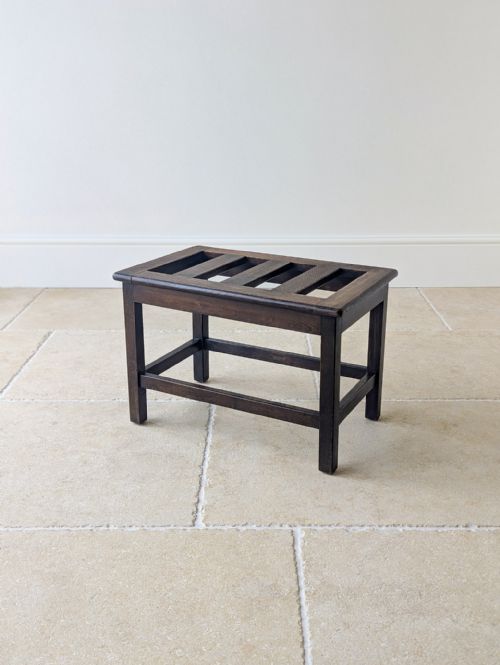
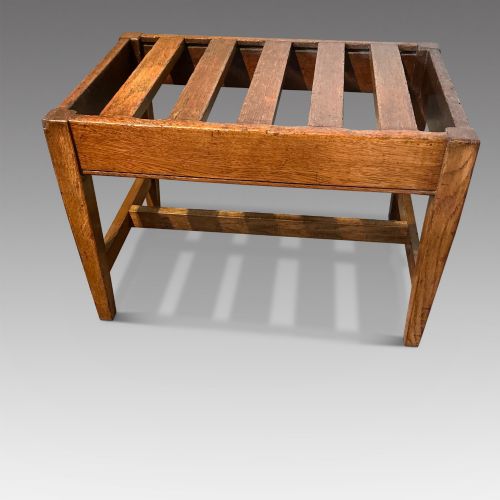
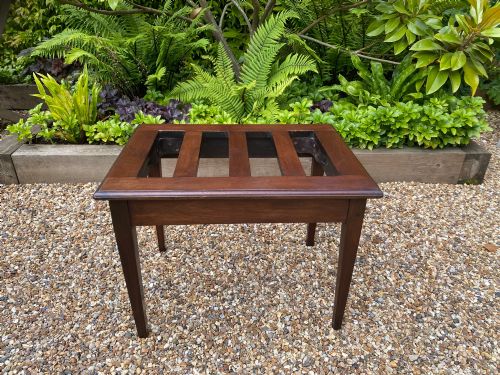
An edwardian suitcase is a sturdy piece of travel baggage or oak luggage stand designed for early twentieth-century journeys.
Edwardian Suitcase
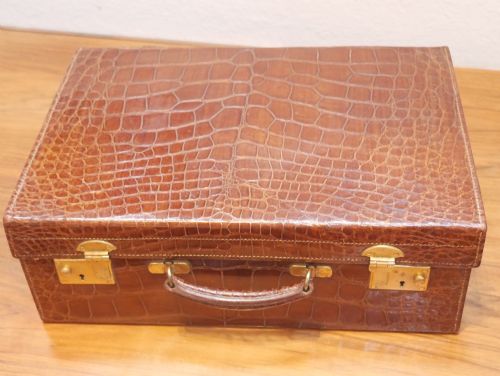
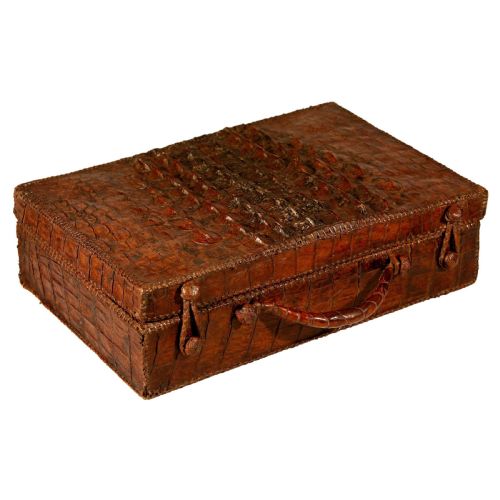
When you search for an edwardian suitcase, you encounter a robust selection of leather cases, trunks, and folding stands spanning the late nineteenth and early twentieth centuries. The pieces range from simple oak luggage racks to fitted leather gentleman's travel cases.
You are most likely to meet oak and mahogany luggage stands alongside leather suitcases and steamer trunks originating from the Edwardian period and the 1920s. These items served guests in grand hotels or country houses and now function as practical storage or display furniture in modern homes.
Materials and construction methods
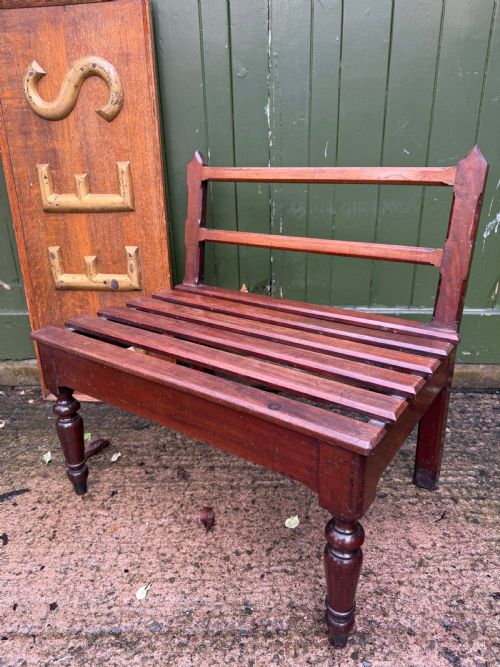
Makers utilised solid timbers such as oak, ash, and mahogany to build sturdy folding luggage stands and deep country-house racks. Brass hardware, iron supports, and carved details frequently complete these wooden frames.
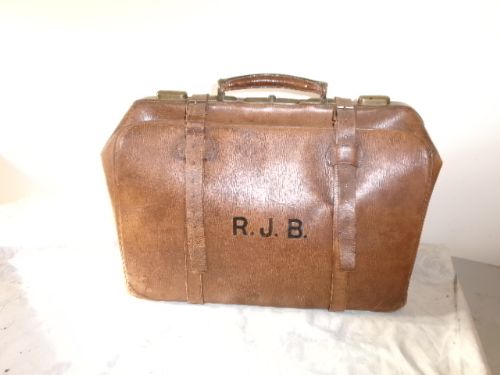
Travel luggage and suitcases relied on thick leather, canvas, and vellum bindings stitched over rigid internal structures. Fitted interiors often incorporated specialised compartments for gentleman's valets, vanity items, or picnic sets.
Edwardian Suitcase Retail Price Guide 2026
Typical asking prices for edwardian suitcase among the pieces listed under this phrase on Sellingantiques today, from the lower quarter to the upper quarter. They describe what is for sale here now, not the wider market.
Listings feature oak, mahogany, ash, and painted pine alongside brass and iron hardware.
Distinctions in construction and provenance
The standard of a piece rests on the integrity of its timber frame, the thickness of its leather, and the completeness of any internal fittings. Pieces with original brass mounts and untouched travel labels carry more historical character.
Simpler utility items contrast with substantial country-house stands featuring raised rears or finely carved woodwork. Superior examples often bear the stamp of notable makers or West End establishments.
Finnigan's Manchester·John Pound·Harrods·Waring & Gillow
The Edwardian Suitcase Glossary
- Luggage stand
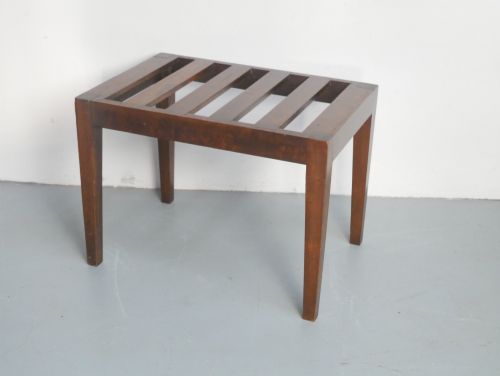
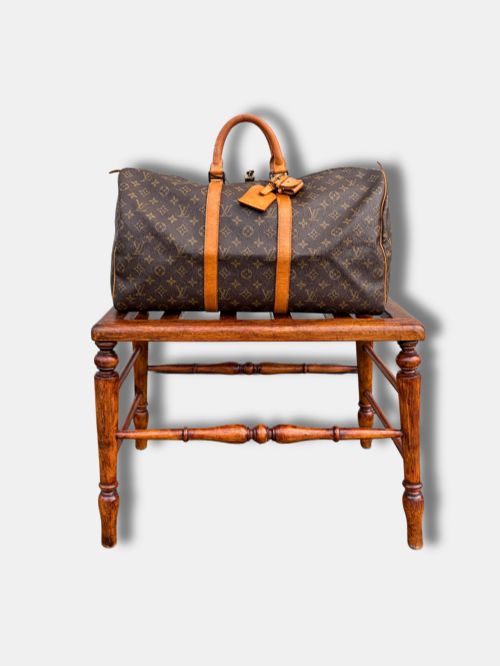
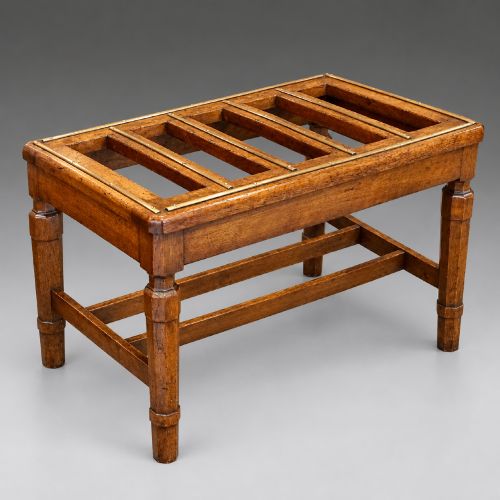
- A folding wooden rack designed to hold a suitcase off the floor in a bedroom. These stands typically feature webbed straps or slatted tops.
- Steamer trunk
- A large, durable travel chest built low enough to fit beneath a steamship cabin berth. They often feature reinforced leather and metal banding.
- Gladstone bag
- A light portmanteau formed of a stiffened leather body that opens wide into two equal compartments. It relies on a framed mouth with a clasp closure.
- Vellum
- A fine parchment material prepared from calfskin and used to cover high-grade travel cases. It offers a smooth surface that takes travel labels well.
- Upstand
- A raised and raked rear support on a luggage stand that prevents baggage from sliding backward. It is frequently seen on deep country-house examples.
Edwardian Suitcase: Frequently Asked Questions
What is an edwardian suitcase used for today?
These vintage cases serve as decorative storage chests for blankets, clothes, or household items in living spaces and bedrooms.
Suitcases and trunks also function as distinctive coffee tables or shop display pieces.
How do I identify an edwardian luggage stand?
Look for solid oak or mahogany frames utilising traditional joinery and folding mechanisms. Many feature slatted tops rather than modern webbing.
Edwardian examples often date from around 1900 to 1910 and reflect Arts and Crafts or country house design influences.
What materials make up these travel cases?
The exterior construction relies heavily on thick brown leather, canvas, vellum, and exotic skins such as crocodile. Internal compartments utilise fitted wood and fabric linings.
Hardware components incorporate brass locks, metal corners, and iron framing for structural support.
Why do some trunks have travel labels?
Original shipping labels and hotel stickers document the actual journeys taken by the luggage across railways and steamships. These historical markers add unique character and provenance to the piece.
Collectors value trunks that retain a well-travelled appearance with authentic period documentation.