




Edwardian Style Oak Mirror
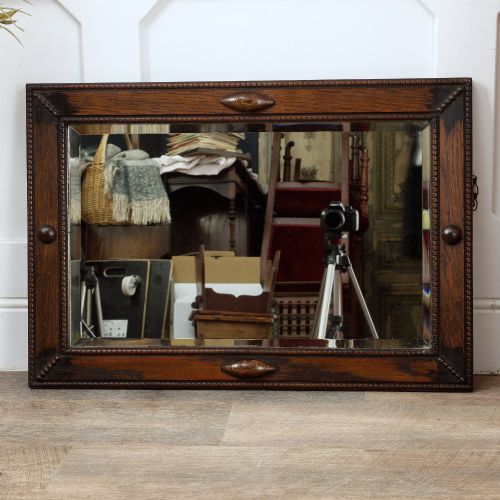
These edwardian style oak mirror examples bring solid timber frames and clear glass into domestic spaces, offering both practical reflection and period character.
Edwardian Style Oak Mirror
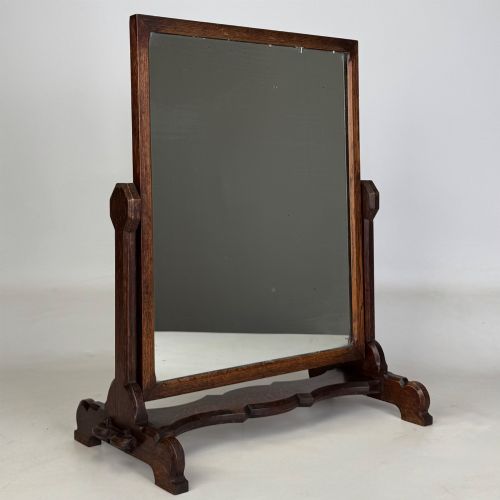
An edwardian style oak mirror appears primarily as wall mirrors, overmantel mirrors, and dressing mirrors within the current selection. These pieces span the Edwardian period, 1900, 1910, and stretch back into the late 19th century.
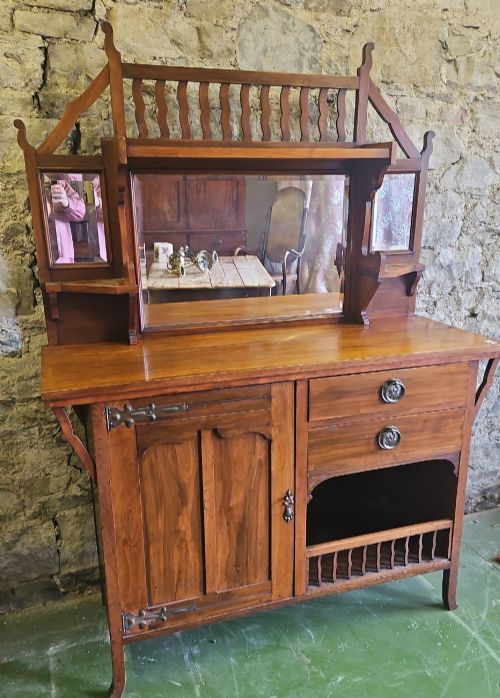
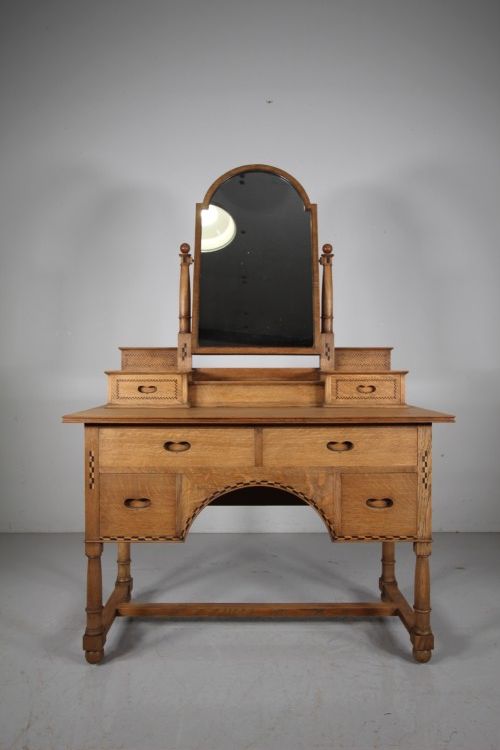
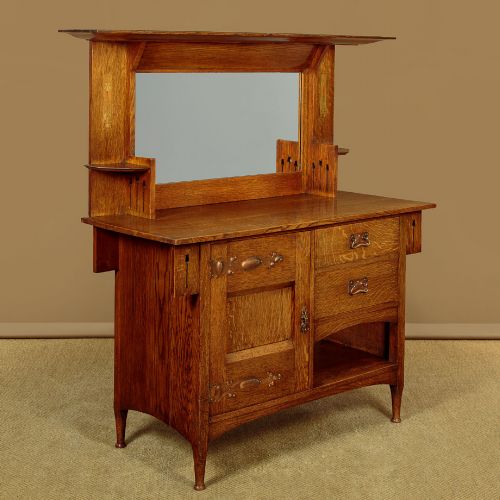
Buyers also encounter related forms in the listings, including sideboards, dressers, hall stands, and dressing chests that incorporate timber framing. The aesthetic draws heavily from Arts and Crafts influences alongside occasional Moorish, Rococo, and Jacobean revivals.
Most items on this page align with the Edwardian era and turn of the century, presenting sturdy wood construction suited to hallways, bedrooms, and living spaces.
How They Were Made
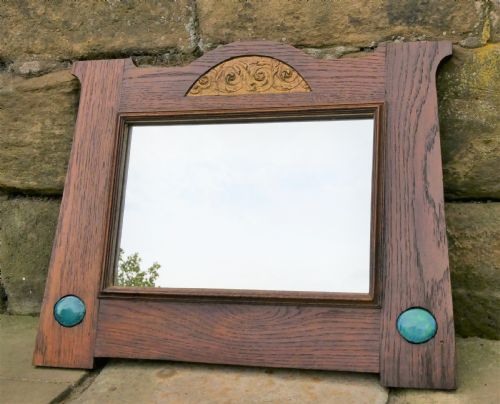
Maker construction relies on oak as the primary timber, often complemented by glass mirror plates and fitted hardware in brass, copper, and iron. Artisans also integrated wood inlay, ceramic elements, and gesso to embellish the wooden frames.
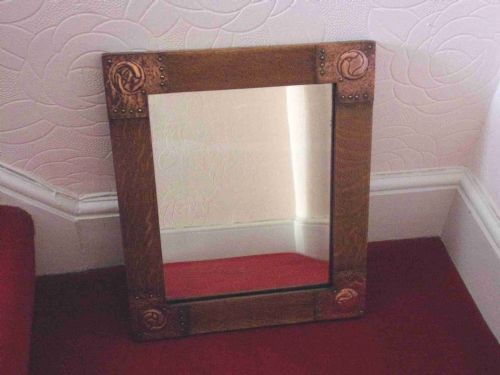
The fabrication techniques span carved cushion frames, parcel-gilt details, and applied metalwork featuring motifs such as Celtic knots. These methods combine structural joinery with surface decoration characteristic of the Arts and Crafts movement.
Gypsy style painted mirrors bring a vibrant, unconventional splash of colour to traditional timber interiors.
What Varies in Quality
The standard of an edwardian style oak mirror rests on the depth of the timber carving and the execution of applied metal elements like copper and brass decorations. Hand-wrought detailing and well-balanced proportions distinguish finer examples from standard production pieces.
Materials and secondary elements also influence the overall character, such as the clarity of the mirror glass and the integration of specialised framing techniques like gesso or parcel-gilt. Pieces associated with named designers or distinct stylistic movements display a higher degree of artisan finish.
George Walton·Liberty and Co·Heals
The Edwardian Style Oak Mirror Glossary
- Overmantel mirror
- A large mirror designed to hang or stand specifically on the mantelpiece above a fireplace. These frequently feature architectural frames or arched tops.
- Cushion frame
- A framing style where the wooden border swells outward in a rounded profile, giving a padded appearance. This form creates a strong sense of depth around the glass.
- Gesso
- A plaster-like material applied to wooden surfaces to form a smooth base for gilding or painting. It allows for intricate moulded relief work on the frame.
- Parcel-gilt
- A decorative treatment where only specific portions of an object are covered in gold leaf. This technique highlights carved details against the natural oak timber.
- Arts and Crafts
- A design movement emphasising handcraftsmanship, simple forms, and local materials. It values honest construction and vernacular styles over mass production.
Edwardian Style Oak Mirror: Frequently Asked Questions
Where should I hang an oak wall mirror?
An edwardian style oak mirror suits entrance halls, living rooms, and bedrooms where natural light benefits from reflection. Wall mirrors and overmantel pieces anchor a room visually while opening up the space.
Ensure the wall fixings support the weight of solid timber frames and heavy glass. Positioning the mirror opposite a window maximises light distribution across the interior.
How do I identify an Edwardian mirror?
Edwardian mirrors typically feature oak framing with simple geometric lines, subtle carving, or Arts and Crafts metal accents in copper and brass. The construction reflects utility combined with decorative restraint characteristic of the early twentieth century.
Compare the timber finish and hardware against late Victorian examples, which often display heavier proportions and more ornate revival detailing.
What is an overmantel mirror used for?
An overmantel mirror sits above a fireplace to reflect light and complete the hearth arrangement. These pieces were central to period interior decoration, often mirroring the architectural lines of the mantel below.
They function well in principal reception rooms to create a focal point and add vertical scale to the chimney breast.
How do I care for antique oak frames?
Maintain antique oak frames by dusting regularly with a dry cloth and keeping them away from direct heat sources and strong sunlight. Avoid silicone-based sprays that can build up on the wood finish over time.
Glass cleaner should be applied sparingly to a cloth rather than sprayed directly onto the mirror, protecting both the wooden rebate and old silvering on the glass plate.
What is an Arts and Crafts mirror?
An Arts and Crafts mirror showcases honest construction, visible joinery, and handmade metalwork such as hammered copper straps or brass hinges. The design prioritises craftsmanship over factory-produced ornament.
These pieces often feature organic motifs, Celtic knotwork, or plain oak surfaces that highlight the natural grain of the timber.