
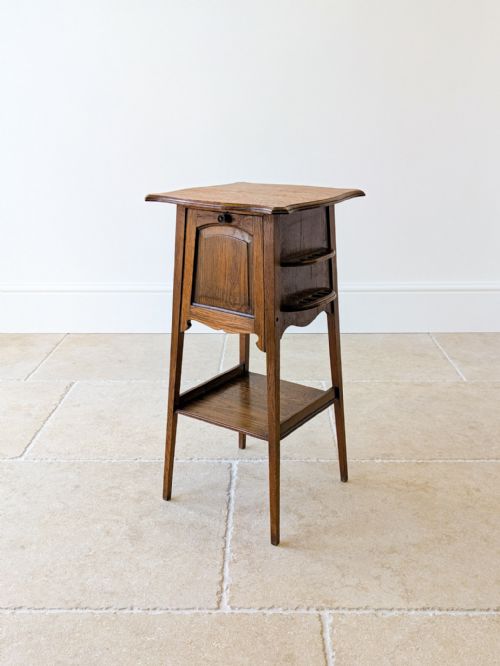
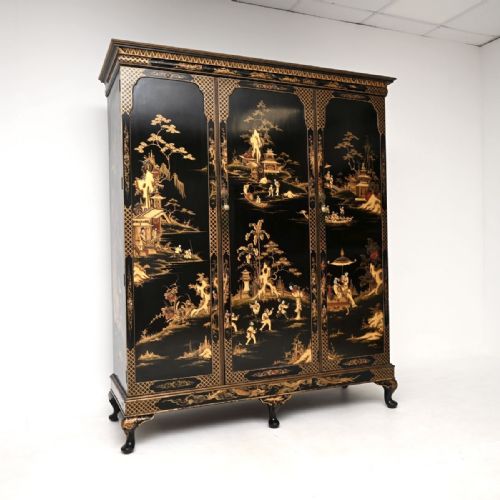
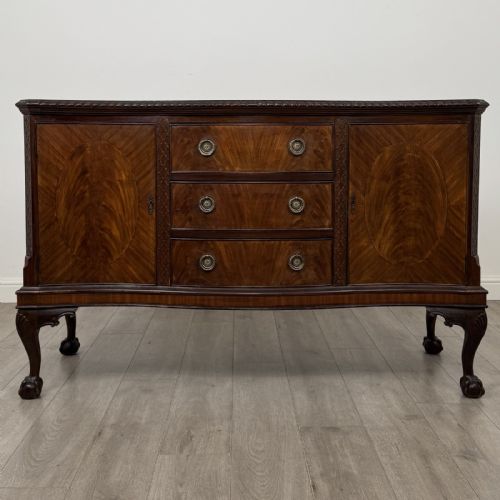
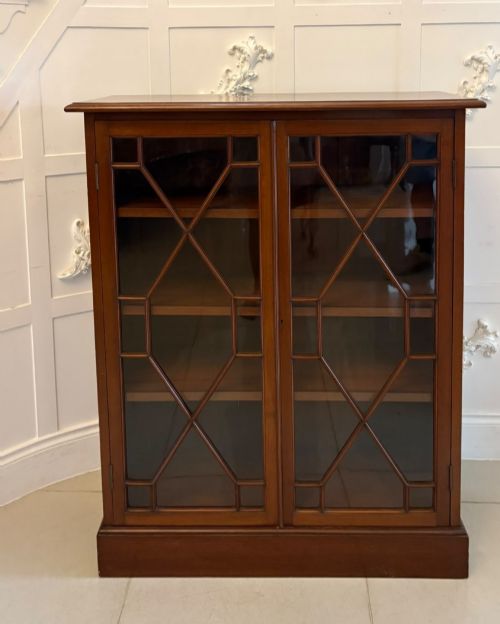
Edwardian Style Cupboard
These edwardian style cupboard pieces offer practical storage and period character, bringing traditional craftsmanship and timber tones into modern rooms.
Edwardian Style Cupboard
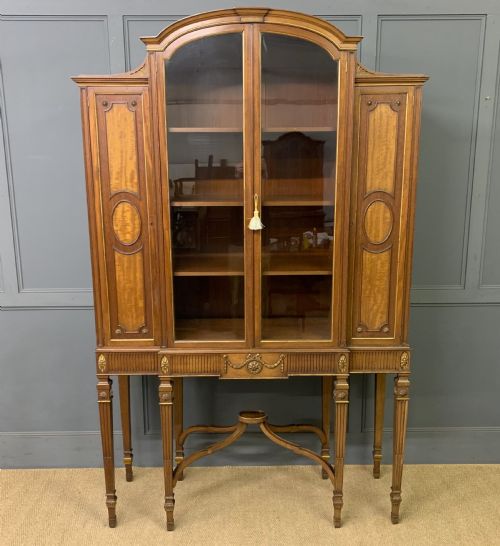
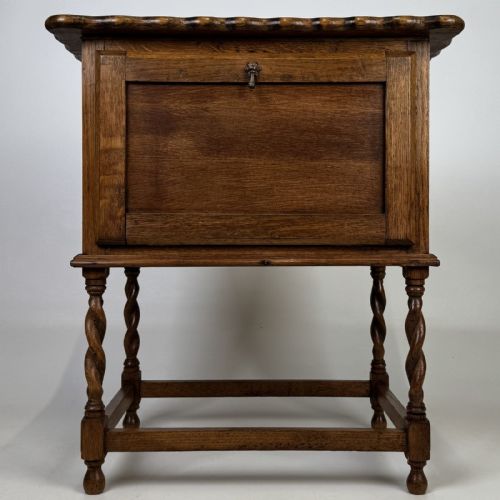
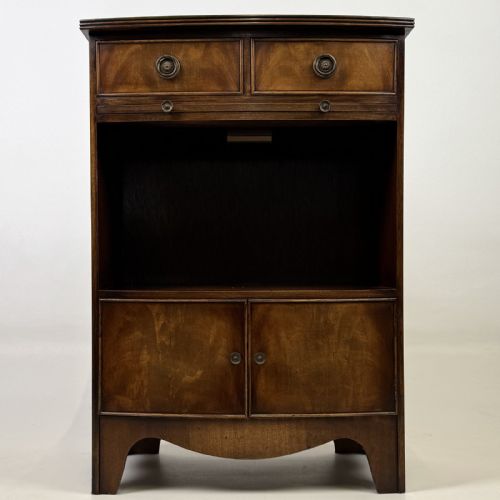
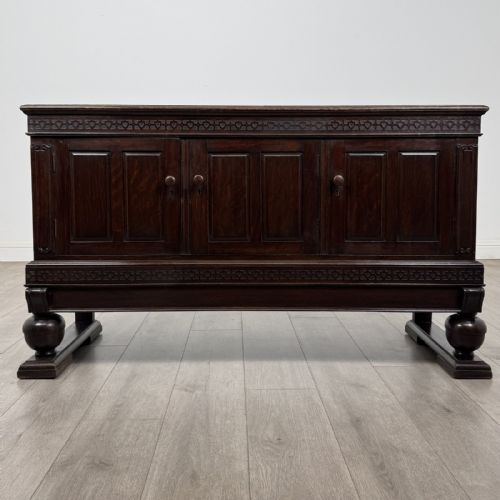
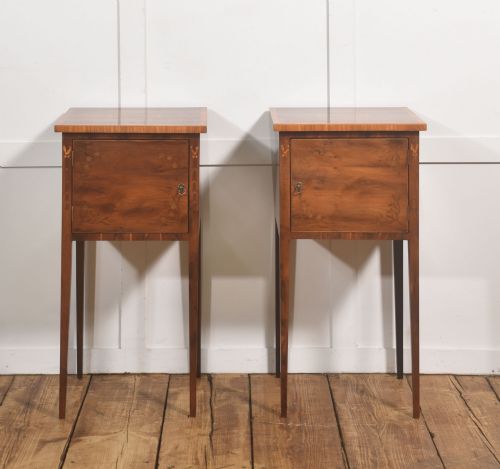
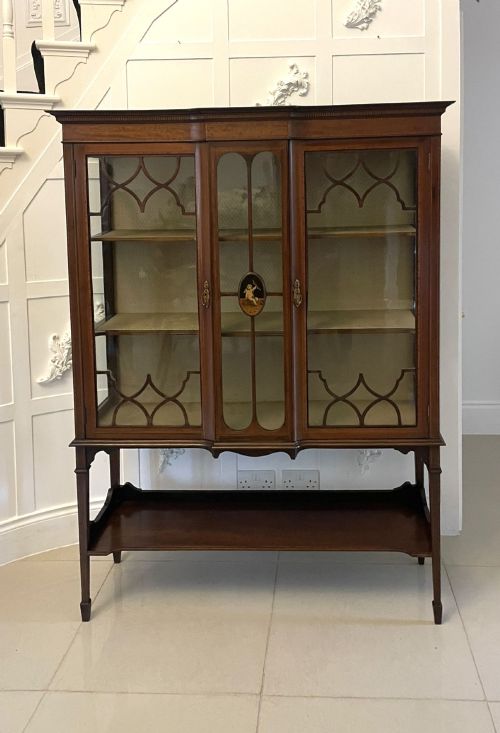
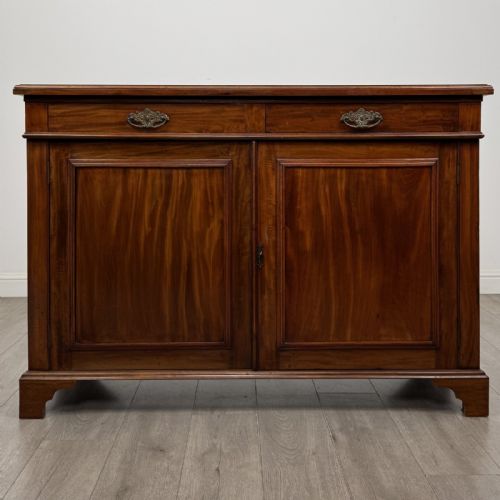
An edwardian style cupboard covers a broad selection of storage furniture, including display cabinets, sideboards, wardrobes, and bedside tables. The pieces span periods from the late nineteenth century through the early twentieth century, reflecting both Edwardian and Victorian influences.
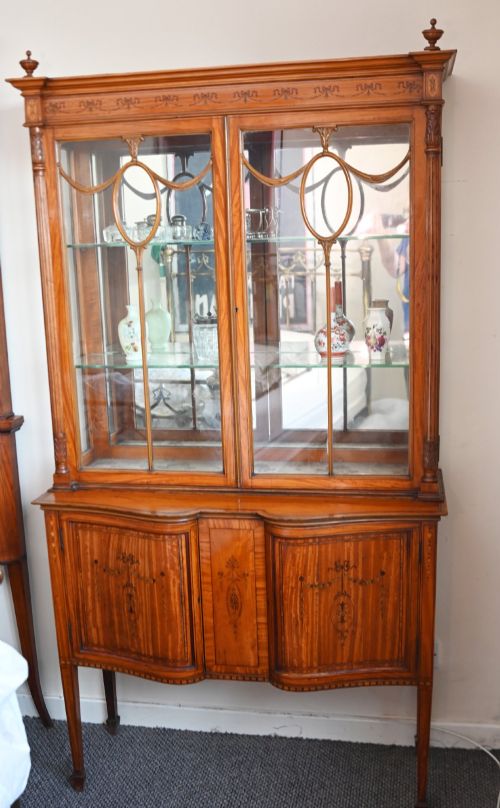
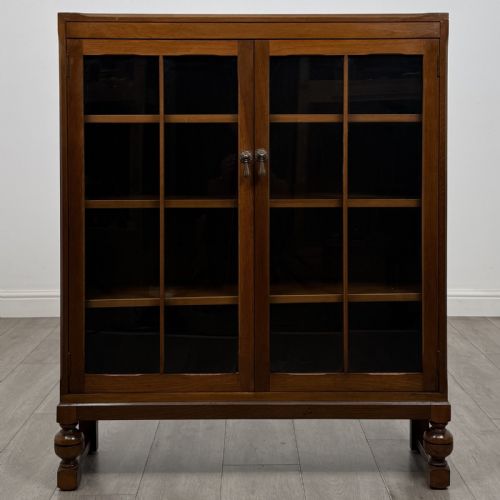
Buyers frequently encounter variations like mahogany display cabinets, oak bookcases, and satinwood bedside units. Revival aesthetics such as Sheraton, Chippendale, and Arts and Crafts shape many of the forms available on the market.
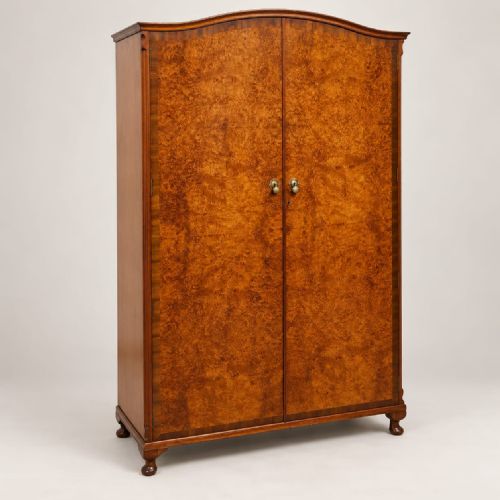
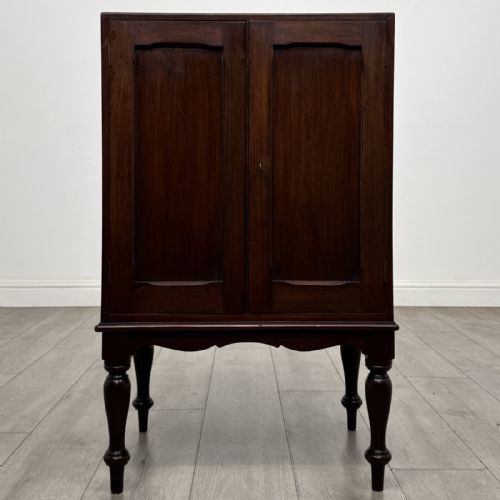
Makers and designers from the era produced specialised items ranging from music cabinets to compactum wardrobes and corner units. These diverse forms share a reliance on solid timber frames and glazed or panelled doors.
How they were made
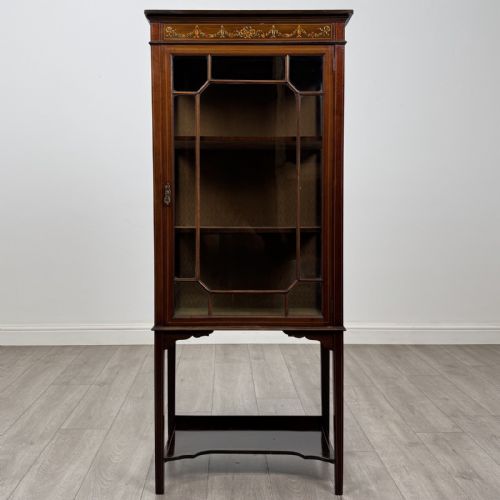
Cabinet makers utilised dense hardwoods including mahogany, oak, walnut, and satinwood, frequently applying marquetry inlay or brass hardware for surface enrichment. Glass panels feature in display variations, while fabric sometimes lines interior compartments or backing boards.
Construction techniques combine traditional joinery with period revival decorative motifs like astragal glazing bars and carved mouldings. Lacquer and fine polish enhance the natural grain of the timbers used across the various forms.
Early twentieth-century makers even constructed specialised cabinets just to hold sheet music.
What varies in quality
Quality rests on the selection of timber figures, such as curl mahogany or burr walnut, and the precision of inlaid marquetry work. Subtleties in hand-carved detailing and the original integrity of brass fittings elevate specific examples above standard production pieces.
The balance of proportions and the refinement of revival styles, whether Sheraton or Arts and Crafts, distinguish workshop pieces from more utilitarian furniture of the period.
JS Henry·Maples and Co
The Edwardian Style Cupboard Glossary
- Astragal glazing
- Wooden bars holding small panes of glass within a cabinet door. These delicate divisions are typical of refined display furniture.
- Marquetry
- Decorative patterns formed by fitting contrasting veneer pieces onto a timber surface. This technique creates elaborate floral or geometric designs.
- Compactum
- A multi-functional wardrobe combining hanging space with internal drawers and shelves. It offers comprehensive storage within a single footprint.
- Sheraton Revival
- A late nineteenth and early twentieth century design movement inspired by eighteenth century neoclassical furniture. It employs light timbers and symmetrical inlay.
- Curl mahogany
- Timber cut from the fork of the mahogany tree where branches meet the trunk. This produces a distinctive feathery grain pattern highly prized by cabinet makers.
Edwardian Style Cupboard: Frequently Asked Questions
What is an edwardian style cupboard?
An edwardian style cupboard encompasses a range of wooden storage items produced around the turn of the twentieth century, often drawing on earlier Georgian or Victorian design motifs. These pieces include bedside cabinets, display units, and sideboards.
They serve practical household storage needs while exhibiting traditional cabinet-making skills through timber selection, glazing, and inlay work.
How were these cupboards used?
Original owners utilised these cabinets for diverse domestic purposes, from displaying china and books to storing clothing and bedside essentials. Different forms corresponded to specific rooms, such as music cabinets for parlours and wardrobes for bedrooms.
Today, they continue to function as versatile storage solutions that integrate traditional timber aesthetics into contemporary living spaces.
How do I care for antique timber?
Preserving these pieces involves keeping them away from direct heat sources and strong sunlight, which can dry out timber and fade polished surfaces. Regular dusting with a soft cloth maintains the finish without needing harsh chemical polishes.
Applying occasional specialist wax helps nourish woods like mahogany and oak, protecting the grain and maintaining the lustre of the original polish.
How do I identify revival styles?
Revival pieces copy design elements from specific historical eras, such as Sheraton Revival using light satinwood inlay or Chippendale Revival featuring ornate carved mahogany. Examining the timber characteristics and construction methods helps separate these revival pieces from genuine antique originals.
Consulting period catalogues and maker labels further clarifies whether a piece is an Edwardian interpretation of an older style.