
Edwardian Style Cabinet
An edwardian style cabinet brings refined storage and display into a room, spanning glazed bookcases, sideboards, and bijouterie tables crafted in mahogany, satinwood, and oak.
Edwardian Style Cabinet
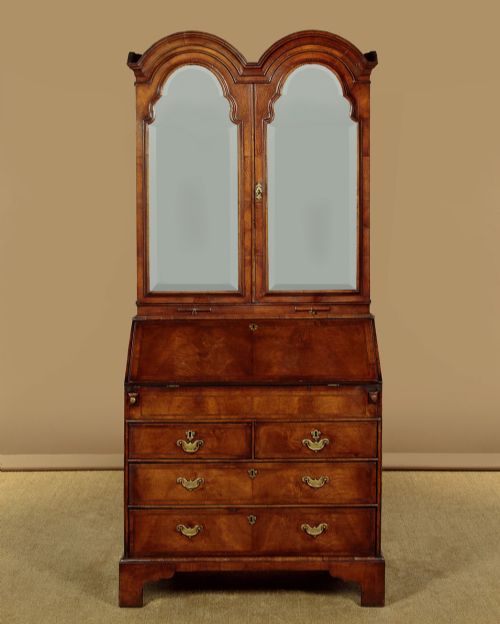
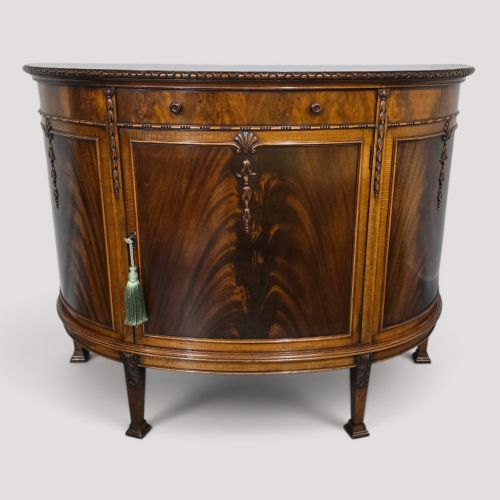
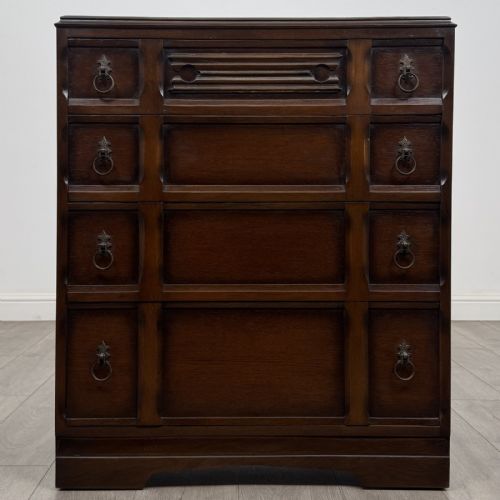
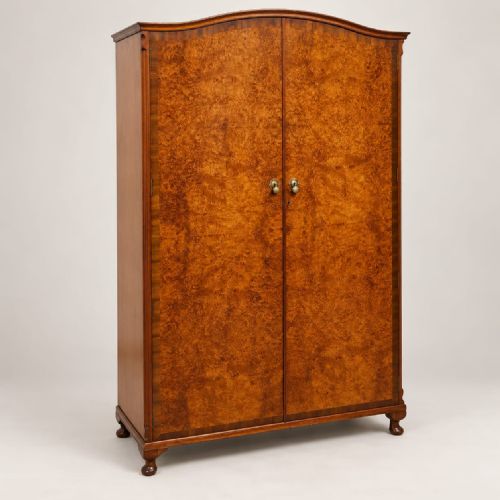
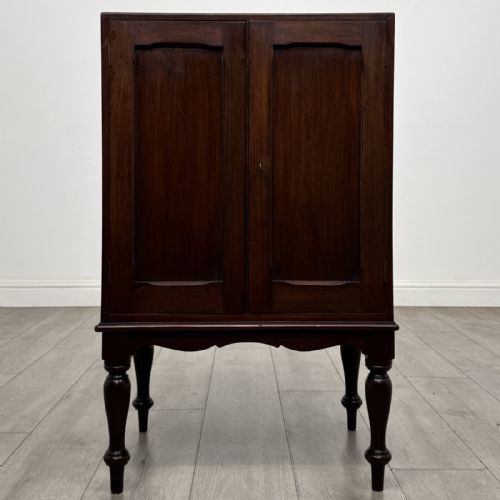
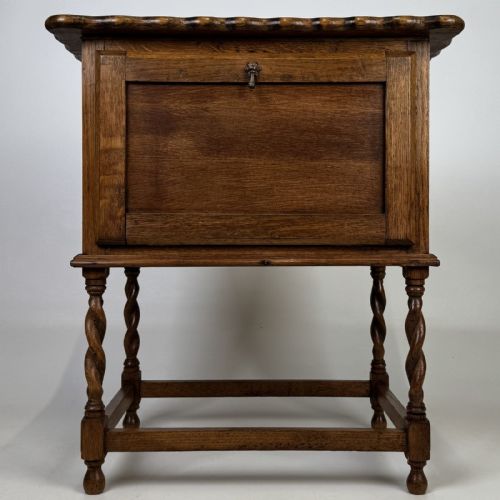
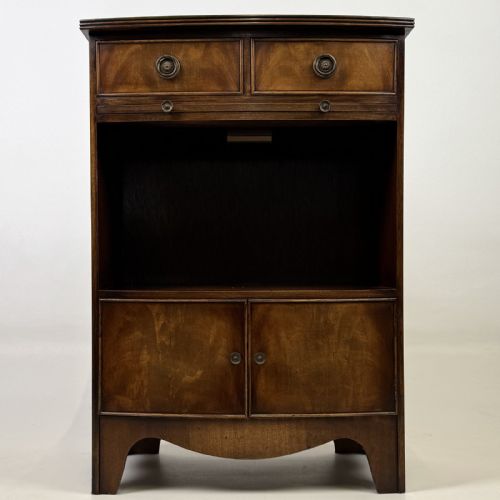
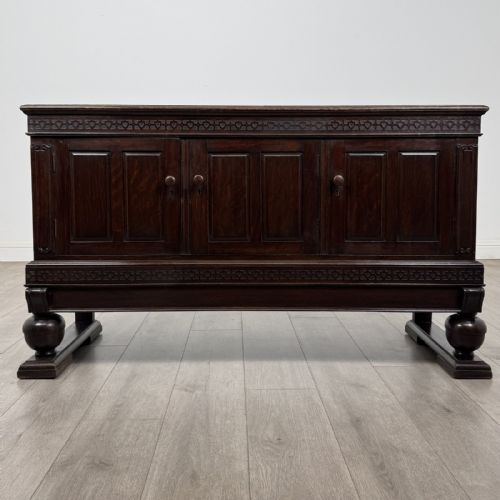
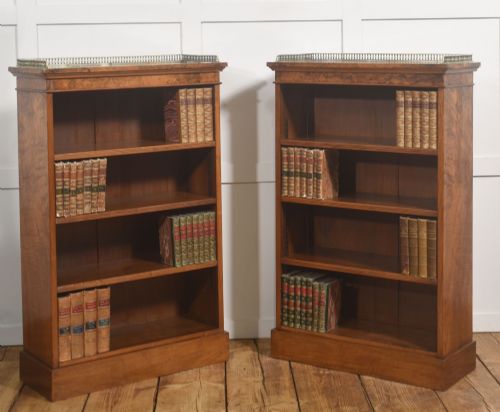
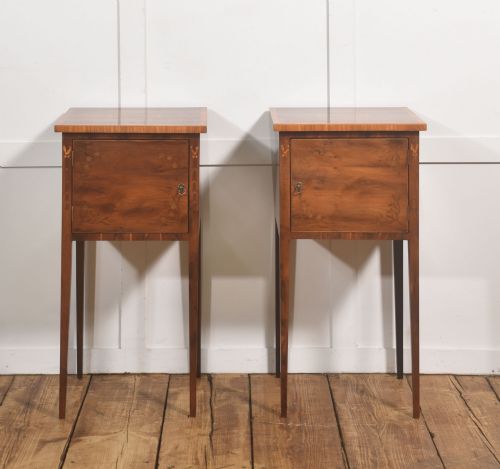
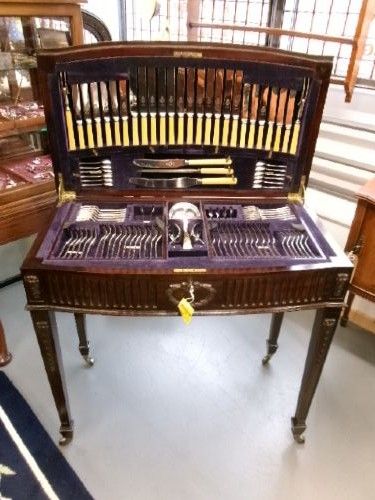
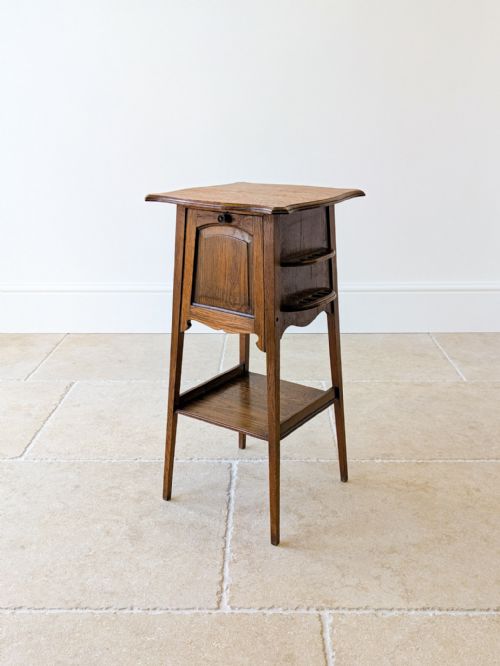
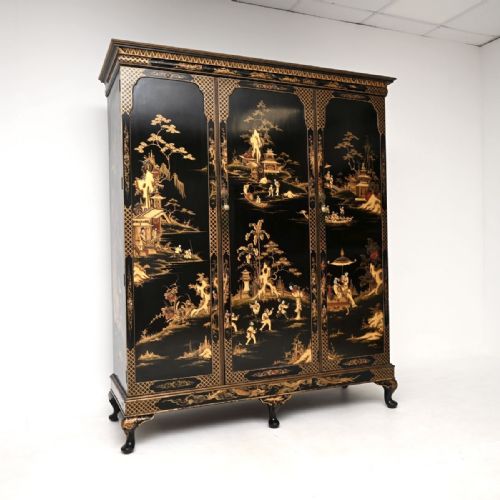
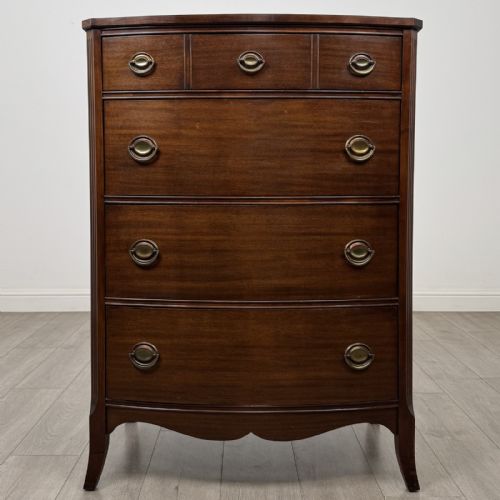
An edwardian style cabinet encompasses a variety of storage and display forms, including glazed display cabinets, bookcases, sideboards, tallboys, and bedside cupboards. Pieces frequently adopt earlier revivals such as Sheraton, Chippendale, and Queen Anne styles, reflecting the eclectic tastes of the period.
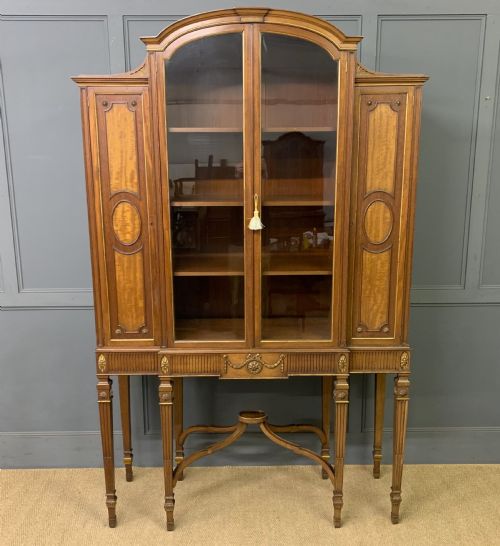
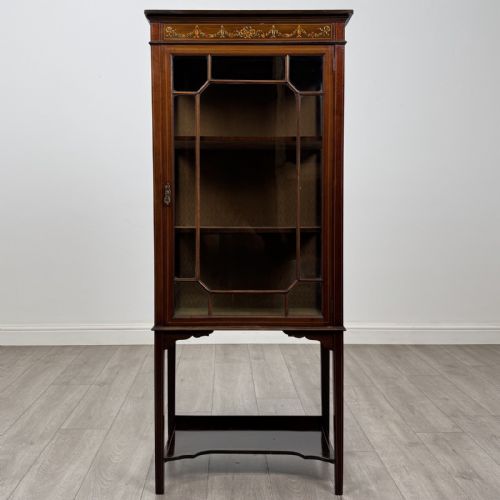
The version most commonly met on this page is the glazed display cabinet or vitrine, often constructed in mahogany or satinwood with delicate inlay. These pieces combine practical storage with visual lightness, designed to showcase collections or books within domestic interiors.
How they were made
Cabinet makers utilised solid timbers and selected veneers such as mahogany, satinwood, walnut, and oak, frequently embellished with intricate wood inlays and stringing. Structural elements incorporated brass hardware, glass panels for doors and sides, and occasionally iron fittings or brass castors.
Construction techniques balanced traditional joinery with decorative painting and carved details. Glazed doors often featured wooden or astragal framing, while surfaces received polished finishes that highlighted the natural grain and colour of the wood.
Several cabinets double as music storage, keeping sheet tunes neatly tucked beneath glass and polished wood.
What varies in quality
The standard of a piece is determined by the selection of timber figures, such as burr walnut or figured mahogany, and the precision of the inlay work. Finer examples display meticulous hand-carved detailing and well-balanced proportions rather than mass-produced uniformity.
Internal construction, including the quality of drawer linings, original glass, and integrated brass fittings, distinguishes superior cabinet making. Pieces retaining original painted decoration or distinctive revival styling command greater appreciation.
GM Elwood for JS Henry·Ambrose Heal for Heal & Son·Edwards and Roberts
The Edwardian Style Cabinet Glossary
- Astral glazed
- Glass panels held within a wooden framework of delicate bars, commonly seen on bookcase and display cabinet doors.
- Bijouterie table
- A glass-topped display table designed specifically for showcasing small precious objects, medals, or curiosities.
- Breakfront
- A piece of furniture where the central section projects forward from the flanking sections, creating architectural depth.
- Compactum
- A large fitted wardrobe combining hanging space, drawers, and shelving within a single multi-functional unit.
- Serpentine
- A curved shape featuring a convex centre flanked by concave curves, creating a fluid undulating front edge.
Edwardian Style Cabinet: Frequently Asked Questions
What is an edwardian style cabinet?
An edwardian style cabinet is a piece of furniture made during the early twentieth century or later that reflects design revivals of the eighteenth and nineteenth centuries. These cabinets serve as display cases, bookcases, and sideboards.
They combine historical decorative motifs with the practical storage needs of Edwardian homes, utilising woods like mahogany and satinwood.
How were these cabinets used?
These cabinets were primarily utilised in drawing rooms, libraries, and dining rooms to display porcelain, silver, and collections of books. Smaller tables and bedside cabinets served specific domestic functions in bedrooms and reception rooms.
Their glass doors and illuminated interiors allowed owners to exhibit prized possessions while protecting them from dust.
How do I live with one?
Living with an edwardian style cabinet involves placing it away from direct sunlight and heat sources to protect the polished wood and delicate veneers. Regular dusting with a soft cloth maintains the finish of the timber.
They pair well with both traditional and contemporary interiors, acting as focal points for displaying books or ceramics.