




Edwardian Style Brooch
These pieces sold as an edwardian style brooch span decades from the Victorian era to the mid twentieth century, offering intricate metalwork and stones.
Edwardian Style Brooch
Buyers searching for an edwardian style brooch encounter a varied selection of antique pins and brooches spanning multiple decades. The evidence shows pieces originating from the Edwardian period alongside items dated to the Victorian era, 1910, 1920, 1930, 1940, and 1950.
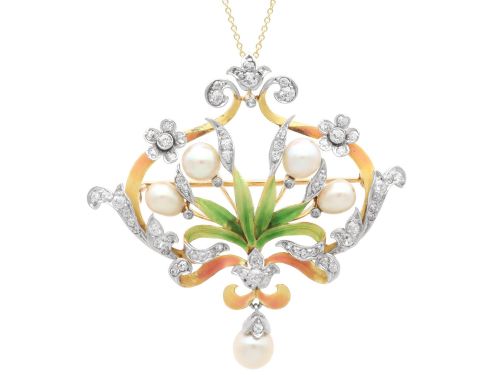
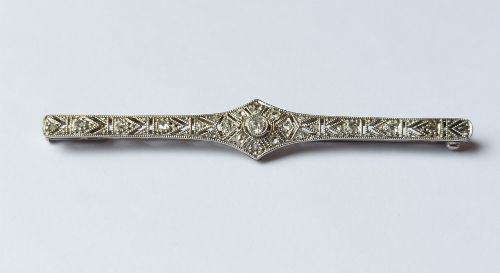
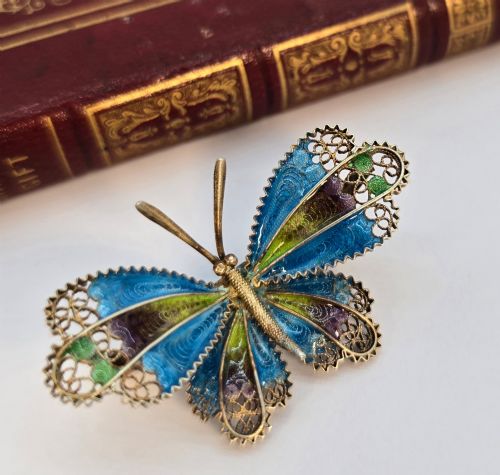
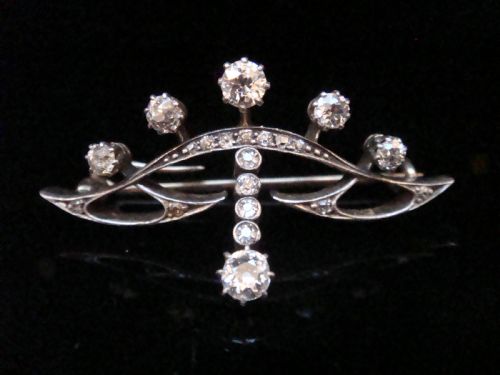
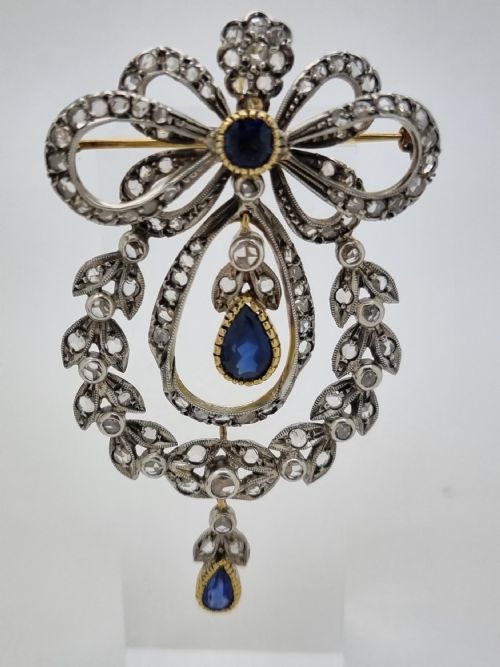
The forms vary widely across the inventory, ranging from bar brooches and geometric platinum mounts to figurative designs. Butterfly motifs, floral sprays, heart shapes, and tiara brooches appear alongside delicate jabot pins.
While true Edwardian pieces feature prominently, buyers also meet related Arts and Crafts and Art Deco styles. Materials shift accordingly, encompassing precious stones and base metals alike.
How they were made
The construction relies heavily on precious metals combined with set gemstones. Makers utilised platinum, sterling silver, silver gilt, and various karats of gold including nine carat, fifteen carat, and eighteen carat yellow and white gold.
Gemstone setting defines much of the production, incorporating diamonds, opals, garnets, aquamarines, sapphires, turquoises, and pearls. Enamel work and butterfly wing panels add colour and surface texture to specific silver and gold frames.
Materials span platinum, silver, gold, diamond, opal, enamel, and glass across multiple periods.
What varies in quality
Quality differences emerge in the finesse of the metalwork and the selection of materials. Master jewellers employed platinum and high carat gold to support intricate stone settings, while simpler pieces relied on sterling silver or silver gilt.
The artistry of the lapidary work and the integration of decorative elements like enamel or butterfly wings dictate the distinction between standard production and exceptional examples.
Charles Horner·Murrle Bennet and Co
The Edwardian Style Brooch Glossary
- Jabot pin
- A decorative pin originally designed to fasten a jabot on a garment. These slender pins often feature an ornamental terminal visible when worn.
- Bar brooch
- A horizontal pin structured around a narrow metal bar. This linear format became popular for showcasing gemstones or central motifs.
- Silver gilt
- Silver that has been coated with a thin layer of gold. This technique provides the appearance of solid gold while utilising a silver base.
- Tiara brooch
- A versatile jewel designed to function both as a brooch and as a small tiara. These pieces often feature elevated central elements.
- Paste
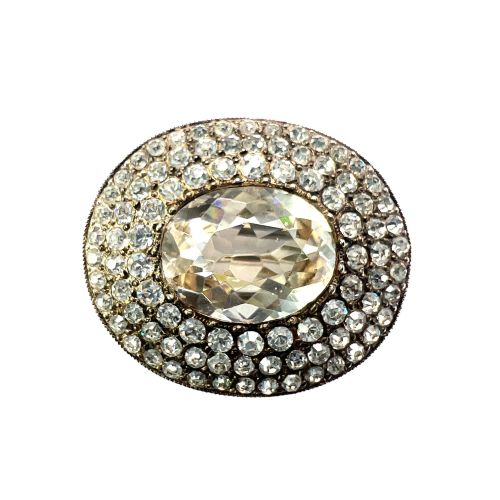
- Hand-cut glass used as a gemstone substitute in historic jewellery. Skilled artisans faceted and set paste to mimic the brilliance of diamonds.
Edwardian Style Brooch: Frequently Asked Questions
How do I wear an edwardian style brooch?
These pieces attach securely to lapels, scarves, and structured fabrics using traditional pin and catch mechanisms. Heavier platinum and diamond creations suit heavier winter coats or formal evening wear.
Lighter silver paste or enamel items pair well with delicate blouses or knitwear. Positioning depends entirely on the weight and balance of the specific frame.
Can a brooch double as a pendant?
Certain designs incorporate integrated loops or hinged Bails that accommodate chains. This allows a piece to transition between a chest ornament and a neck pendant.
Examination of the reverse reveals whether the maker intended dual functionality. Safety catches remain standard on pieces meant for suspension.
What metals are most common?
Gold and silver dominate the material records across multiple decades. Yellow gold appears in lower and higher karats, while white gold and platinum emerge in later modernist and deco designs.
Silver gilt and sterling silver frequently support enamel and butterfly wing panels. Metal choice generally aligns with the prevailing aesthetic of the production era.
How do I identify an Edwardian piece?
Authentic pieces from the Edwardian era typically feature lightweight platinum settings and old cut diamonds arranged in floral or garland motifs. Filigree work and millegrain edges are characteristic hallmarks of this period's craftsmanship.
Later decades introduced geometric Art Deco lines or heavier gold clusters. Comparing the metal composition and stone cuts helps distinguish true Edwardian items from later revivals.