



Edwardian Study Bookcase
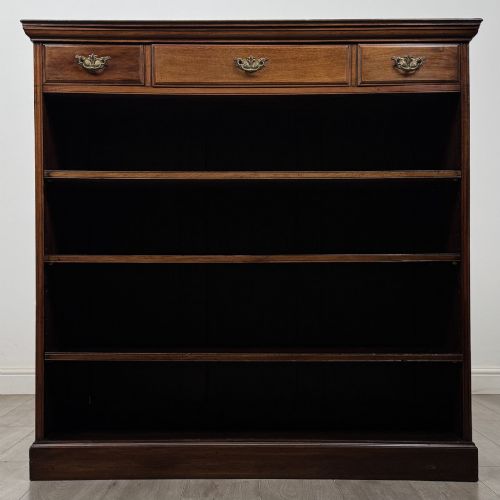
An edwardian study bookcase brings functional timber cabinetry and adjustable shelving together for the home office, offering generous storage for serious libraries.
Edwardian Study Bookcase
When you search for an edwardian study bookcase, you are looking at practical storage pieces designed for home offices and libraries during the early twentieth century and surrounding periods. These items combine open shelving or glazed cabinets with writing surfaces, drawers, and fitted interiors.
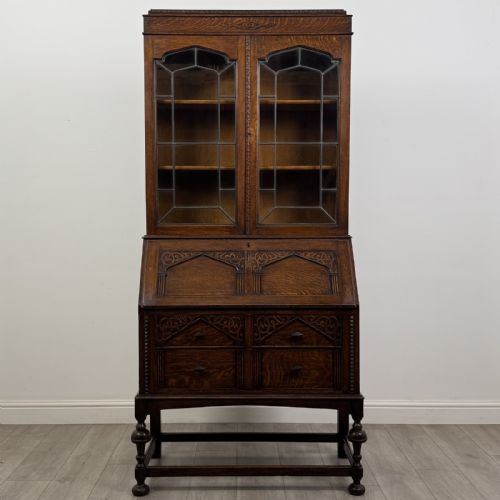
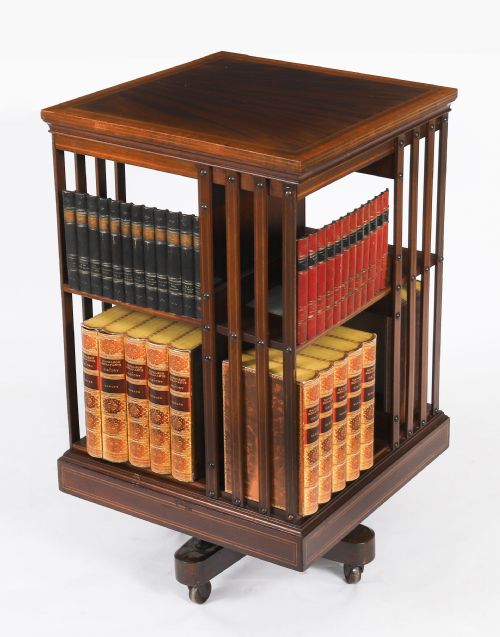
The versions you are most likely to meet on this page span the Edwardian era and Victorian times, appearing in forms such as open bookcases, bureau bookcases, and revolving designs. They cater to both compact studies and larger rooms through varying widths and timber tones.
How they were made
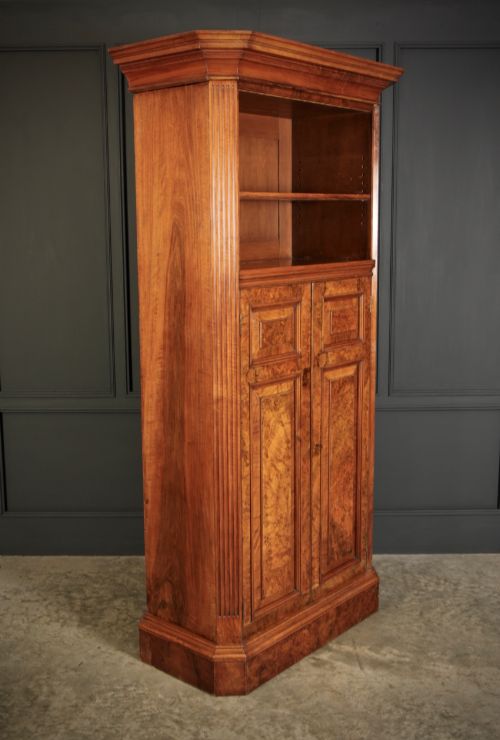
Cabinet makers constructed these pieces primarily using solid oak, walnut, and mahogany, frequently applying burr walnut and flame mahogany veneers to visible surfaces. Brass hardware appears on handles, hinges, and fittings, while glass panels protect upper shelved sections.
Internal construction incorporates adjustable wooden shelving systems and fitted bureau compartments with pigeonholes and small drawers. Timber surfaces receive polished finishes that highlight the natural grain patterns of the oak and walnut.
Edwardian Study Bookcase Retail Price Guide 2026
Typical asking prices for edwardian study bookcase among the pieces listed under this phrase on Sellingantiques today, from the lower quarter to the upper quarter. They describe what is for sale here now, not the wider market.
Materials appearing across the inventory include oak, walnut, burr walnut, flame mahogany, brass, and glass.
What varies in quality
Quality rests upon the selection of timber veneers, such as burr walnut or flame mahogany, and the precision of the joinery in fitted desk interiors. Solid oak and walnut carcases with heavier timber thicknesses sit higher in the range than lighter constructions.
The sophistication of the internal fittings, including secret compartments and tambour doors, separates standard utility pieces from superior examples. Original brass hardware and smoothly functioning adjustable shelf mechanisms further distinguish finer items.
The Edwardian Study Bookcase Glossary
- Bureau bookcase
- A combination of a sloping writing desk and a shelved bookcase upper section. This form provides both working space and book storage within a single footprint.
- Secretaire bookcase
- A tall cabinet featuring a pull-down writing drawer that conceals a fitted interior of small drawers and pigeonholes. It offers a concealed desk space beneath upper shelves.
- Revolving bookcase
- A compact, rotating shelving unit designed to sit on a floor or tabletop for easy access to dictionaries and reference volumes. It allows several books to be reached from a stationary seat.
- Flame mahogany
- A veneer cut from the fork of a mahogany tree to produce a distinctive flickering grain pattern. Cabinet makers used this figure on prominent drawer fronts and doors.
- Tambour
- A series of narrow wooden slats glued to a canvas backing to form a flexible sliding shutter. This technique closes off desk compartments without requiring swinging doors.
Edwardian Study Bookcase: Frequently Asked Questions
What is an edwardian study bookcase?
An edwardian study bookcase is a timber cabinet built for organising books and providing a writing surface within a home office or library setting. These pieces combine vertical shelving with enclosed cupboards or drop-front desks.
They reflect the domestic and professional storage needs of the period, utilising traditional hardwoods like oak and walnut alongside specialised revolving or bureau formats.
How do I use a bureau bookcase?
A bureau bookcase functions as both a compact writing desk and a display or storage cabinet for books. The fold-down or pull-out writing surface creates an immediate workspace above internal pigeonholes.
When the desk flap is closed, the unit returns to a tidy cabinet footprint while keeping reference materials stored securely on the upper shelves.
Are shelves adjustable in these bookcases?
Many examples feature adjustable shelving systems to accommodate books of varying heights. These typically rely on traditional wooden supports or metal rack strips set into the interior sides.
This adaptability allows libraries to hold both large folios and standard octavo volumes without wasting vertical space.
How do I tell Victorian from Edwardian pieces?
Victorian pieces often display heavier proportions, darker finishes, and more ornate carved details reflecting nineteenth-century design tastes. Burr walnut and rich mahogany are common across this earlier span.
Edwardian furniture generally leans towards lighter golden oak tones, simpler linear forms, and cleaner surfaces influenced by shifting twentieth-century domestic aesthetics.