



Edwardian Sterling Vase
An edwardian sterling vase brings bright silver and delicate glass together for display on a table.
Edwardian Sterling Vase
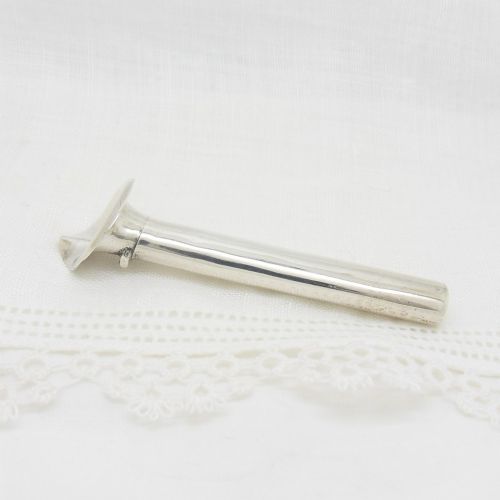
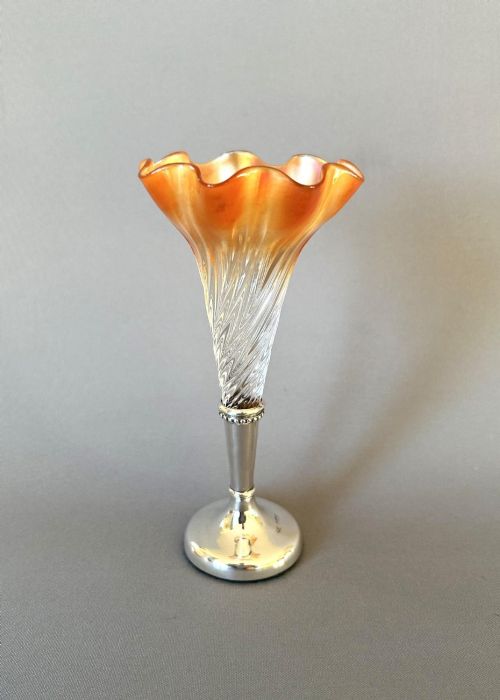
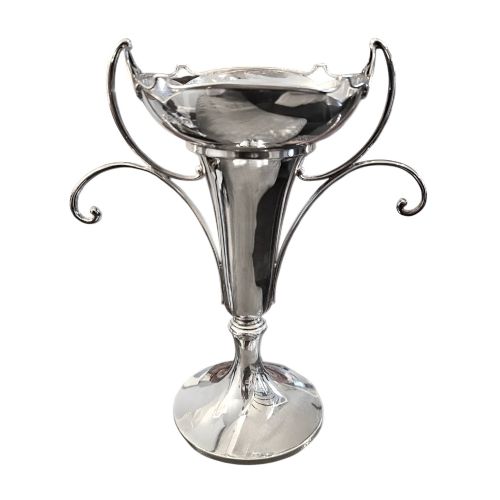
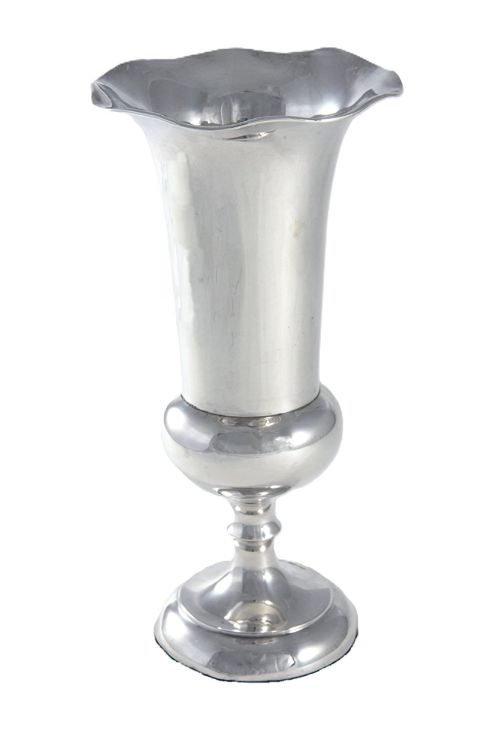
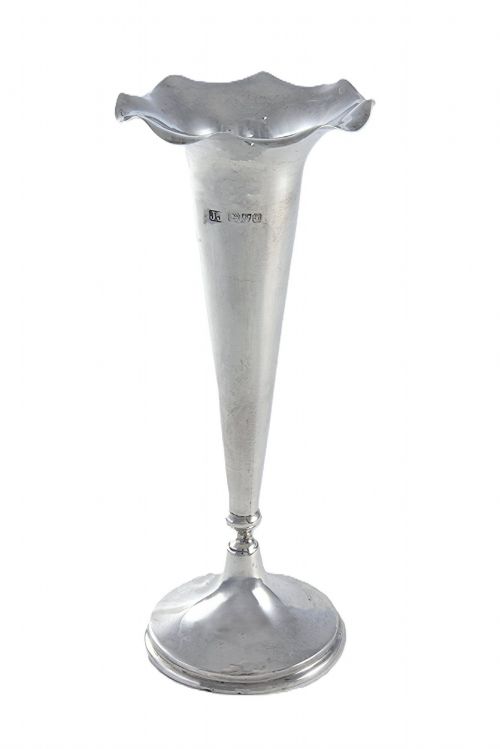
An edwardian sterling vase stands as a table ornament or floral holder, representing the decorative metalwork of the early twentieth century. These vessels take several distinct forms, from single stem holders and trumpet shapes to twin fluted epergnes and glass inserts paired with silver mounts.
Most pieces seen here belong to the Edwardian period and the surrounding decades of 1890 to 1910, reflecting the tastes of the era. Alongside standard posy vases and bud vases, buyers also encounter related silver vessels such as loving cups and decorative egg cups.
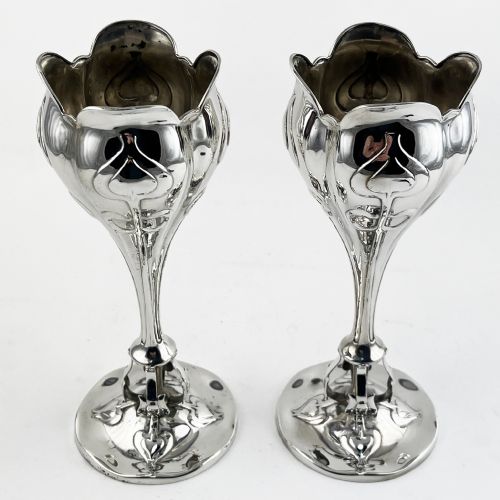
Makers produced these items in sterling silver and silver plate, frequently combining the metal with clear or green glass components. The designs range from plain classical profiles to flowing organic motifs typical of the Art Nouveau style.
How they were made
Silversmiths shaped sterling silver into slender trumpet profiles, fluted bodies, and supportive bases using hammering and spinning techniques. Hallmarks stamped into the metal recorded the assay office, date letter, and standard of silver.
Glass elements such as wrythen liners and flutes were blown and worked by hand to fit snugly within the silver frameworks. Art Nouveau items often incorporated fluid, whiplash lines into the metal mounts to hold the glass securely.
Edwardian Sterling Vase Retail Price Guide 2026
Typical asking prices for edwardian sterling vase among the pieces listed under this phrase on Sellingantiques today, from the lower quarter to the upper quarter. They describe what is for sale here now, not the wider market.
Some Edwardian silver vessels served double duty, doubling as duck egg cups when the flowers were cleared away.
What varies in quality
The weight and gauge of the sterling silver determine the structural stability of the vessel and how well it resists denting over time. Thicker metal allows for crisper chasing and deeper stamping of decorative motifs.
The integration between the silver mount and any glass insert separates standard production from finer examples. Intricate detailing in the Art Nouveau style and the presence of clear hallmarks enhance the character of the piece.
Edward Souter Barnsley·Goldsmiths & Silversmiths·Joseph Rodgers & Sons
The Edwardian Sterling Vase Glossary
- Sterling silver
- An alloy containing a high proportion of pure silver, standard for British decorative objects and tableware. Hallmarks stamped into the surface guarantee this metal content.
- Posy vase
- A small vessel designed to hold a handful of short-stemmed flowers or a single posy. These are common in domestic interiors of the period.
- Epergne
- A central table ornament featuring multiple branching vases or flutes for fruit, sweets, or flowers. Edwardian examples often combine silver frames with glass components.
- Art Nouveau
- A decorative style characterised by organic lines, plant motifs, and flowing asymmetrical forms. It appears frequently in the metal mounts of these vessels.
- Wrythen glass
- Glass blown with a twisted or spiral optical pattern. This texture catches the light and adds visual interest to vases and liners.
Edwardian Sterling Vase: Frequently Asked Questions
What is an edwardian sterling vase?
An edwardian sterling vase is a decorative metal vessel made for displaying flowers or ornamenting a room during the early twentieth century. These items were produced in various forms, including trumpets, bud vases, and epergnes.
Silversmiths frequently combined the sterling silver with glass liners or flutes, incorporating plain designs alongside flowing Art Nouveau styles.
How were these vases used?
These vessels served primarily as table decorations for holding cut flowers, posies, or single stems in domestic settings. Larger examples like epergnes acted as centrepieces for dining tables.
They were also displayed on mantelpieces and sideboards as ornamental objects that showcased the owner's taste in silver.
How do I care for silver and glass?
Silver requires gentle cleaning with a soft cloth and appropriate polish to maintain its finish without removing the hallmarks or thin plating where applicable. Glass liners and flutes should be washed carefully in warm water.
Avoiding harsh abras<bos>11 Abrading agents protects both the metal surface and the delicate glass components from scratching.
How can I tell the period?
The period is primarily identified through the hallmarks stamped directly onto the silver, which include date letters and assay office marks. Stylistic indicators like Art Nouveau curves also point to the early twentieth century.
Comparing the form and manufacturing techniques helps distinguish Edwardian pieces from Victorian or later examples.