



Edwardian Step Stool
An edwardian step stool is a practical piece of period furniture designed to reach high shelves, bringing solid craftsmanship into daily use.
Edwardian Step Stool
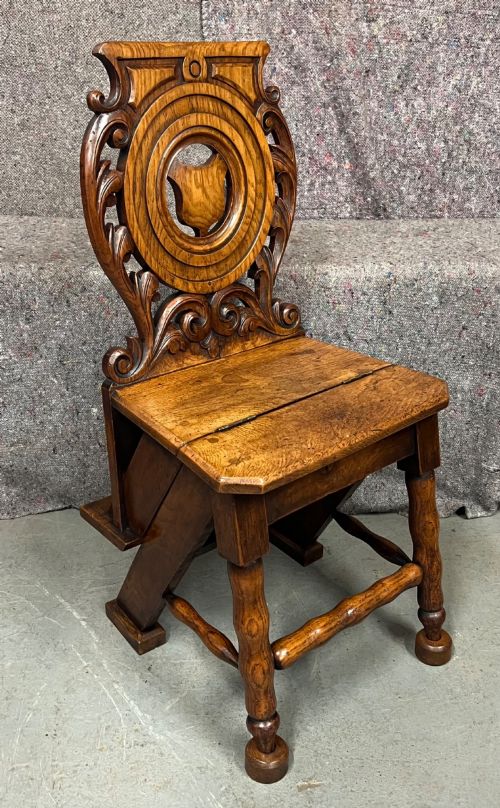
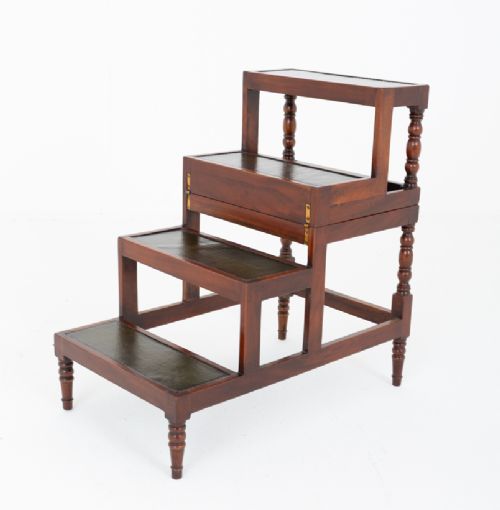
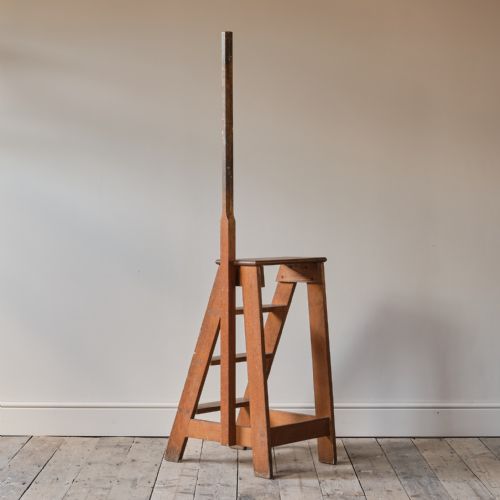
When you search for an edwardian step stool, you are looking at utilitarian wooden furniture designed for domestic libraries and high-ceilinged rooms. The pieces appearing here span compact domestic steps, metamorphic chairs, and sturdy ladders suited for reaching upper shelves.
The versions you are most likely to meet on this page include solid oak constructions and mahogany flights dating from the late nineteenth century through to the early decades of the twentieth. Makers produced these in varied forms, ranging from simple folding steps to ingenious metamorphic chairs that convert from seating into multi-tier ascents.
Beyond standard Library Steps, the evidence shows related forms such as storage stools and slipper boxes fulfilling similar functional domestic roles. These objects combine practical utility with the honest material expression characteristic of the period.
How they were made
Makers constructed these pieces primarily using solid oak and rich mahogany, selecting timbers for their structural density and grain. Brass fittings frequently reinforced folding mechanisms and hinge points on metamorphic designs.
Certain examples incorporate inset leather treads to provide grip and reduce wear on the timber surfaces. Joinery techniques relied on traditional methods to ensure stability under vertical weight.
Edwardian Step Stool Retail Price Guide 2026
Typical asking prices for edwardian step stool among the pieces listed under this phrase on Sellingantiques today, from the lower quarter to the upper quarter. They describe what is for sale here now, not the wider market.
Some chairs quietly double as staircases, proving that Victorians loved furniture with a secret double life.
What varies in quality
Quality reveals itself in the integrity of the timber selection and the precision of the joints. Heavy golden oak and well-figured mahogany indicate a higher grade of initial production compared to plain utility items.
The mechanical ingenuity of metamorphic examples distinguishes standard steps from superior convertible chairs. Smooth transitions between seating and step configurations demonstrate the skill of the original maker.
The Edwardian Step Stool Glossary
- Metamorphic chair
- A dual-purpose piece of furniture that transforms from a chair into a flight of steps. This ingenious design allowed domestic spaces to accommodate utility items without clutter.
- Library steps
- A freestanding wooden staircase used to reach high bookshelves in period rooms. These range from small portable flights to large structural ladders.
- Slipper box
- A low wooden storage box, often featuring a hinged lid, used for keeping footwear tidy. Examples from this era frequently utilise solid oak construction.
- Tread
- The horizontal surface of a step upon which the foot rests. In period library steps, these surfaces occasionally feature inset leather panels for added traction.
Edwardian Step Stool: Frequently Asked Questions
What is a metamorphic library chair?
A metamorphic library chair is a piece of furniture engineered to fold out into a sturdy set of steps. This clever dual function saved space in traditional home libraries.
Such pieces allowed readers to sit comfortably before converting the seat into an ascent for reaching high volumes.
How do I care for antique oak steps?
Keep wooden library steps away from direct heat sources and sudden humidity changes to protect the timber joints. Regular gentle dusting preserves the natural finish of the oak.
Apply a traditional beeswax polish sparingly when the wood appears dry to maintain its protective sheen.
Were these steps used only in libraries?
While originally built for domestic libraries and studies, these sturdy steps functioned throughout large period homes. They aided daily tasks in high-ceilinged Edwardian pantries and bedrooms.
Their compact scale ensured they remained versatile household accessories beyond the book room.
What woods are typical for this period?
Solid oak and rich mahogany dominate the construction of these functional period pieces. Oak appears in both dark finishes and golden tones, reflecting Arts and Crafts preferences.
Mahogany was often selected for more formal library settings, sometimes paired with leather treads.