







Edwardian Small Sofa
An edwardian small sofa offers compact seating rooted in the early twentieth century, combining refined proportions with practical elegance for the modern home.
Edwardian Small Sofa
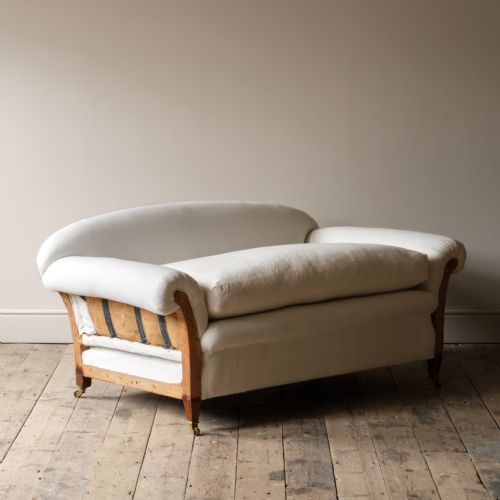
An edwardian small sofa comprises compact two-seater settees and couches originating primarily from the Edwardian period, 1900, and the early decades of the twentieth century. These seating pieces span formal inlaid designs to deep-seated country house styles.
The inventory on this page demonstrates that buyers encounter various iterations, including petite sofas, inlaid mahogany settees, and painted canework couches from around 1910. Makers also utilised walnut for smaller forms during this era.
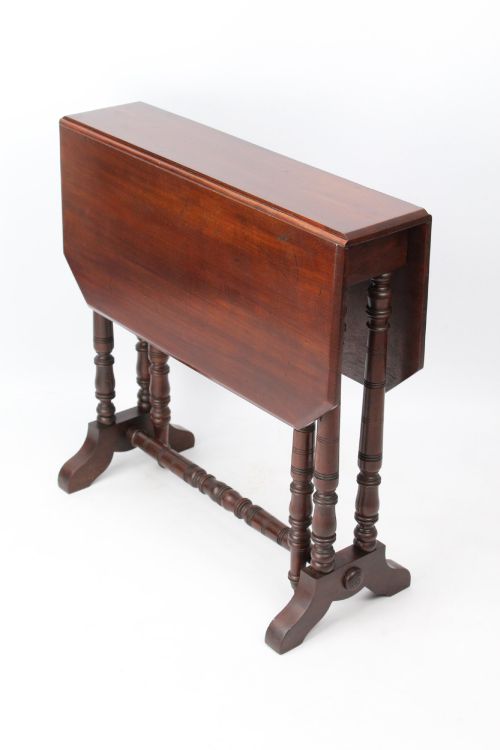
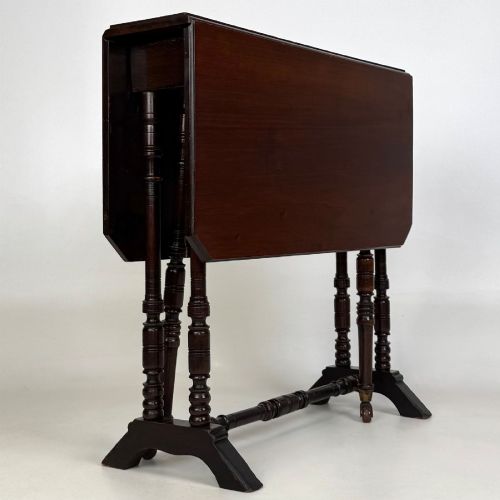
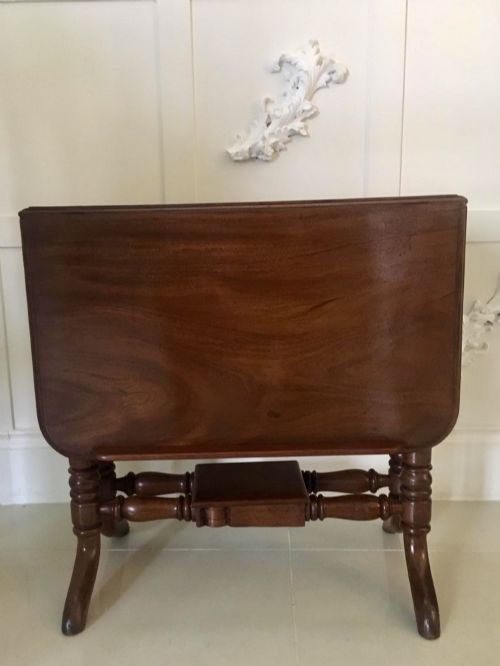
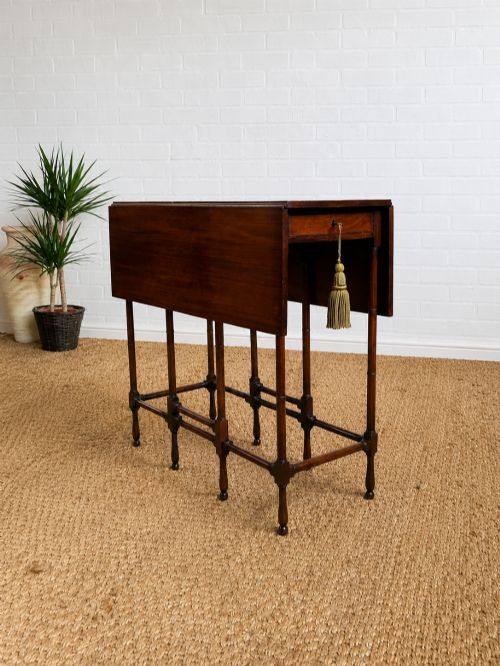
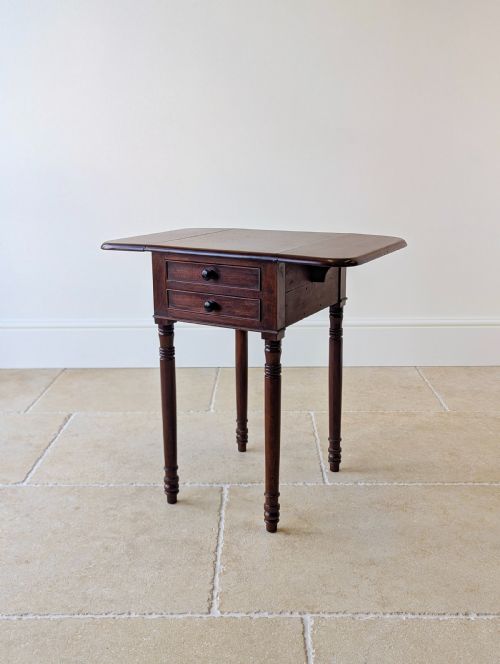
These items frequently appear alongside related smaller scale furniture such as Sutherland tables, occasional tables, and side tables from the Victorian, Edwardian, and nineteenth-century periods.
How they were made
Craftsmen utilised solid timbers and veneers, predominantly mahogany, walnut, and burr walnut, often complemented by satinwood and boxwood inlay for decorative contrast. Structural elements relied on traditional joinery methods suited to smaller seating frames.
Upholstery and seating surfaces incorporated fabric, leather tops, and canework, depending on whether the piece was intended for formal drawing rooms or informal country house settings.
Turning and carving techniques shaped the legs and supports, ranging from bamboo-turned wooden legs to cabriole and bulbous forms seen across related occasional tables of the same eras.
Edwardian Small Sofa Retail Price Guide 2026
Typical asking prices for edwardian small sofa among the pieces listed under this phrase on Sellingantiques today, from the lower quarter to the upper quarter. They describe what is for sale here now, not the wider market.
Materials across the inventory include solid mahogany, satinwood inlay, brass fittings, marble tops, and painted canework.
What varies in quality
The refinement of timber selection separates standard pieces from finer examples, particularly where figured walnut, burr walnut, or carefully matched satinwood veneers and boxwood inlay demonstrate superior cabinet-making skill.
Structural integrity in the frame and legs dictates longevity, where intricate turning, solid mahogany construction, or well-executed canework reflect the original maker's investment of time and materials.
The execution of decorative details, from subtle inlay work to balanced proportions in petite frames, distinguishes workshop output across the Edwardian, Victorian, and early twentieth-century periods.
Howard and Sons·Liberty and Co·Willmington and Cope
The Edwardian Small Sofa Glossary
- Edwardian
- Pertaining to the reign of King Edward VII, spanning from 1901 to 1910, though the style extends slightly either side of these dates. Furniture from this period typically favours lighter forms and revival styles.
- Inlay
- A decorative technique where contrasting materials such as boxwood or satinwood are inserted into recesses in the primary wood base. This creates flat ornamental patterns on table tops and sofa frames.
- Canework
- A woven lattice pattern utilising rattan or cane strips, commonly applied to seat bases or chair backs. It provides a lightweight and flexible surface.
- Sutherland table
- A narrow drop-leaf table where the leaves fold down almost vertically. It rests on hinged legs that swing out to support the leaves when raised.
Edwardian Small Sofa: Frequently Asked Questions
What defines an Edwardian small sofa?
An Edwardian small sofa is a compact two-seater seating piece produced around the early 1900s. These items often feature lighter frames and refined wood or inlaid details.
They reflect the transition from heavier Victorian furniture towards more manageable proportions suitable for smaller rooms.
How were small sofas used historically?
These seating pieces served as intimate places to sit in drawing rooms, boudoirs, and country house reception spaces. Their compact size allowed placement in tighter architectural corners.
They offered comfortable seating without dominating the floor plan of period homes.
How do I live with a small sofa?
Living with a compact period sofa involves balancing historical character with everyday comfort and placement. Their smaller scale makes them adaptable to modern living rooms or studies.
Pairing them with period occasional tables or side tables helps create a cohesive interior scheme.
How do I distinguish Edwardian from Victorian pieces?
Edwardian furniture generally exhibits lighter proportions, brighter wood tones, and restrained decorative elements compared to earlier styles. Victorian pieces often use denser timbers and heavier carving.
Inlay work and satinwood highlights frequently point towards the later Edwardian aesthetic.