



Edwardian Small Chair
An edwardian small chair brings compact seating into a room, offering period character without dominating the floor space.
Edwardian Small Chair
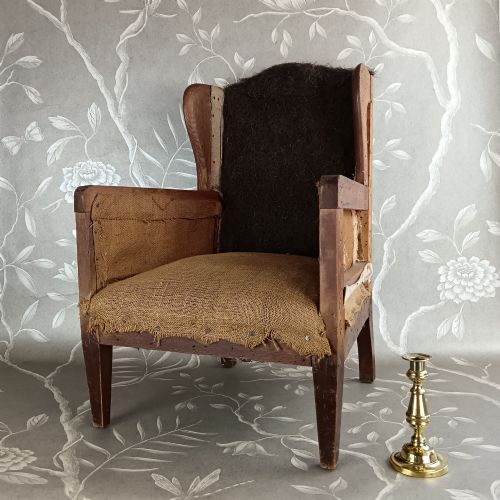
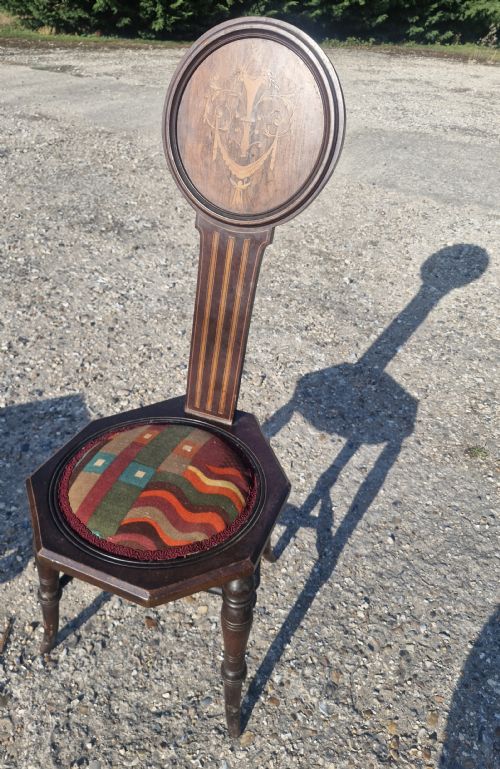
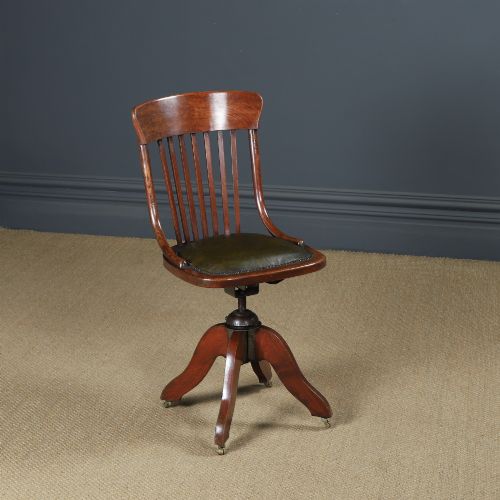
When searching for an edwardian small chair, buyers encounter a diverse selection of compact seating ranging from bedroom chairs and library chairs to children's armchairs and desk chairs. These pieces come in several styles spanning the Edwardian era, Victorian period, and George V years, along with Queen Anne Revival and Arts and Crafts influences.
How they were made
The construction relies primarily on timber and wood, notably mahogany, oak, and beech, which provide sturdy frames for these compact seats. Brass accents and iron-back structures occasionally appear in the framing and support elements.
Upholstery and finishing involve traditional fabric and textile applications, including buttoned designs, tweed linen, and green leather inserts. Inlays also feature on specific Edwardian mahogany examples to add decorative detail.
Edwardian Small Chair Retail Price Guide 2026
Typical asking prices for edwardian small chair among the pieces listed under this phrase on Sellingantiques today, from the lower quarter to the upper quarter. They describe what is for sale here now, not the wider market.
Materials across the selection range from mahogany and oak to iron, brass, fabric, and green leather.
What varies in quality
The distinction between standard and finer examples rests on the refinement of the timber work, such as the presence of mahogany framing and cabinetmaker inlays. Maker stamps and attribution to specific workshops like Whytock and Reid elevate the standing of a piece.
The integrity of the upholstery materials, from quality leather to fitted tweed linen, contributes to the overall execution. Proportion and the harmony of period revival styling also separate basic utility seating from more deliberate design work.
Whytock and Reid
The Edwardian Small Chair Glossary
- Bergere chair
- A type of closed-arm chair with cane or upholstered back and sides. It originates from French seating designs adapted into British furniture.
- Spinning chair
- A low seat traditionally used for domestic tasks like spinning wool. These pieces often feature decorative carved backs and compact proportions.
- Wingback armchair
- A seat featuring side panels attached to the back to shield against drafts. Smaller versions scale these traditional forms down for children or compact rooms.
- Queen Anne Revival
- A style looking back to early eighteenth-century forms with characteristic cabriole legs and curved backs. It gained renewed popularity during later periods.
- Library chair
- A functional seating form designed for reading and study. Compact examples fit easily beside desks or bookshelves.
Edwardian Small Chair: Frequently Asked Questions
What rooms suit an edwardian small chair?
These compact seats fit easily into bedrooms, dressing rooms, and smaller studies where standard furniture overwhelms the floor plan. Their diminutive scale also makes them suitable for hallways or as fireside additions.
Children's versions work well in nurseries or family spaces, adding historical character without taking up excessive room. Their versatility allows them to serve as occasional seating or decorative accents.
How do I identify an Edwardian piece?
Edwardian furniture often displays lighter proportions and simpler lines than heavy Victorian pieces, frequently utilising mahogany or inlaid decoration. Stylistic revivals of Queen Anne or Sheraton forms also point toward this era.
Examining the construction methods and upholstery materials helps confirm the period context. Makers' stamps or labels can provide definitive evidence of origin and date.
Are these chairs comfortable for daily use?
Many of these pieces feature upholstered seats, buttoned backs, or leather panels designed for functional seating rather than pure decoration. Their smaller dimensions mean they suit shorter periods of sitting, such as reading a book or working briefly at a desk.
Upholstered variations provide softer support, while wooden side chairs offer firmer seating. Evaluating the cushion depth and back angle helps determine daily usability.
How do I care for antique wood and upholstery?
Maintaining wooden frames requires gentle dusting and occasional waxing to preserve the timber finish without building up residue. Keeping pieces away from direct heat sources prevents the wood from drying out or splitting.
Upholstery care depends on the fabric used, whether leather, tweed, or standard textile. Professional cleaning is advisable for delicate period fabrics to avoid damaging the material.