



Edwardian Silver Scoop
These edwardian silver scoop pieces combine period craftsmanship with utility, offering a distinct charm collectors seek for tea service and dining tables.
Edwardian Silver Scoop
An edwardian silver scoop encompasses a variety of utilitarian dining and tea service implements spanning caddy spoons, sifter spoons, stilton scoops, and crumb trays. These items originate predominantly from the Edwardian era and surrounding decades, capturing the domestic tastes of the early twentieth century.
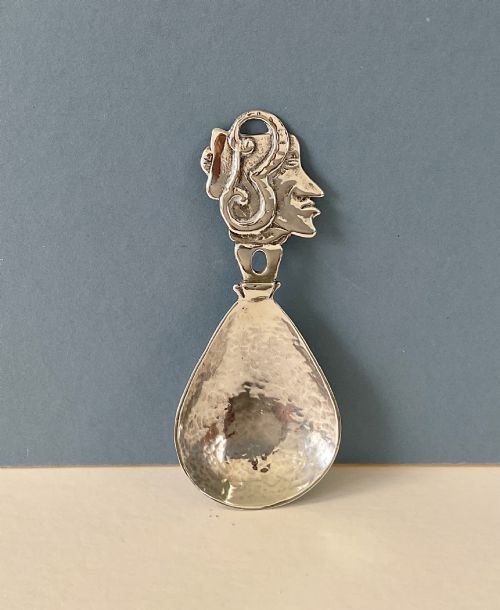
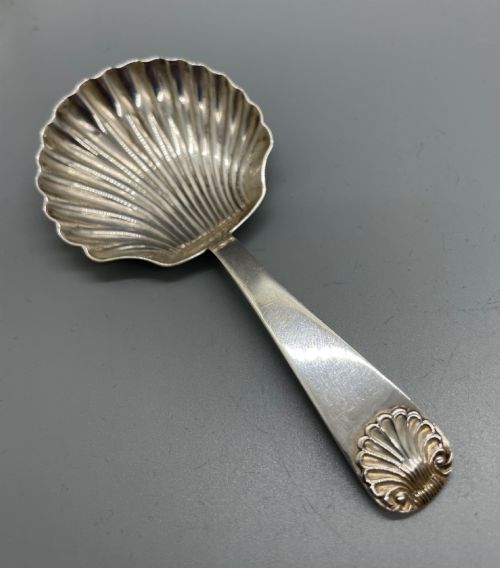
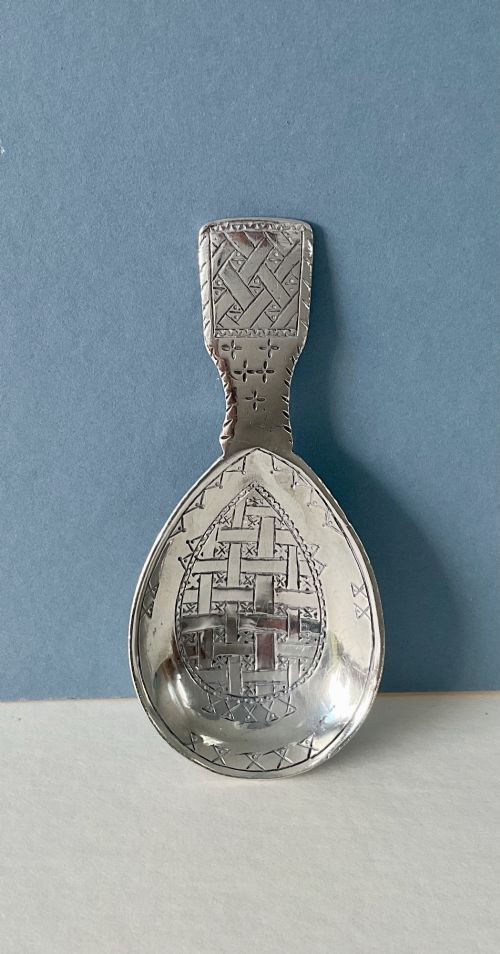
The version most commonly met on this page is the caddy spoon, often shaped in distinctive Arts and Crafts or novelty designs. Alongside these smaller pieces, larger serving implements such as stilton scoops and crumb trays occasionally appear in sterling silver or silver plate.
Materials and Construction
Makers utilised sterling silver and silver plate as the primary metals for bowls and handles, occasionally applying silver gilt for decorative enrichment. These metallic elements were paired with organic materials such as bone, ivory, and mother of pearl for handles on larger serving pieces.
Construction methods rely on traditional silversmithing techniques appropriate to the period, including hammered finishes characteristic of the Arts and Crafts movement and crisp casting for novelty forms like jockey caps or hands.
Edwardian Silver Scoop Retail Price Guide 2026
Typical asking prices for edwardian silver scoop among the pieces listed under this phrase on Sellingantiques today, from the lower quarter to the upper quarter. They describe what is for sale here now, not the wider market.
Novelty designs include miniature hands and jockey caps, proving that Edwardian tea tables possessed a distinct sense of humour.
Assessing Quality
Quality in these pieces rests upon the crispness of the maker's design execution, particularly in the hand-hammered surfaces of Arts and Crafts examples or the detailed casting of novelty shapes. Stronger pieces display balanced proportions and secure joints between metal bowls and organic handles.
The presence of clear hallmarks adds significant weight to a piece, distinguishing standard commercial output from more considered workshop productions. The integrity of integrated materials, such as well-preserved mother of pearl or bone inserts, further elevates the standing of an item.
WILLIAM NEALE·Liberty
The Edwardian Silver Scoop Glossary
- Caddy spoon
- A short-handled spoon specifically designed for measuring loose tea leaves from a caddy. These small implements often display inventive decorative treatments.
- Sifter spoon
- A utensil featuring a perforated bowl used for dusting sugar over food or beverages. The piercing patterns vary from simple dots to intricate geometric designs.
- Stilton scoop
- A long-handled utensil intended for extracting portions of hard cheese. They frequently incorporate bone or ivory handles.
- Crumb scoop
- A wide, flat utensil paired with a tray or used independently for clearing table crumbs. These larger items often utilise organic handles.
- Silver gilt
- Silver that has been coated with a thin layer of gold on its surface. This technique provides a rich two-tone appearance.
Edwardian Silver Scoop: Frequently Asked Questions
What is an edwardian silver scoop used for?
These pieces served specific domestic functions in Edwardian households, primarily for portioning tea leaves or serving specialised cheeses and desserts.
Smaller caddy spoons measured tea from storage jars, while larger implements like stilton scoops handled firm cheeses at the dining table.
Are these pieces made of solid silver?
The materials vary across the selection, encompassing both sterling silver and silver-plated items alongside pieces featuring gilt finishes.
Examining the metal components and any stamped hallmarks helps determine whether a specific item is solid sterling or plated.
How can I tell the period of a scoop?
Dating relies heavily on official hallmarks stamped into the metal, which indicate the assay office and year of manufacture.
Stylistic indicators such as Arts and Crafts hand-hammering or Edwardian novelty forms also point to the correct era of production.