
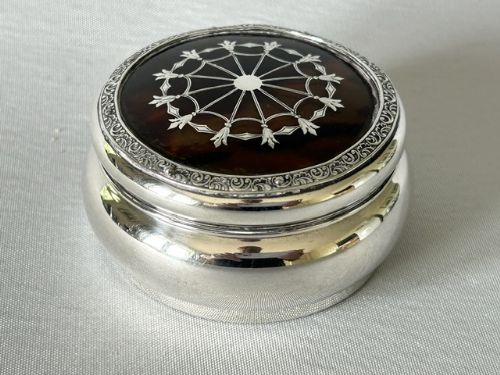


Edwardian Silver Powder Box
These pieces of edwardian silver powder box combine sterling silver lids with crystal, glass, or enamel bodies to grace the dressing table.
Edwardian Silver Powder Box
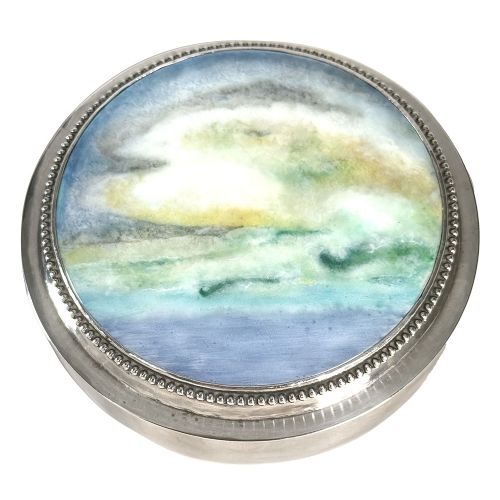
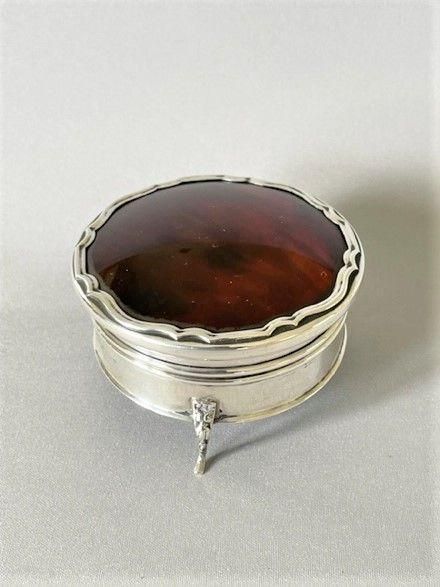
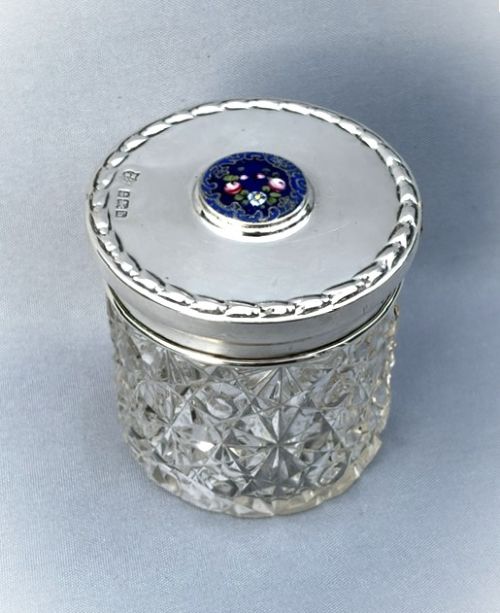
When you examine an edwardian silver powder box, you look at dressing table jars, vanity jars, trinket boxes, and compacts dating from the early twentieth century. The selection spans the Edwardian period alongside George V and Art Deco eras, with items fashioned in London, Birmingham, Chester, Edinburgh, and Austria.
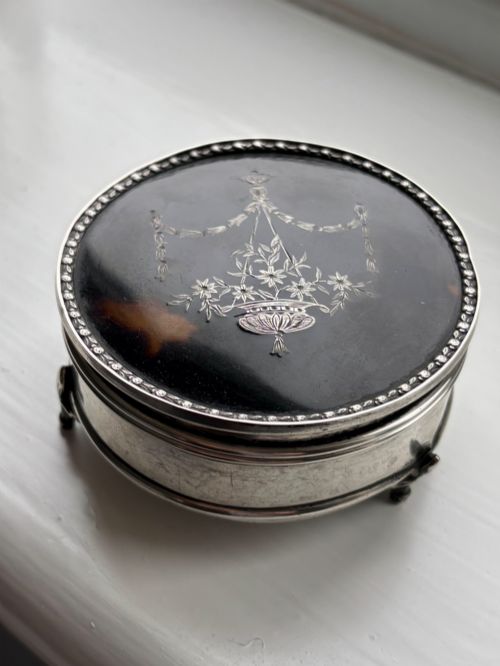
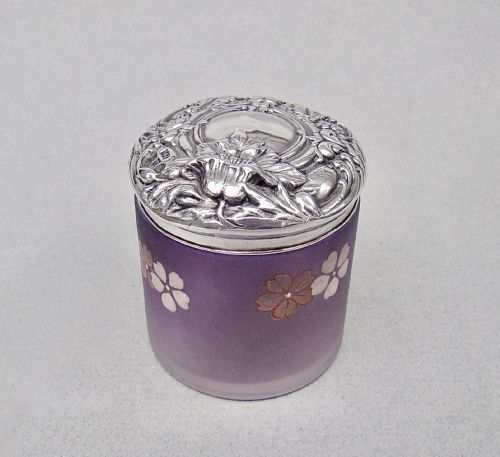
You meet vessels featuring sterling silver lids paired with cut glass, cut crystal, satin glass, cranberry glass, enamel, tortoiseshell, and faux tortoiseshell. The forms serve to hold powder, rouge, pills, or trinkets, displaying styles from Art Nouveau and Neoclassical Revival to sleek geometric designs.
Quality and Distinction
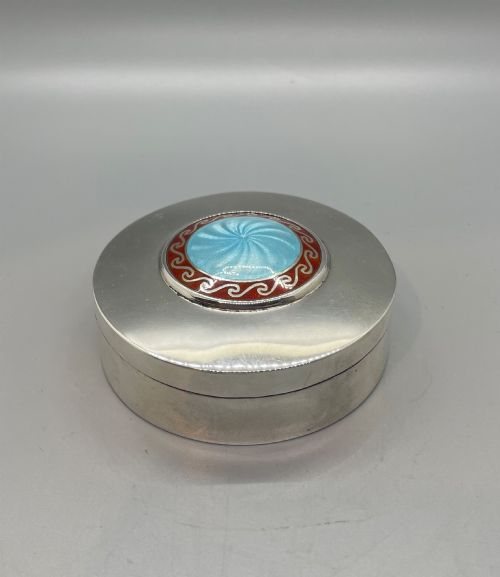
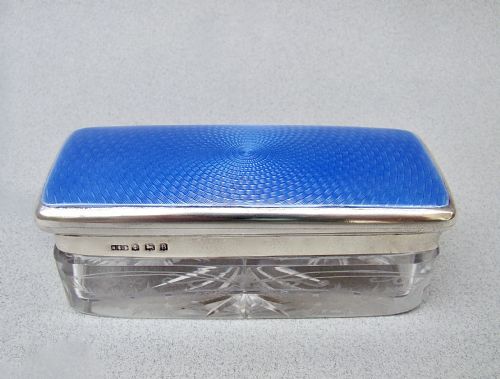
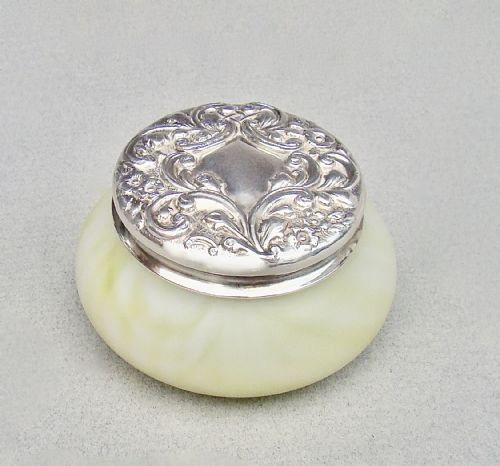
The standard of an edwardian silver powder box rests upon the crispness of the silversmith's repousse work and the precision of any guilloche enamel patterns. Superior examples display flawless enamel surfaces free from chipping and clear, deep hallmarks indicating the assay office and maker.
Weight and clarity elevate the piece, particularly where heavy cut crystal or cut glass bases meet substantial sterling silver mountings. The intricacy of auxiliary decorative techniques, such as tortoiseshell pique work or citrene setting, distinguishes finer boxes from simpler utilitarian jars.
Listings feature sterling silver paired with cut crystal, guilloche enamel, tortoiseshell, and various tinted glasses across the Edwardian and Art Deco periods.
Henry Clifford Davis·Goldsmiths and Silversmiths Company·A. Bromet and Co·Asprey and Co·Henry Matthews·Elkington and Co·Henry Williamson Ltd
The Edwardian Silver Powder Box Glossary
- Guilloche enamel
- A decorative technique where an intricate geometric pattern is engine-turned into metal beneath a translucent layer of coloured enamel.
- Repousse
- A method of shaping metal by hammering from the reverse side to form a raised design in relief on the front.
- Pique work
- The art of inlaying tiny pins of gold or silver into tortoiseshell to create delicate decorative motifs.
- Vitreous enamel
- Glass fused to the surface of metal at high temperatures to provide a smooth, durable, and colourful finish.
- Hallmark
- An official stamp struck on precious metals to certify the purity, maker, and year of assay.
Edwardian Silver Powder Box: Frequently Asked Questions
How were these boxes used?
Owners kept them upon dressing tables and vanities to store loose powder, rouge, pills, or jewellery. Their decorative lids made them ornamental objects as well as practical containers.
Many doubled as compacts or travel vanity jars, depending on the scale and whether they included internal compartments or fitted glass bases.
How do I date a silver powder box?
You date these pieces by examining the hallmarks stamped into the silver, which record the assay office, standard mark, and date letter. Birmingham, London, Chester, and Edinburgh hallmarks provide precise years.
Stylistic cues such as floral Art Nouveau repousse work or geometric Art Deco guilloche enamel also help place the piece within the Edwardian or George V eras.
What materials are used in these boxes?
The lids and mounts consist of sterling silver, often embellished with vitreous enamel, tortoiseshell, faux tortoiseshell, or citrene. Bases are formed from cut crystal, cut glass, satin glass, or cranberry glass.
Some examples incorporate specialised techniques like pique work inlay, combining multiple tactile surfaces in a single dressing table accessory.