




Edwardian Silver Bell
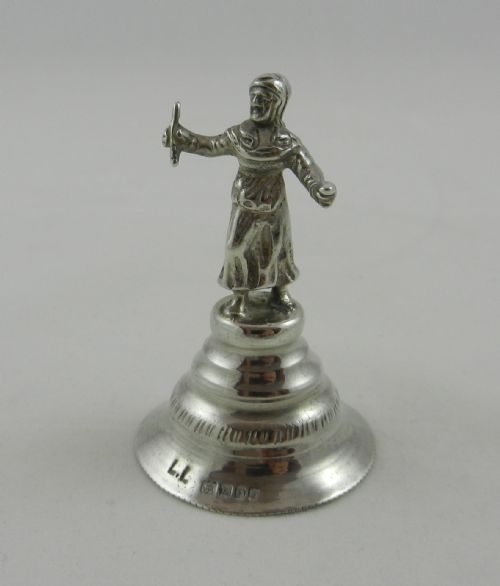
An Edwardian silver bell is a tactile desk accessory or inkwell that brings domestic and commercial history to any surface.
Edwardian Silver Bell
When you search for an Edwardian silver bell, you encounter functional items designed for desks, counters, and dining tables. These objects served practical purposes in communication and writing before modern electricity.
The pieces on this page span table bells, reception counter bells, and bell-shaped inkwells. Alongside genuine Edwardian specimens, you find Victorian examples, later mid-century items, and related novelty silver pieces.
Many items combine silver with glass, brass, or white metal to create practical tools for the home or office. Desk accessories and novelties dominate the selection alongside traditional table bells.
How they were made
Silversmiths shaped sterling silver and silver plate through pressing, casting, and hand-finishing techniques. Bases often incorporated brass or glass components to add necessary weight and stability.
Novelty designs required intricate mechanical elements to conceal inkwells, pin cushions, or striking mechanisms within the bell shape. Artisans utilised leather and bone for subsidiary details on specific desk items.
Edwardian Silver Bell Retail Price Guide 2026
Typical asking prices for edwardian silver bell among the pieces listed under this phrase on Sellingantiques today, from the lower quarter to the upper quarter. They describe what is for sale here now, not the wider market.
Listings feature items incorporating sterling silver, silver plate, brass, glass, leather, and bone across desk accessories and serveware.
What varies in quality
The standard of a piece rests on the crispness of the casting and the clarity of the ring. Heavier gauge silver provides a more resonant tone and greater durability over time.
Makers who incorporated fully functioning mechanical parts or combined silver with cut glass achieved superior craftsmanship. Original patination and intact hallmarks elevate the standing of individual items.
Asprey
The Edwardian Silver Bell Glossary
- Sterling silver
- A silver alloy containing 92.5 percent pure silver and 7.5 percent other metals, usually copper. This standard composition ensures structural strength for functional items.
- Hallmark
- An official stamp applied to precious metals indicating the assay office, purity, and date of manufacture. These marks provide precise historical attribution.
- Novelty silver
- Silver items shaped to resemble everyday objects or animals while serving a different primary function, such as an inkwell or a pin cushion.
- Silver plate
- A thin layer of silver bonded to a base metal such as brass or copper. This technique offered an affordable alternative to solid sterling pieces.
- Desk accessory
- A functional object designed for the writing table, including inkwells, bells, and blotters. These items were essential components of historical offices.
Edwardian Silver Bell: Frequently Asked Questions
How do I clean an antique bell?
Use a soft microfiber cloth to remove dust and light dirt from the metal surfaces. Avoid harsh chemical dips that strip away desirable historical patination.
For stubborn tarnish on sterling silver, apply a specialist silver polish gently with a cotton bud. Keep moisture away from any glass or organic components like bone and leather.
Were these bells used at home?
Households utilised table bells in dining rooms and drawing rooms to summon domestic staff. Smaller versions sat on desks for general use.
Commercial establishments also employed similar designs on reception counters to gain attention.
What is a novelty bell?
A novelty bell is disguised as another object, such as a figural animal, a pin cushion, or an inkwell. These dual-purpose items combined practicality with amusement.
Wealthy patrons commissioned them as decorative conversation pieces for their studies.
How can I tell the age?
Examine the piece for official hallmarks, which reveal the assay office and exact year of production. Style markers like Art Nouveau curves also point to specific decades.
Construction methods and material choices help distinguish turn-of-the-century work from later mid-century reproductions.
Do all these bells still ring?
Most retain their internal clapper and produce a clear tone when struck or pressed. Mechanical desk bells rely on internal springs that operate the hammer.
Wear to internal components can sometimes deaden the sound, so testing the mechanism is essential.