
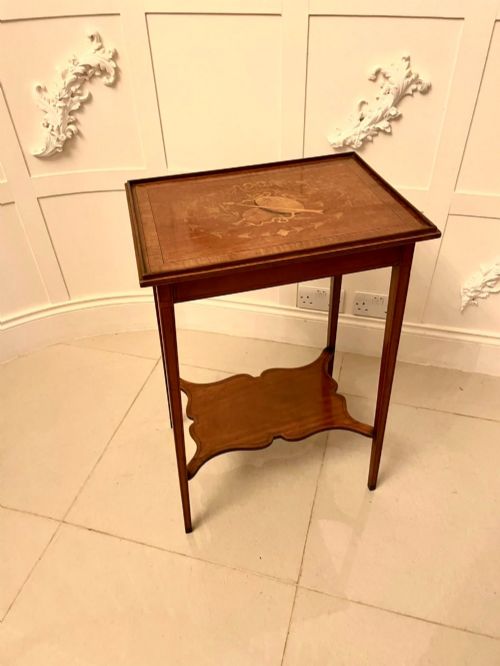
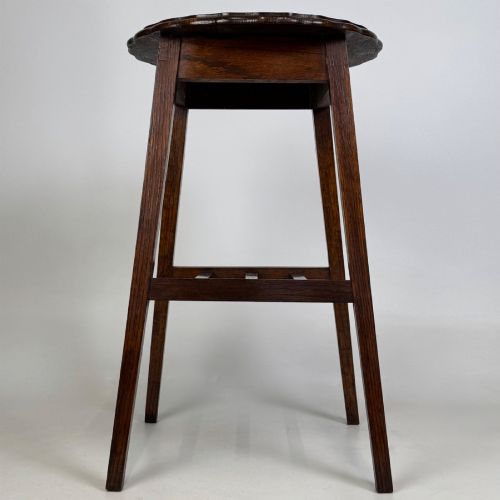
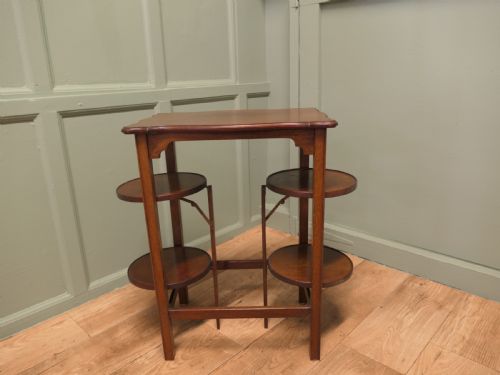
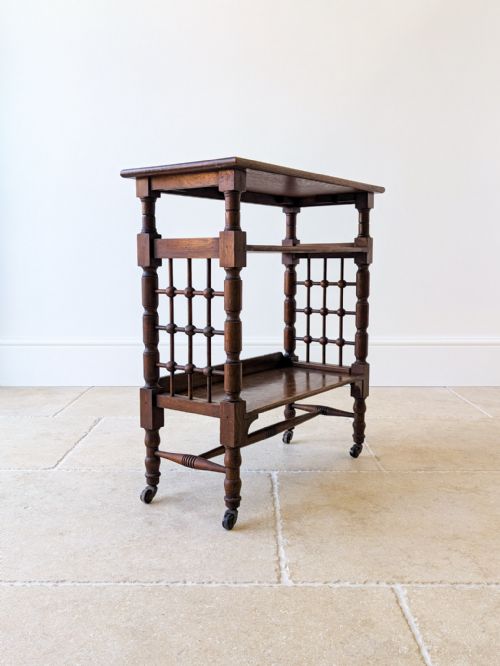
Edwardian Side Stands
Edwardian side stands bring compact utility to a room, offering sturdy surfaces in oak and mahogany for everyday placement.
Edwardian Side Stands
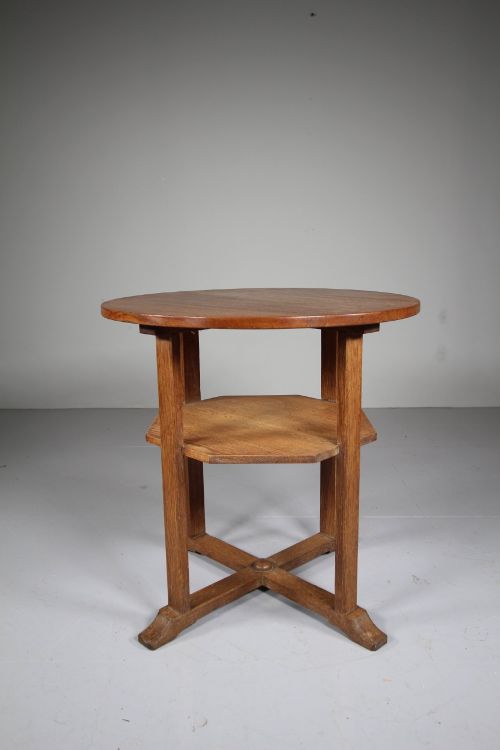
Edwardian side stands encompass a diverse group of occasional tables, plant stands, and tray tables produced during the early twentieth century. Buyers seeking edwardian side stands frequently encounter practical oak and mahogany forms designed for specific domestic tasks.
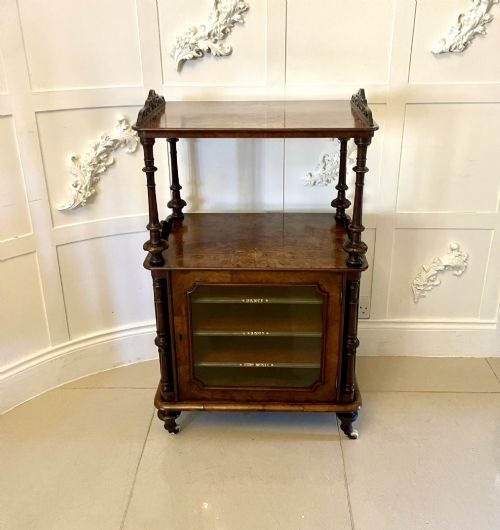
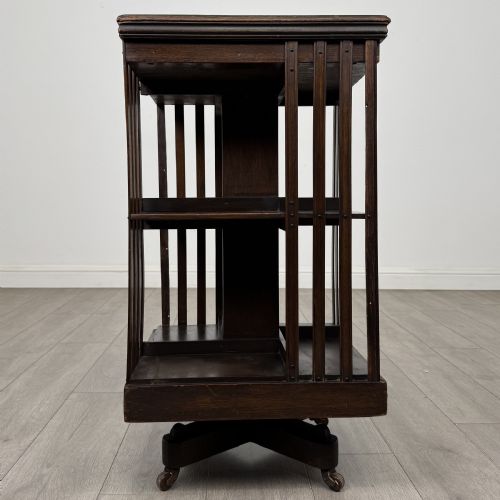
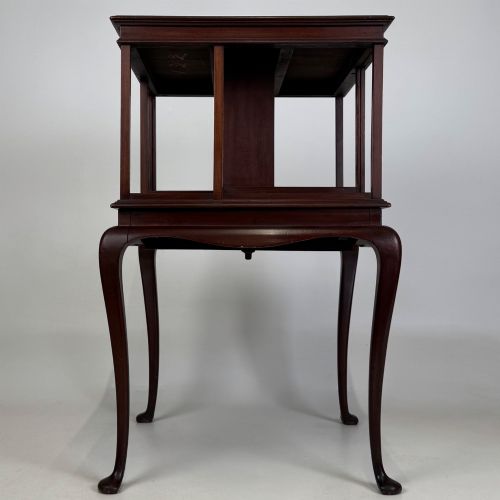
The evidence shows heavy representation of Edwardian and late Victorian pieces functioning as lamp tables, wine tables, and revolving bookcases. These functional items reflect the domestic requirements of the period, favouring easily moveable furniture for sitting rooms and parlours.
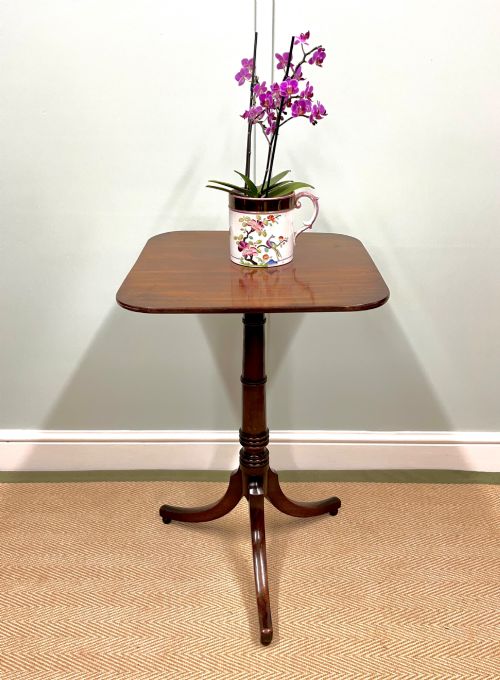
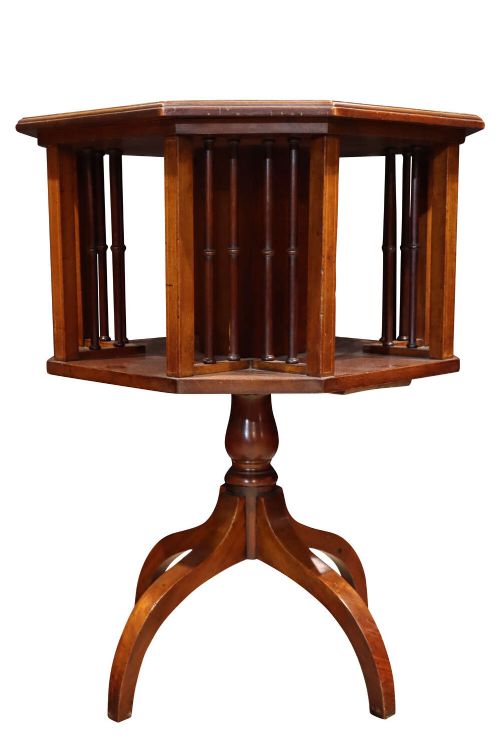
Alongside standard occasional tables, the selection includes specialised items such as butlers tray tables and octagonal plant stands. These variations provide compact surfaces suitable for smaller spaces while maintaining period character.
Assessing quality in construction and design
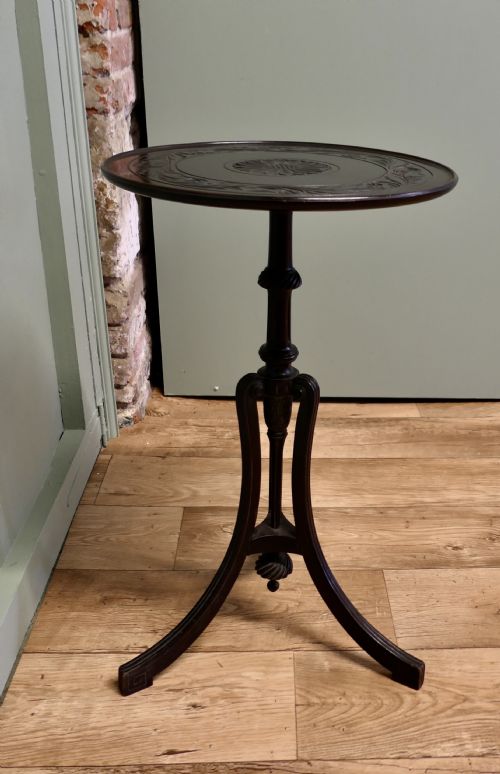
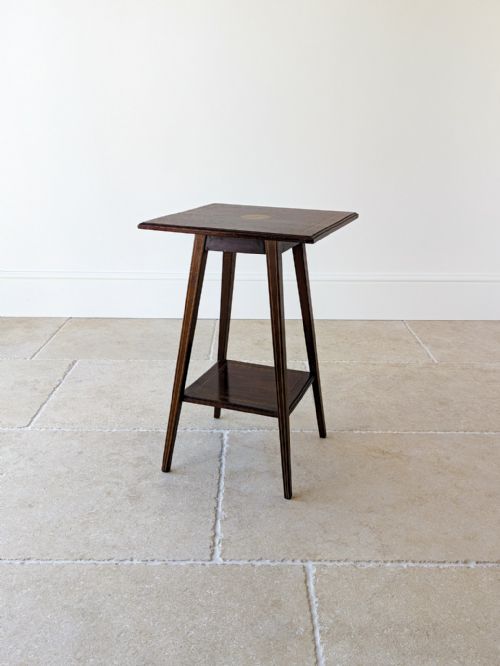
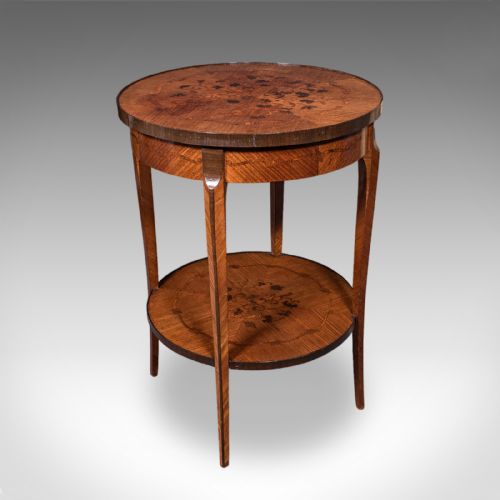
Quality rests upon the selection of timber figures, the precision of inlay work, and the crispness of carved details on oak and mahogany surfaces. Superior examples demonstrate careful grain matching and refined joinery rather than mass-produced uniformity.
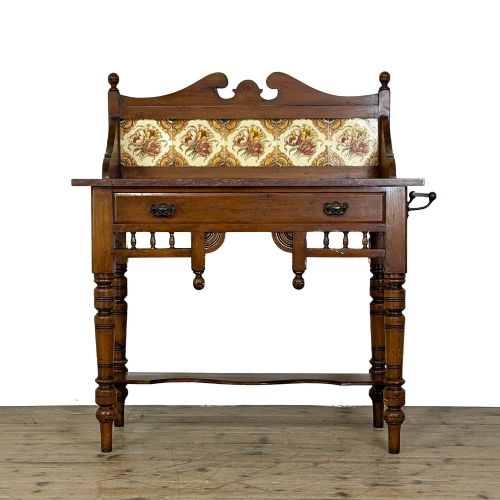
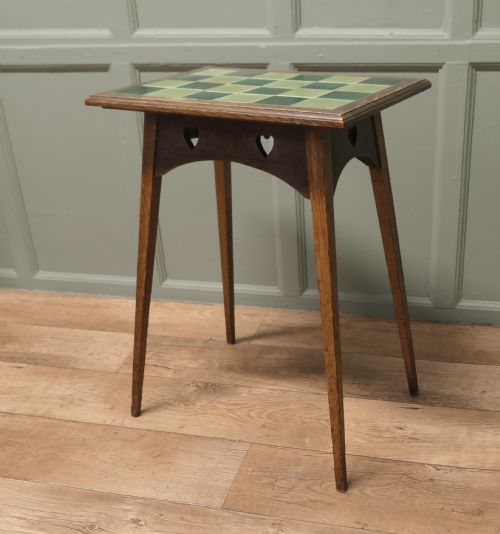
The integration of secondary materials, such as decorative tiles or brass hardware, separates standard utility furniture from finer artistic pieces associated with the Arts and Crafts movement or specific workshops.
Listings feature extensive examples from the Edwardian era and late Victorian period, primarily constructed in oak and mahogany.
Trevor Page and Co·Shapland and Petter·Liberty and Co·William Birch
The Edwardian Side Stands Glossary
- Occasional table
- A small, moveable table designed for intermittent use in a sitting room or hallway. These pieces provide convenient surfaces for lamps, books, or decorative objects.
- Inlay
- A decorative technique where contrasting strips or pieces of wood are embedded into the primary surface timber. This method creates geometric or floral patterns on tabletops.
- Butlers tray
- A detachable wooden tray resting upon a folding or fixed stand, historically used for serving refreshments. The edges often feature hinged flaps for secure handling.
- Plant stand
- A tall, narrow table or pedestal designed to support potted plants within interior spaces. They appear in octagonal and round formats across various woods.
- Dumbwaiter
- A multi-tiered freestanding piece of furniture used for holding food, drinks, or tableware. These structures maximise vertical space in compact rooms.
Edwardian Side Stands: Frequently Asked Questions
What defines an edwardian side stand?
An edwardian side stand is typically a small, portable table made around the turn of the twentieth century in oak or mahogany. These pieces served practical domestic functions as lamp tables, plant stands, or occasional surfaces.
Makers of the period balanced utility with subtle decorative elements such as crossbanding or carved details. They remain popular for adding period character to modern interiors.
Where were these stands used originally?
These versatile tables were placed in sitting rooms, hallways, and drawing rooms to hold lamps, drinks, or decorative items. Their portable nature allowed servants or residents to reposition them as needed.
Drop-leaf tray stands and wine tables were particularly useful for serving guests during afternoon gatherings or formal teas.
Are bamboo stands from the same period?
Bamboo occasional tables appear alongside wooden pieces from the late nineteenth and early Edwardian eras. They reflect the Victorian and Edwardian fascination with exotic materials and Far Eastern design influences.
These items share the same compact functionality as their wooden counterparts, serving as light surfaces for plants or decorative ornaments.