


Edwardian Scent Flask
An Edwardian scent flask is a pocket vessel for perfume, combining precious metal and glass to hold a personal fragrance on the move.
Edwardian Scent Flask
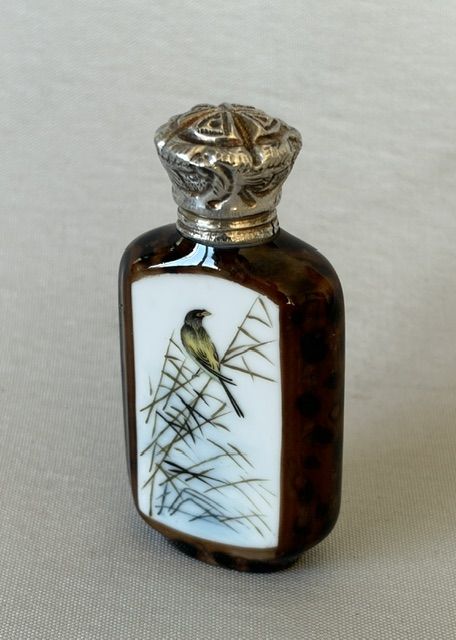
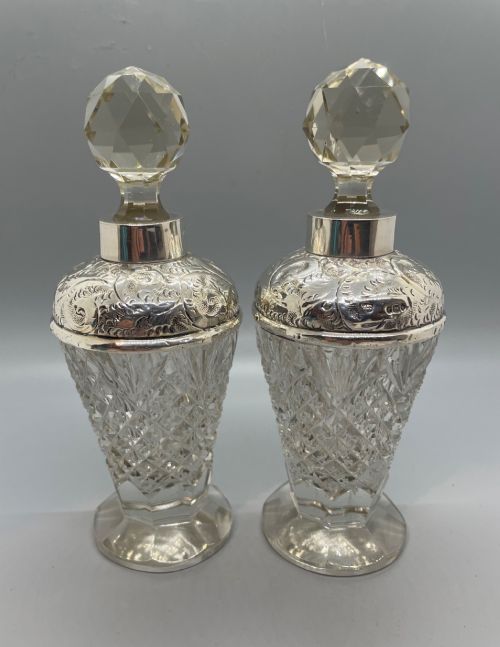
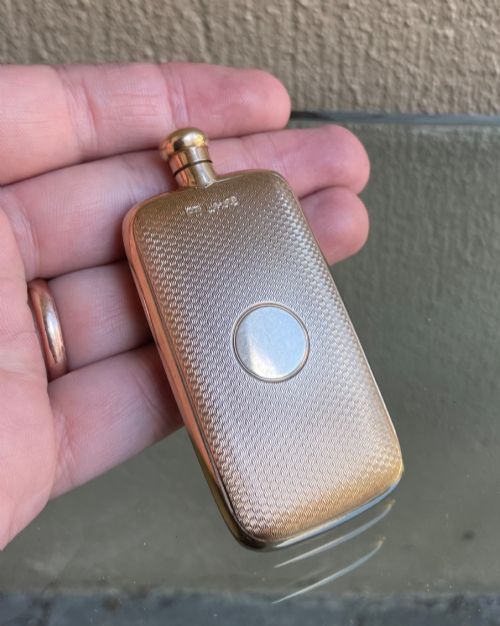
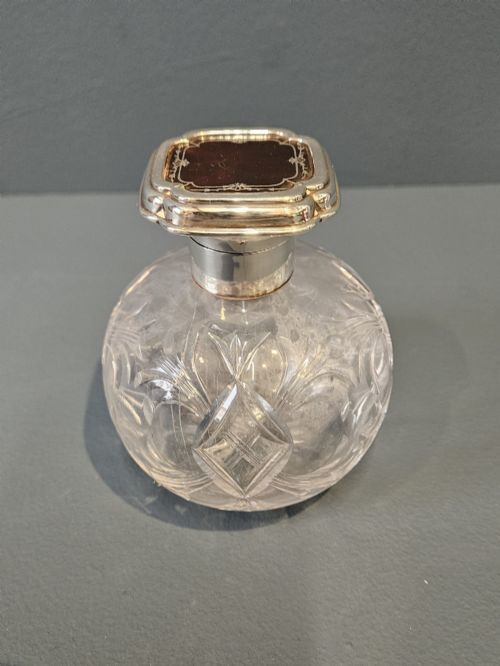
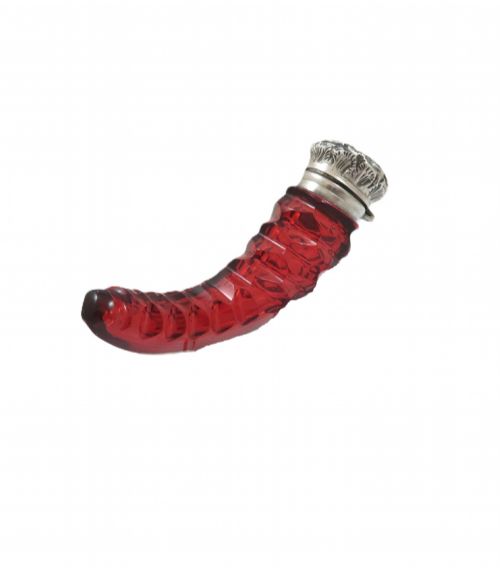
The edwardian scent flask appears most frequently in cut glass or cranberry glass mounted with sterling silver, alongside rarer examples in gold, porcelain and enamel. These portable toilet articles span the late nineteenth century through the early decades of the twentieth century, reflecting the periods catalogued in the listings.
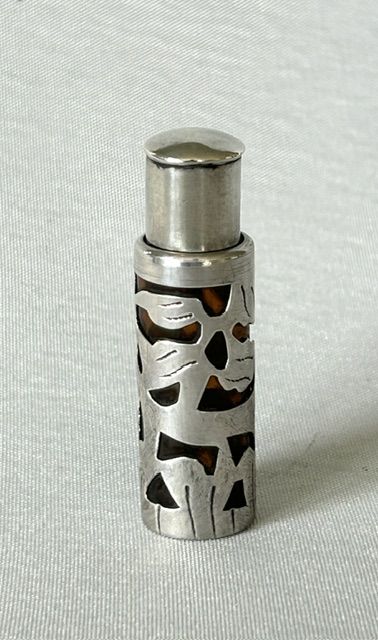
Makers produced pocket flasks, double-ended variants and overlay bottles designed for ladies and gentlemen. Forms range from miniature porcelain vases to silver-cased cylinders and figural designs like owls, reflecting the diverse output of English, French and American workshops.
Materials and construction
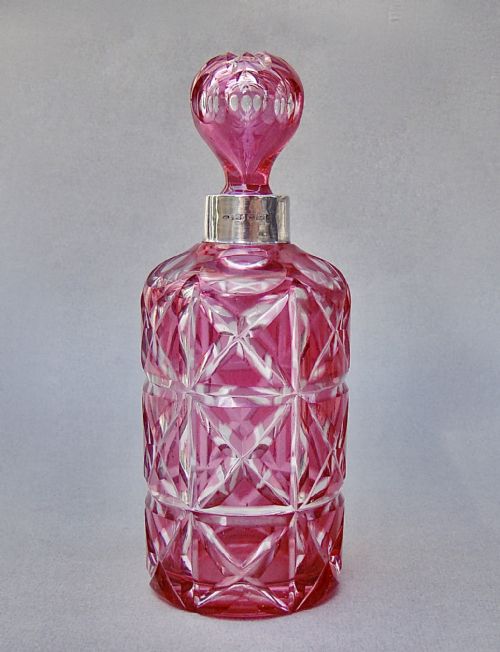
Craftsmen shaped glass bodies through blowing and cutting, producing clear, green, cranberry or ruby vessels often layered in glass overlay. Metalworkers then fitted these vessels with sterling silver or nine-carat gold caps, mounts and hinged lids, sometimes incorporating tortoiseshell or guilloche enamel.
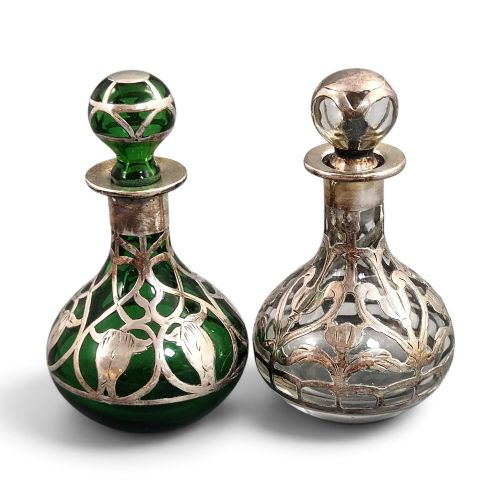
Silver components received hallmarks indicating assay offices and maker marks, while glass surfaces frequently featured deep wheel-cut facets or intricate sterling silver overlay designs soldered or clamped to the body.
Listings feature periods spanning from the Victorian era through the 1930s, encompassing Edwardian and George V reigns.
Quality variations in flasks
Quality rests in the weight and clarity of the glass, the crispness of the cut facets, and the thickness of the sterling silver mounts. Finely executed guilloche enamel work and intact, functioning silver hinges elevate certain pieces above standard utilitarian production.
The presence of named makers, identifiable hallmarks and specialised materials like cranberry glass or gold casing distinguish exceptional examples from simpler silver-mounted glass bottles.
Gorham·Harold Bushell and Co·Crown Staffordshire·Rene Lalique·G H James and Co·Barnsley and Co·Sampson Mordan
The Edwardian Scent Flask Glossary
- Guilloche enamel
- A decorative technique involving precise mechanical engraving beneath translucent enamel layers. This process creates repeating geometric patterns visible on silver bottle caps.
- Cranberry glass
- A rich red-pink glass coloured with gold chloride during production. It appears frequently in nineteenth and early twentieth century scent bottles.
- Overlay
- A layer of coloured glass applied over a contrasting body and partly cut away to expose the base layer. Silver overlay similarly encases glass in pierced metal decoration.
- Double end
- A scent bottle featuring compartments at both extremities, often housing two distinct fragrances or a salt compartment. These vessels typically use hinged silver caps at each end.
Edwardian Scent Flask: Frequently Asked Questions
What is an Edwardian scent flask?
An Edwardian scent flask is a small personal container used to carry liquid perfume or cologne during the early twentieth century and surrounding periods. These vessels allowed individuals to carry fragrances safely while travelling or attending social events.
They combine glass bodies with protective metal caps and mounts, serving both a functional and a decorative daily purpose.
How were these flasks used?
Owners filled the glass interiors with liquid perfume, cologne or smelling salts for personal refreshment throughout the day. The secure metal screw-caps or hinged lids prevented spills inside handbags and pockets.
Some specialised versions included dual compartments for separate scents or lockable mechanisms for secure storage by gentlemen.
How do I date a silver scent flask?
Dating relies on reading the hallmarks stamped onto the sterling silver mounts, which indicate the assay office, year letter and maker. Stylistic indicators like Art Nouveau organic curves or Art Deco geometry also help place the piece.
Comparison with documented periods from Victorian times through the 1930s provides a reliable chronological framework.
How should I display or store them?
These flasks sit well on dressing tables, mirrored trays or inside enclosed display cabinets where their glass and silver components catch the light. Positioning them away from direct sunlight protects any enamel work and coloured glass.
Handling them by the body rather than relying on old hinges preserves the antique metalwork during viewing.