




Edwardian Ruby Diamond Jewellery
Edwardian ruby diamond jewellery combines fiery red stones with brilliant gems in platinum and gold settings.
Edwardian Ruby Diamond Jewellery
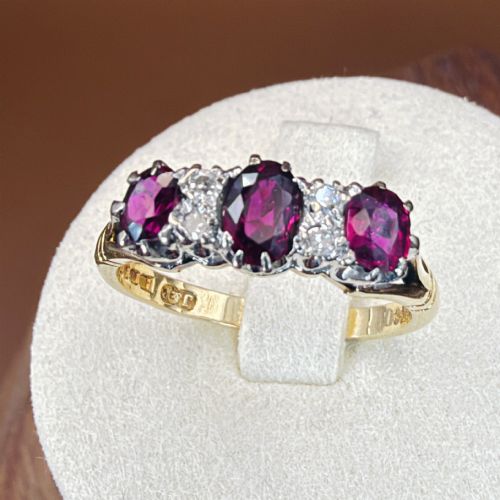
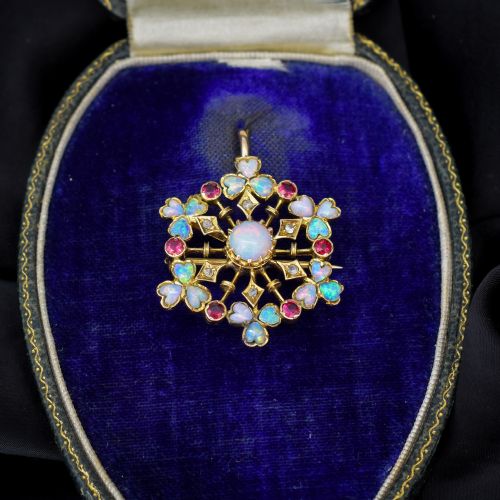
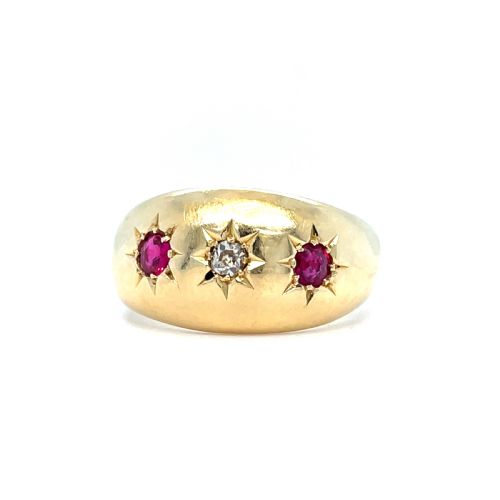
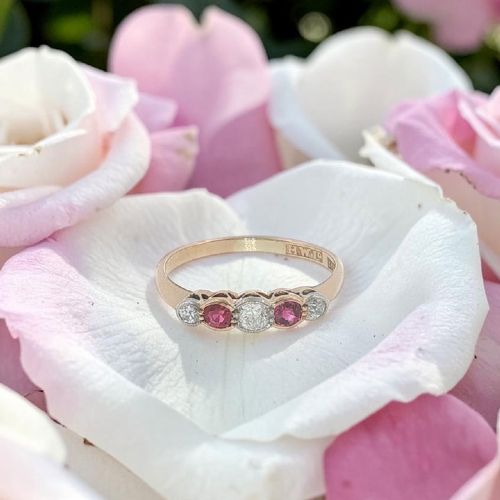
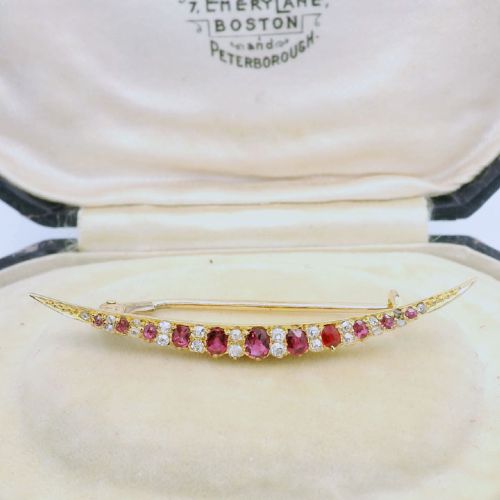
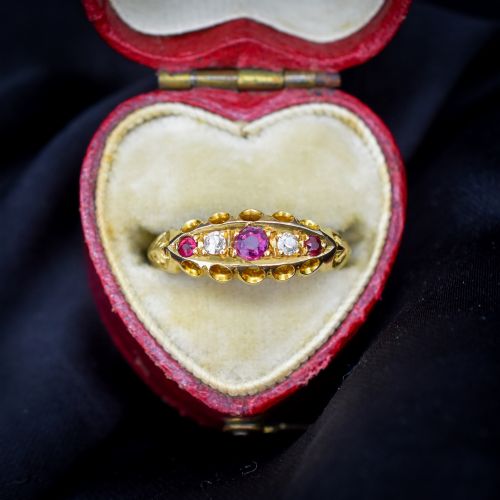
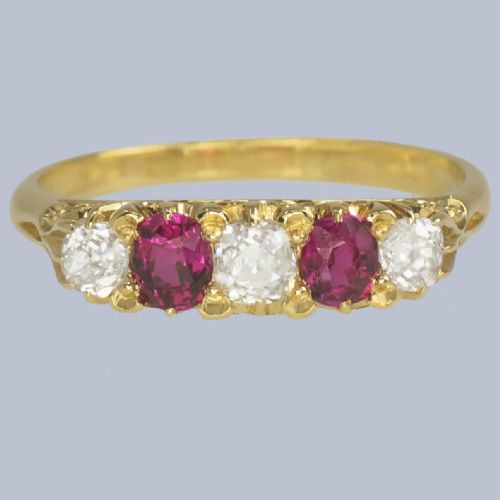
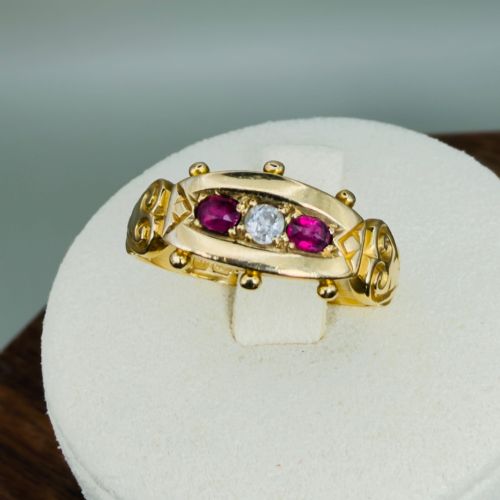
Edwardian ruby diamond jewellery comprises rings, brooches, bangles and pendants created during the early twentieth century and surrounding periods. When exploring edwardian ruby diamond jewellery, buyers encounter cluster rings, starburst designs, bar brooches and multi-stone settings.
How they were made
Goldsmiths utilised 18ct yellow gold, 9ct gold, and platinum to fabricate mountings that securely held rubies and diamonds. Platinum gained prominence during the Edwardian period for delicate openwork bow and garland motifs.
Gemstones feature old cut and old mine cut diamonds alongside natural rubies shaped into cabochons or faceted rounds. Metalwork techniques incorporate claw settings, starburst engravings and silver-topped gold integration.
Listings feature 18ct gold, platinum, and silver alongside yellow gold and white gold across multiple decades.
What varies in quality
The finesse of the metalwork and the saturation of the rubies determine the distinction between average and exceptional items. Superior examples display precise claw work, balanced stone proportions and minimal wear to the underlying structure.
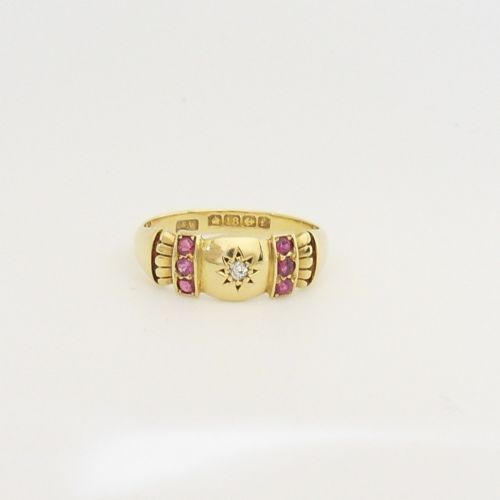
The integration of original old cut diamonds alongside matching ruby hues elevates the desirability of a piece. Hallmarks providing clear assay office origins, such as Chester or Birmingham, add documented provenance to the construction.
The Edwardian Ruby Diamond Jewellery Glossary
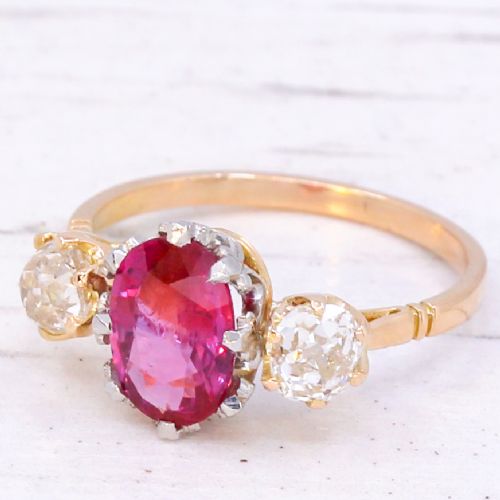
- Trilogy ring
- A ring featuring three principal stones, typically set horizontally across the finger. This layout often represents the past, present and future.
- Old cut diamond
- A diamond cut by hand before modern machinery standardised facets, resulting in smaller tables and higher crowns. These stones exhibit a distinctive warm glow under candlelight.
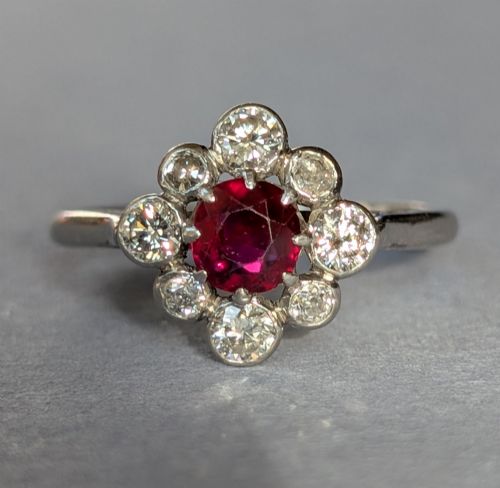
- Cluster ring
- A design where a central gemstone is surrounded by a border of smaller stones. In this inventory, rubies frequently occupy the centre encircled by diamonds.
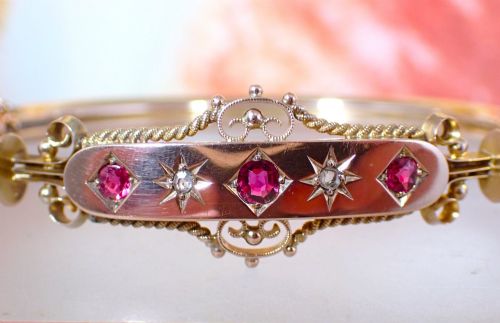
- Bar brooch
- A narrow horizontal pin of metal decorated with gemstones along its length. They were pinned to lapels and collars during the Victorian and Edwardian periods.
- Platinum
- A dense, ductile and malleable white metal prized for its strength. It allowed jewellers to create ultra-thin wirework and secure settings without bulk.
Edwardian Ruby Diamond Jewellery: Frequently Asked Questions
How do I clean my antique ring safely?
Warm soapy water and a soft brush remove everyday oils from the setting without harming the stones. Avoid harsh chemical dips that damage older gold alloys.
Dry the piece thoroughly with a lint-free cloth after washing. Professional inspection ensures the claws remain tight around the rubies and diamonds.
Can I wear an Edwardian brooch daily?
Pinning these items to sturdy fabrics prevents accidental bending of the pin stem or loss during movement. Lighter bar brooches sit well on wool coats and structured jackets.
Delicate openwork pieces require care to avoid catching on knitwear. Storing them in a dedicated box protects the platinum and gold frames from scratches.
What defines an Edwardian mounting?
Lightness and lace-like platinum work characterise the design aesthetic of the era. Jewellers favoured floral motifs, bows and garlands inspired by eighteenth-century French styles.
Yellow gold backs often support platinum-topped fronts in transitional pieces. This technique maximised the white brilliance of diamonds against dark evening attire.