



Edwardian Reading Glass
An edwardian reading glass offers clear magnification framed in silver plate or brass, serving both as a functional library aid and a handsome desk accessory.
Edwardian Reading Glass
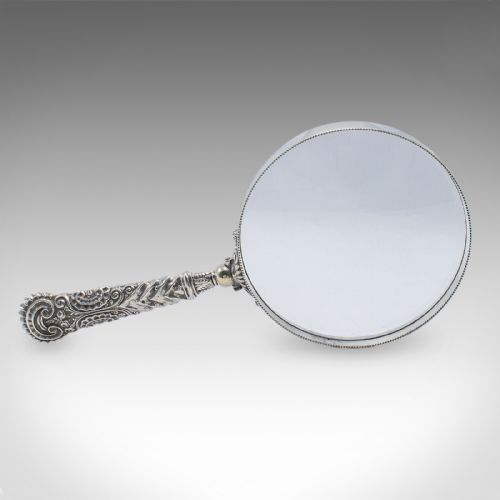
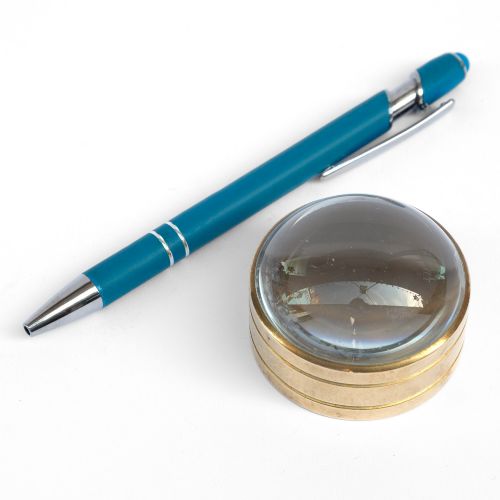
An edwardian reading glass encompasses handheld magnifying lenses with sterling silver handles, folding pocket lorgnettes, and heavy brass desk magnifiers designed for libraries and studies. The selection spans pieces housed in original boxes with leather cases alongside heavy pivoting lenses mounted on metal stands.
Most examples date from the early twentieth century, reflecting the ornate yet functional tastes of the period with decorative twists and simple wooden or metal mountings. Collectors encounter handheld tools bearing Birmingham hallmarks alongside larger library lenses intended for permanent placement on a desk.
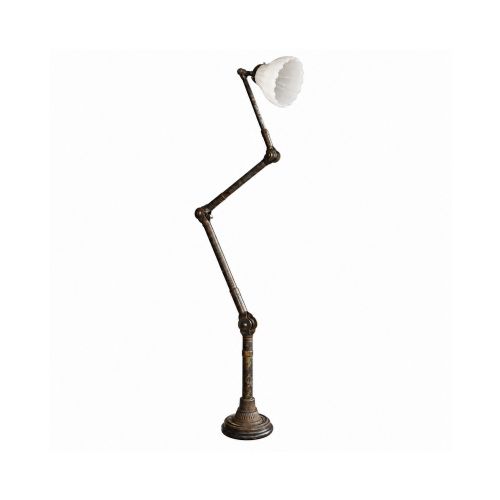
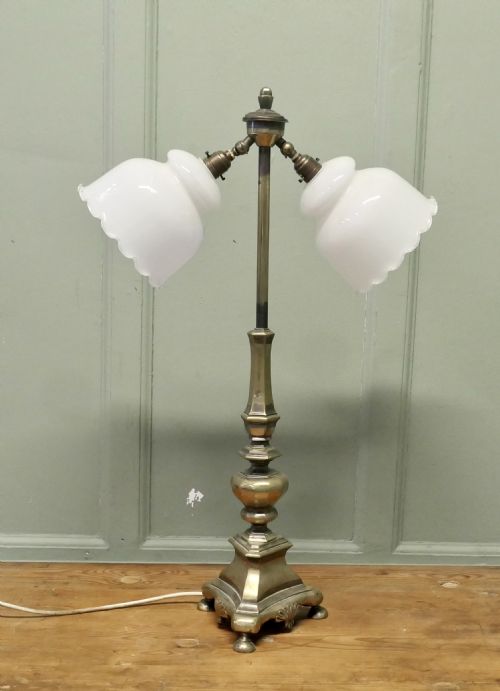
Beyond simple handheld magnifiers, the category stretches to include adjustable brass reading lamps and heavy desk accessories designed to assist with small print and detailed paperwork. These items combine practical illumination and optical assistance with the robust metalwork characteristic of the era.
Judging Quality and Craftsmanship
Quality rests in the weight of the metal frame and the optical clarity of the glass lens, where heavier brass mountings and distortion-free lenses represent superior manufacture. Pieces featuring fully operational pivoting joints or original silver hallmarks indicate higher workshop standards.
The presence of original fitted cases, neck lanyards, and maker patents distinguishes finer handheld pieces and lorgnettes from standard utility items. Superior examples display crisp chasing on silver handles and robust mechanical adjustment without slackness in the hinges or stands.
Tortoise shell style lorgnettes occasionally arrive tucked inside velvet-lined boxes smelling faintly of old paper and leather.
The Edwardian Reading Glass Glossary
- Magnifying glass
- An optical lens set within a frame that enlarges text or small objects for the reader. These typically feature handles made of silver or silver plate.
- Lorgnette
- A pair of spectacles or reading glasses held with a short handle rather than fitting over the ears. They often fold neatly into a protective leather case.
- Sterling silver
- A silver alloy containing a specific proportion of pure silver by mass, frequently used for the handles of luxury reading aids. Hallmarks stamped into the metal indicate the assay office and date.
- Silver plate
- A base metal coated with a thin layer of silver through electroplating or older mechanical methods. This technique provided the appearance of solid silver at a lower cost for desk accessories.
- Bullseye lens
- A thick, rounded glass lens designed to gather and focus light or magnify details effectively. These appear mounted on adjustable brass stands for desk use.
Edwardian Reading Glass: Frequently Asked Questions
How do I use an antique reading glass safely?
Hold the piece firmly by its handle or support the heavy brass frame with both hands to avoid straining the vintage joints. Keep the glass clean using a soft cloth and store folding lorgnettes securely in their original cases when not in use.
Avoid exposing older glass lenses to sudden temperature changes and protect silver handles from harsh chemical polishes. Display desk magnifiers on stable flat surfaces away from direct edges where they might roll or tip.
Were these pieces used only for reading books?
Libraries and studies utilised these optical aids for examining small print, maps, newspapers, and intricate legal documents. Heavy desk models remained stationary on tables for daily reference work.
Handheld silver versions and folding lorgnettes served as portable accessories for theatregoers, stamp collectors, and individuals needing occasional assistance with fine text away from home.
How do I distinguish an Edwardian piece from a Victorian one?
Edwardian designs generally favour lighter proportions, simpler lines, and influences from the Arts and Crafts movement, while Victorian items often display heavier ornamentation. Hallmarks on silver handles and registration numbers stamped into the metal help establish exact dates of manufacture.
Stylistic shifts toward early industrial forms and cleaner brass mountings around the turn of the century also signal the transition into the Edwardian era.
Can I polish the brass and silver parts?
Light dusting and occasional gentle cleaning with a specialised cloth maintain the metalwork without removing historic patina. Avoid abrasive cleaning compounds that can wear down thin silver plating or scratch softer brass surfaces.
Leaving a degree of age-related tarnish is often preferred by collectors, as it highlights the genuine historical character of the piece.