



Edwardian Period Jewellery
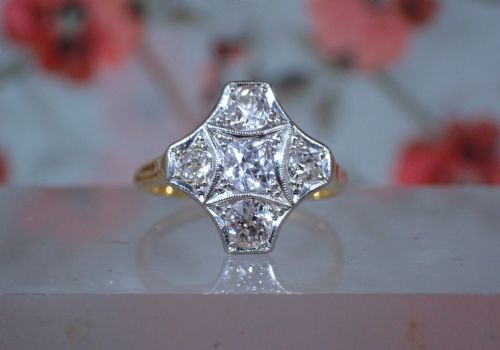
Edwardian period jewellery brings delicate platinum settings and old-cut diamonds together for an unmistakable look of light and grace.
Edwardian Period Jewellery
When you examine edwardian period jewellery, you are looking at items shaped by the delicate aesthetics of the early twentieth century alongside crossover pieces from adjacent decades. The selection spans rings, drop earrings, pendants, and bracelets, often bridging the Victorian era and the later Art Deco movement.
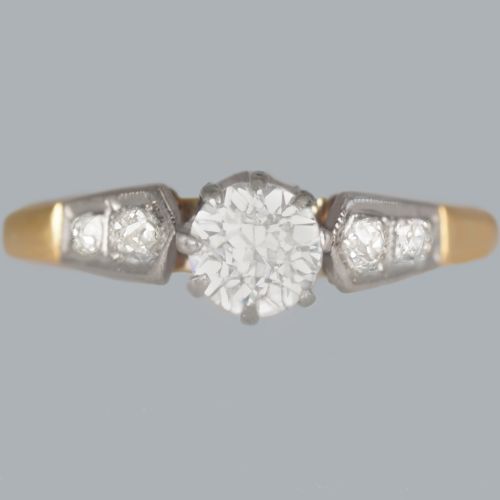
You are most likely to encounter diamond rings set in a combination of 18ct yellow gold and platinum, alongside pearl and peridot cluster rings. Drop earrings and diamond-set bracelets also appear frequently, reflecting the refined tastes of the period.
The materials and forms mirror a period of transition in design, moving from ornate nineteenth-century revivals toward geometric modernism. Alongside precious metals and stones, you will find occasional decorative boxes and pendants rooted in Chinese Republic and Arts and Crafts styles.
Materials and construction
Makers utilised platinum to create strong yet remarkably fine settings that could hold old European cut diamonds with minimal metal showing. This allowed light to pass through the stones from multiple angles, enhancing their brilliance.
Yellow gold frequently formed the structural bands of rings and the backing for mounted stones, paired with platinum on the face to give a bright backdrop to diamonds. Pearls and peridots were secured in delicate claw or cluster arrangements.
Alternative materials such as copper and leather appear in functional objects like cigar boxes and jewellery boxes, showing the same attention to craftsmanship as wearable pieces.
Edwardian Period Jewellery Retail Price Guide 2026
Typical asking prices for edwardian period jewellery among the pieces listed under this phrase on Sellingantiques today, from the lower quarter to the upper quarter. They describe what is for sale here now, not the wider market.
A solitary porcupine quill box quietly reminds us that Edwardian craftsmen would decorate storage containers with anything from gemstones to local quills.
Judgements of quality
The finesse of the metalwork distinguishes superior pieces, particularly where platinum has been pierced or milled into intricate garland patterns. Finer items display crisp detailing that remains sharp under close inspection.
Stone selection and matching play a major role in the overall standard of a piece, whether dealing with graduated old-cut diamonds or uniform pearls and peridots. Skill in setting ensures stones sit securely while appearing light and unsupported.
The Edwardian Period Jewellery Glossary
- Old European cut
- A diamond cut popular before modern brilliant faceting, characterised by a small table, high crown, and large open culet. These stones catch candle or gas light with a distinctive, warm glow.
- Platinum
- A dense, strong white metal that gained widespread use in fine jewellery during this era because it allowed for ultra-thin wirework and secure prong settings. It does not tarnish or lose its bright finish.
- Cluster ring
- A design featuring a central gemstone surrounded by a border of smaller stones, frequently diamonds or pearls. This arrangement maximises visual impact and perceived size.
- Peridot
- A yellowish-green gemstone prized in the early twentieth century for its fresh, vibrant colour. It was often paired with pearls in yellow gold settings.
Edwardian Period Jewellery: Frequently Asked Questions
What defines edwardian period jewellery?
These pieces are characterised by light platinum work, old European cut diamonds, and graceful motifs influenced by the early twentieth century. They often combine platinum faces with yellow gold shanks.
The selection includes rings, pendants, and earrings that bridge late Victorian styles and the geometric lines of the Art Deco era.
How should I care for these items?
Precious metals and old-cut stones require gentle cleaning with a soft brush and warm soapy water. Avoid harsh chemical dips that can damage pearls or softer gems.
Store pieces individually in lined boxes to prevent platinum settings from scratching softer gold or adjacent stones.
Can I wear these pieces daily?
While platinum and gold are durable, the delicate piercing and fine settings found in this category benefit from mindful wear. Removing rings before heavy lifting or gardening protects the structural integrity.
Earrings and pendants face fewer daily hazards and adapt readily to regular rotation in a modern wardrobe.
How do I distinguish Edwardian from Art Deco pieces?
Edwardian items tend to lean towards flowing garlands, bows, and naturalistic curves executed in platinum. Art Deco items introduce stricter geometry, symmetry, and bolder contrasts.
Overlap occurs frequently because makers continued traditional techniques while adopting newer stylistic influences during the transition between decades.