



Edwardian Paste Pendant
These edwardian paste pendant pieces combine brilliant glass stones with precious metals, offering the sparkle of fine gems with distinct period character.
Edwardian Paste Pendant
An edwardian paste pendant brings together intricate metalwork and glass gems designed to catch the light. The pieces on this page span the Edwardian era, the Victorian period, and the turn of the twentieth century, reflecting the tastes of those times.
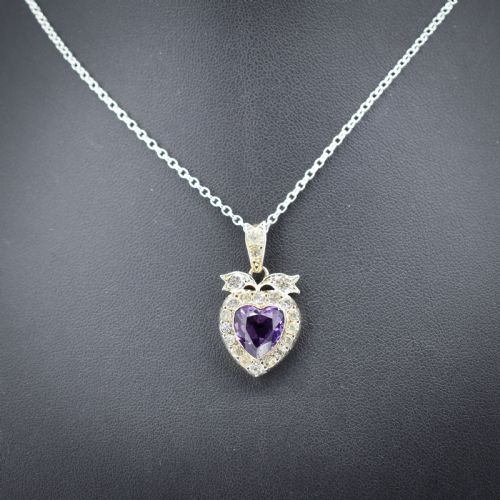
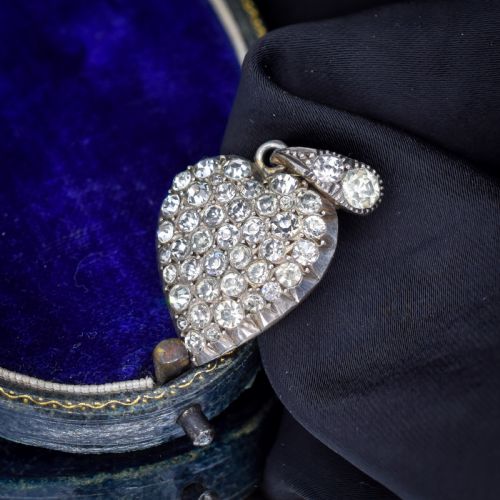
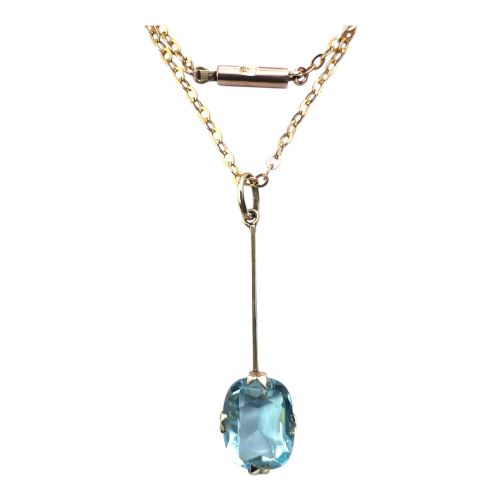
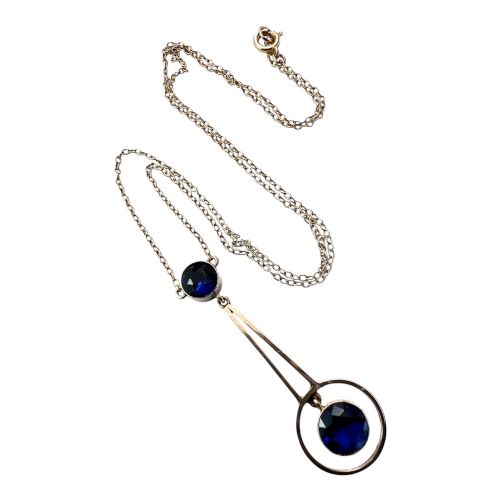
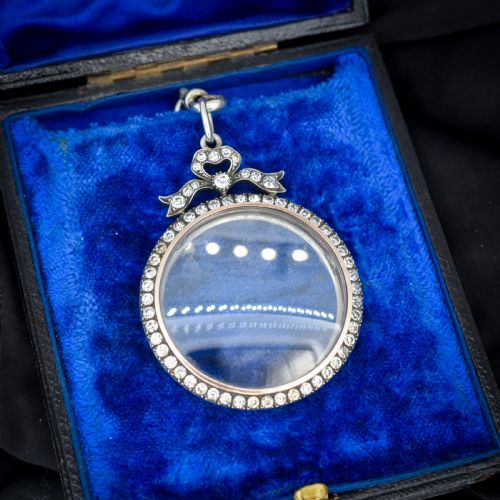
You will encounter heart motifs, bow shapes, drop necklaces, and lavalier pendants amongst the selection. These forms utilise sterling silver, 9ct gold, and occasionally 18ct gold or 15ct gold as settings for the coloured paste stones.
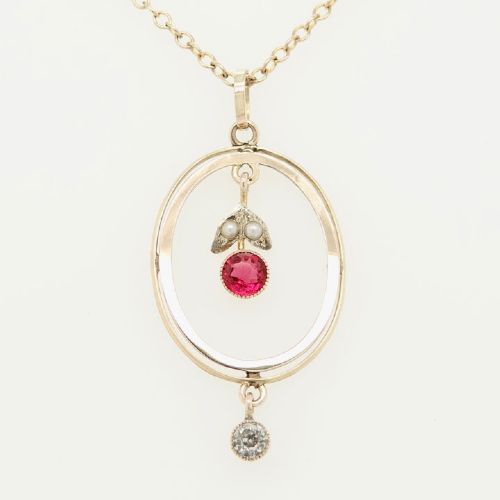
Many examples incorporate seed pearls alongside green, purple, blue, or colourless paste glass. The designs range from simple floral drops to elaborate Austro-Hungarian styles and secret lockets.
Materials and construction
Goldsmiths and silversmiths shaped sterling silver, 9ct gold, and 15ct gold into delicate frames, filigree settings, and solid backings. These metals provide both structural support and contrasting colour to the stones.
Master artisans cut glass by hand to imitate diamonds, amethysts, emeralds, aquamarines, and sapphires. They secured these paste stones into closed or open-back settings alongside natural seed pearls.
Techniques varied from cast gold drops to intricate silver filigree work and hinged locket construction. Enamel and marcasite occasionally supplement the primary stones and metals.
Edwardian Paste Pendant Retail Price Guide 2026
Typical asking prices for edwardian paste pendant among the pieces listed under this phrase on Sellingantiques today, from the lower quarter to the upper quarter. They describe what is for sale here now, not the wider market.
Some pendants double as brooches, allowing Edwardian wearers to pin their glass garden to a lapel or hang it from a chain.
Distinctions in quality
The precision of the stone cutting and the clarity of the paste glass define the upper tier of these jewels. Hand-cut old stones display sharp facets that manipulate light differently than simpler moulded glass.
The complexity of the metalwork separates standard items from finer works. Delicate seed pearl arrangement, multi-metal integration, and detailed silver filigree demand advanced bench skills.
The weight and purity of the gold or silver mountings influence the overall substance of the item. Heavier gauge precious metals and intact original chains or lockets elevate the piece.
Liberty & Co
The Edwardian Paste Pendant Glossary
- Paste
- Hand-cut and polished lead glass used to imitate gemstones. It captures light with remarkable brilliance when shaped by skilled hands.
- Lavalier
- A pendant necklace featuring a central drop suspended from a chain. This style gained immense popularity during the Edwardian period.
- Giardinetti
- A jewellery design depicting a small garden of flowers in a pot or basket. These motifs utilise various coloured paste stones to represent blooms.
- Filigree
- Delicate openwork jewellery formed from twisted fine threads of gold or silver soldered together. It creates a lace-like pattern within the pendant frame.
- Old cut
- A vintage diamond-cutting technique adapted for paste stones, featuring a small table and deep pavilion. It produces a softer, warmer sparkle than modern brilliant cuts.
Edwardian Paste Pendant: Frequently Asked Questions
What is paste jewellery?
Paste is a heavy, high-refractive-index glass that artisans hand-cut and polish to imitate genuine gemstones. During the Edwardian period, jewellers valued paste for its own bright optical qualities rather than purely as a diamond substitute.
Craftsmen set these glass stones into silver and gold mounts with the same care applied to precious gems. This resulted in vibrant, light-catching ornaments that defined early twentieth-century fashion.
How do I care for an edwardian paste pendant?
Paste glass is softer than diamond or sapphire and susceptible to scratching if stored improperly. Keep your pendant in a lined box away from other pieces to protect both the stones and the delicate metalwork.
Avoid submerging antique paste jewellery in water, as moisture can seep behind closed-foil backs and discolour the foil. Clean only with a dry, soft cloth to maintain the polish of the metal and glass.
What distinguishes Edwardian from Victorian pendants?
Victorian pieces often display heavier gold weights, darker stones, and robust romantic or mourning motifs. They tend to feel substantial and grounded in design.
Edwardian work shifts toward lighter, airier aesthetics like platinum-topped gold, fine silver filigree, and pastel-coloured stones. Garlands, bows, and lace-like patterns dominate this later period.
Were paste pendants considered valuable originally?
Fine paste jewellery was expensive to produce during the eighteenth and nineteenth centuries due to the labour-intensive hand-cutting of the glass. Wealthy patrons wore paste alongside real gems for evening events.
While the materials are not inherently precious like large diamonds, the artistic skill required to create these settings ensured their high status. Today, collectors prize them for their surviving craftsmanship and design.