
Edwardian Open Shelf Unit
An Edwardian open shelf unit offers practical book storage and display, bringing period character and warm timber tones into a room.
Edwardian Open Shelf Unit
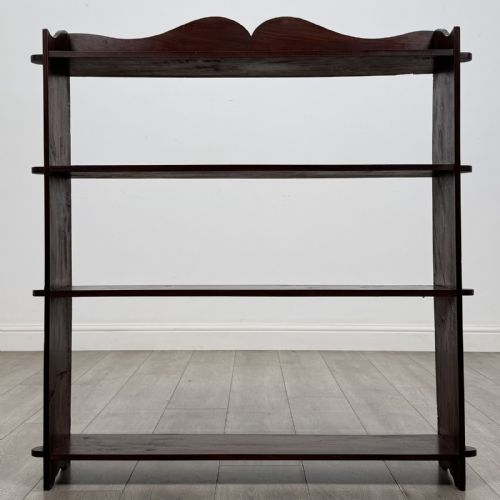
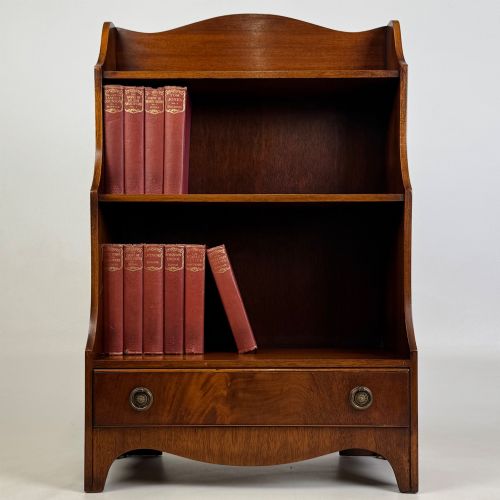
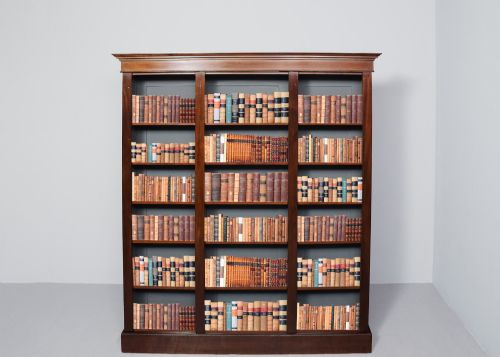
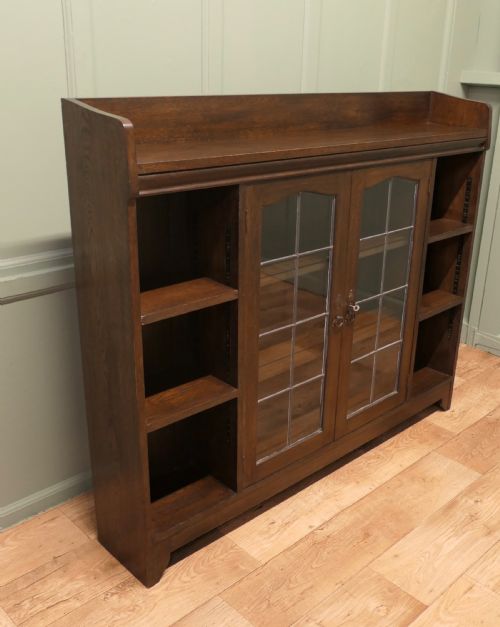
When searching for an edwardian open shelf unit, buyers encounter items spanning the late nineteenth century through to the early twentieth century, including pieces from the Edwardian period alongside Victorian and nineteen-thirties examples. These items take the form of bookcases, shelving units, wall shelves, whatnots, and corner display cabinets.
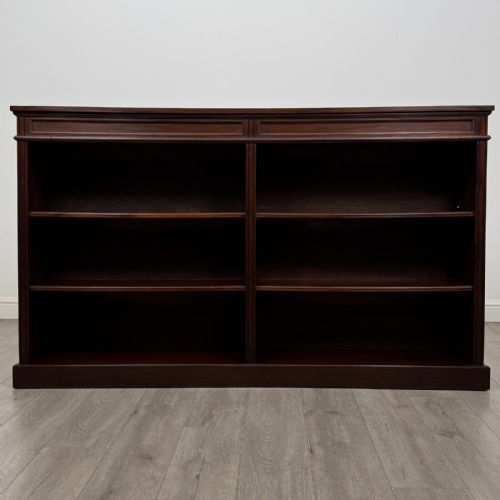
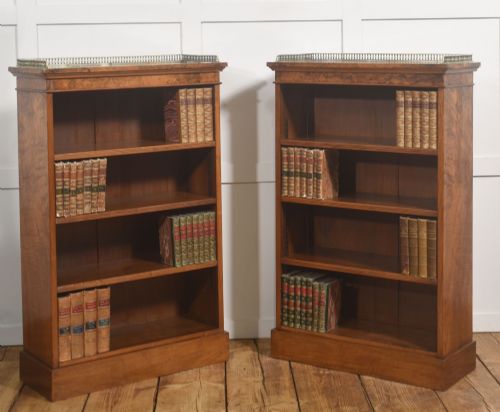
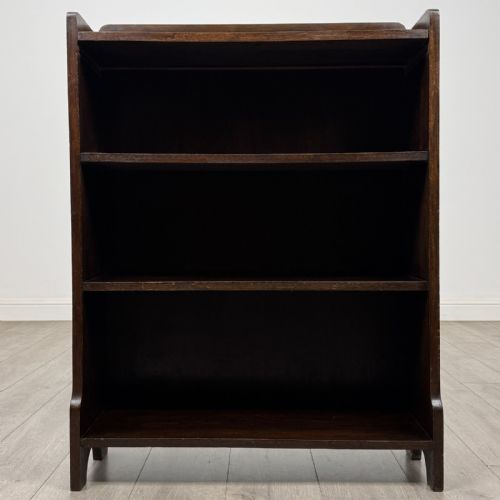
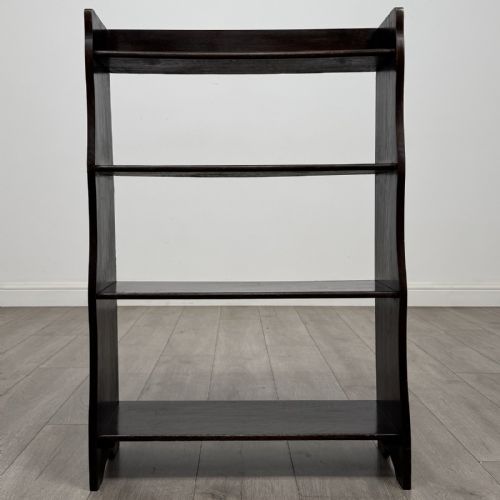
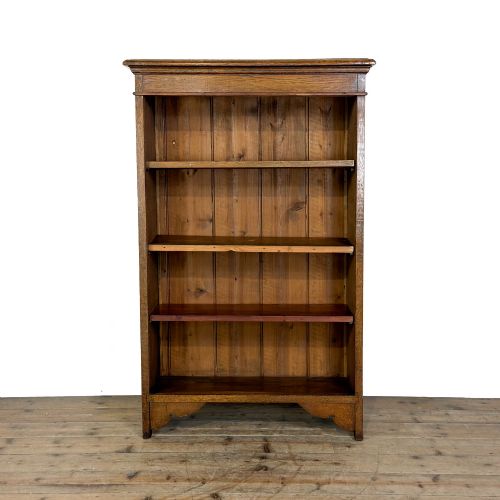
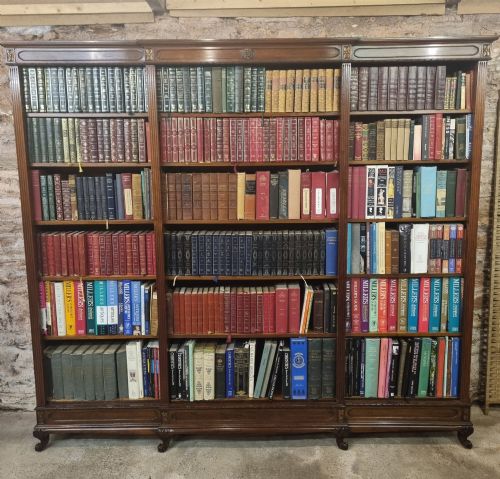
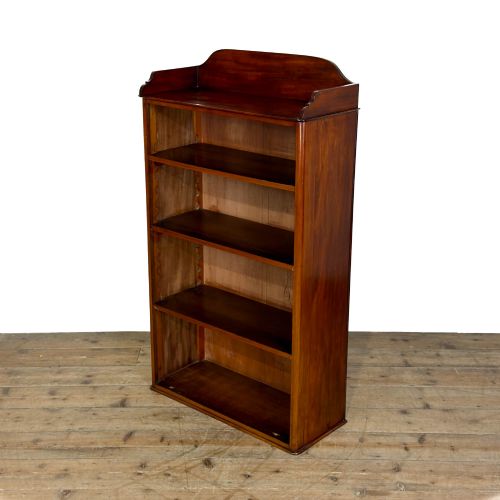
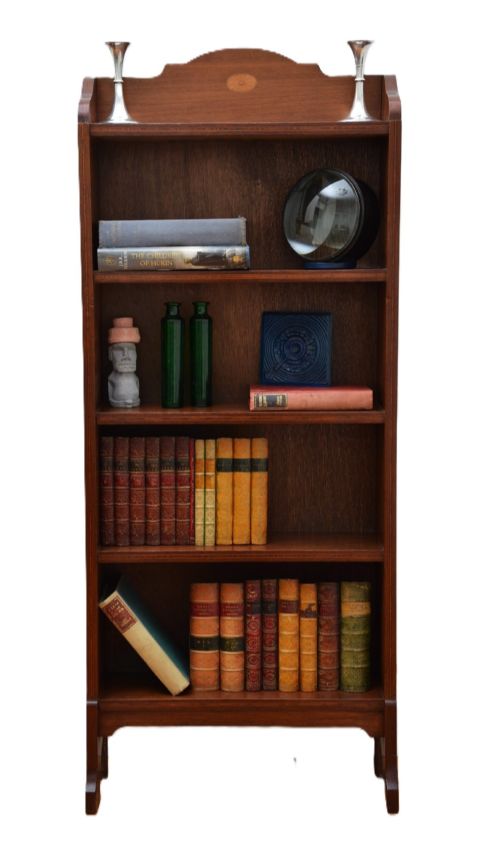
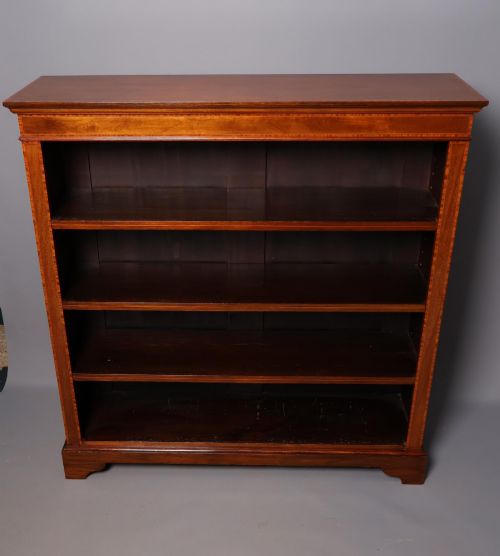
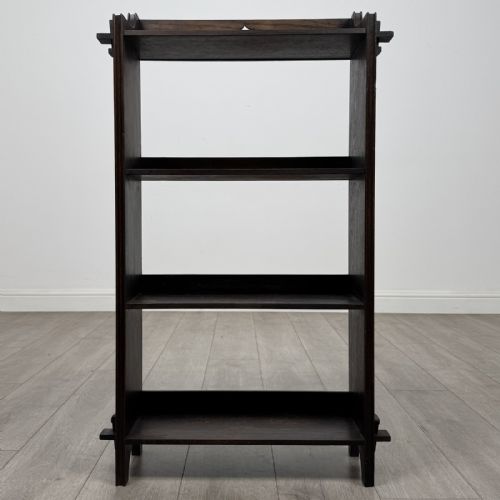
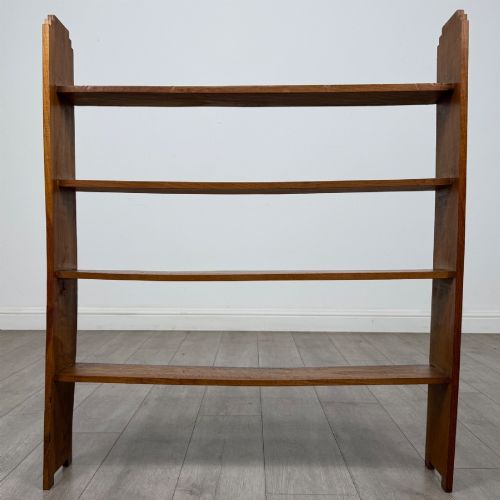
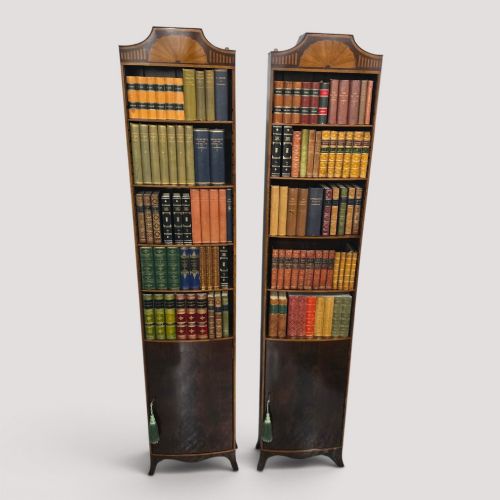
The version most commonly met on this page is the oak or mahogany bookcase featuring multiple open shelves, sometimes complemented by a raised gallery, canted corners, or inlaid satinwood details. Certain variations incorporate lower cupboard doors, shaped sides, or brass galleries, providing enclosed storage beneath the open tiers.
Materials and construction
Makers constructed these pieces primarily using solid timbers and veneers such as oak, mahogany, walnut, and burr walnut, occasionally incorporating satinwood inlay for decorative contrast. Structural hardware frequently involves brass fittings, including galleries and castors.
Joinery techniques produced sturdy frameworks designed to support heavy volumes, utilising adjustable shelving systems and beaded edges. Surfaces received careful polishing to highlight the natural grain of the wood, while specific Arts and Crafts examples display carved details.
Several bookcases roll smoothly across the floor on original brass castors, ready to follow your reading habits from corner to corner.
Distinctions in quality
Quality varies through the selection of timber figures, such as burr walnut or figured mahogany, and the precision of inlaid satinwood banding. Superior examples display refined proportions, balanced carving, and thoughtful details like brass galleries or shaped sides rather than plain construction.
The integrity of the frame and the smoothness of adjustable shelving mechanisms also separate finer pieces from standard utilitarian items. Selection of native and exotic woods reflects the ambition of the original workshop.
The Edwardian Open Shelf Unit Glossary
- Canted corners
- Vertical edges that are bevelled or angled off rather than square. This detail softens the silhouette of a bookcase.
- Gallery
- A raised raised railing or border along the top shelf of a unit, designed to prevent items from sliding off. These are frequently fashioned in brass.
- Waterfall bookcase
- A tiered shelving unit where each successive shelf steps back from the one below it. The profile resembles cascading water.
- Satinwood inlay
- Contrasting light-toned wood embedded into the primary timber surface to create decorative borders or motifs. It provides a bright visual accent against dark mahogany.
Edwardian Open Shelf Unit: Frequently Asked Questions
What is an edwardian open shelf unit?
An edwardian open shelf unit is a piece of furniture designed for holding books and displaying objects without the restriction of doors.
These pieces typically date from the early twentieth century and utilise timbers such as oak and mahogany.
How do I use an open shelf unit?
These units suit studies, living rooms, and hallways for organising collections of books, ceramics, and ornaments.
The open design allows for immediate access and visible arrangement of everyday items.
Are the shelves adjustable?
Many examples feature adjustable shelves supported by brackets or tracks, allowing customization for different book heights.
Fixed shelving also occurs in smaller or simpler variations.
How do I distinguish Edwardian from Victorian pieces?
Edwardian units generally display lighter oak timbers and simpler, restrained lines compared to heavier, darker Victorian counterparts.
Victorian items occasionally incorporate more ornate carving and dense mahogany or walnut construction.