

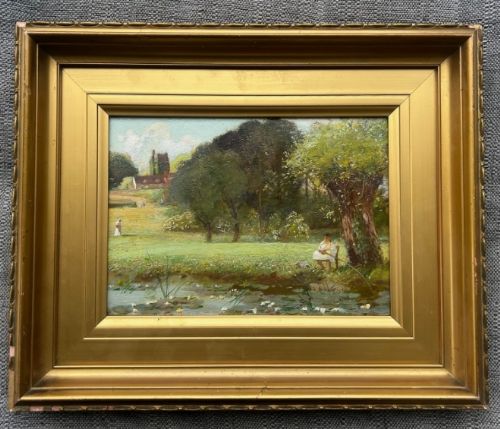


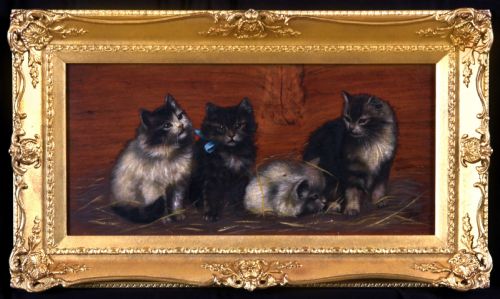

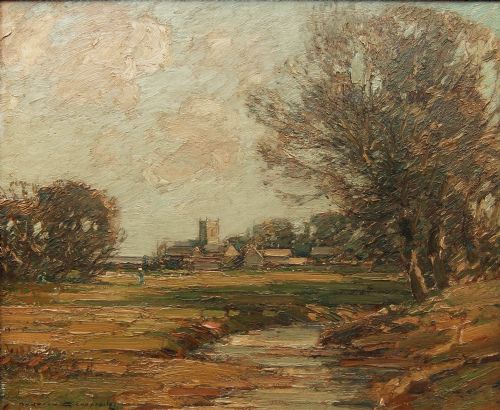

Edwardian Oil on Panel
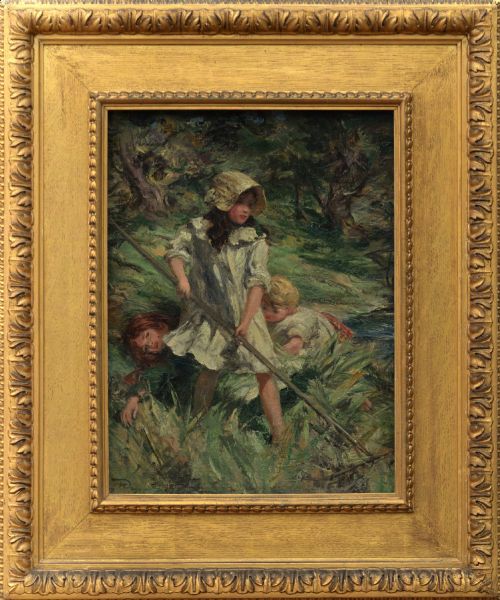
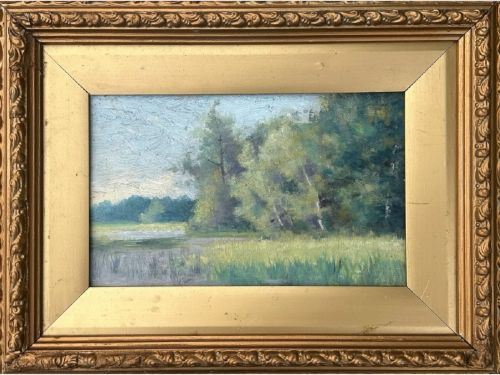
Edwardian oil on panel paintings capture quiet landscapes, coastal scenes, and domestic subjects rendered with oil paint on firm wooden supports.
Edwardian Oil on Panel
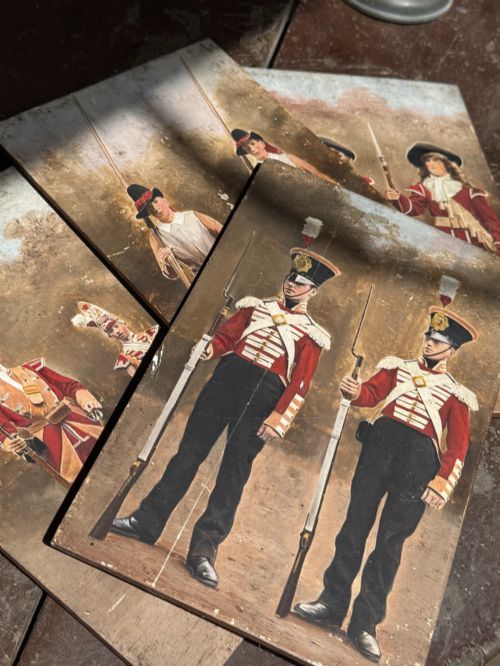
When searching for edwardian oil on panel, a buyer encounters original works executed on wood or board supports during the early twentieth century. These paintings range from pastoral British landscapes and river scenes to Dutch marine subjects and intimate animal studies.
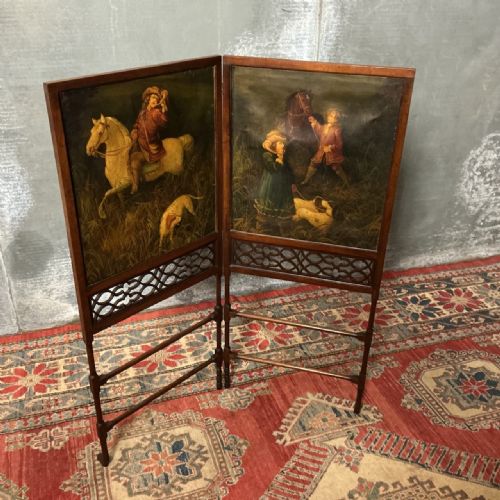
The pieces on this page span the Edwardian era and surrounding decades, including works dated from nineteen hundred through the nineteen thirties, alongside a Victorian example. They encompass framed fine art as well as functional decorative items such as mahogany fire screens set with paintings.
Subjects frequently reflect contemporary artistic interests, capturing natural light in British impressionist styles or traditional marine compositions. Canvas is occasionally represented, but panel remains the primary support for these smaller, portable works.
How they were made
Artists applied oil paint directly onto prepared wood panels or boards, utilising the rigid surface to achieve fine brushwork and smooth tonal gradations. These panels provide a stable ground that resists the slackening associated with fabric supports.
Many works are housed in their original frames, which frequently incorporate gesso and gold leaf detailing to complement the composition. The combination of oil paint on wood panel within a gilt frame defines the physical makeup of these pieces.
Edwardian Oil on Panel Retail Price Guide 2026
Typical asking prices for edwardian oil on panel among the pieces listed under this phrase on Sellingantiques today, from the lower quarter to the upper quarter. They describe what is for sale here now, not the wider market.
Listings feature oil paint, wood panels, gesso, and gold leaf within Edwardian and British Impressionist styles.
What varies in quality
The distinction between works rests upon the confidence of the brushwork and the clarity of the subject, whether depicting landscape atmosphere or animal detail. Signed pieces by established artists demonstrate a higher degree of execution in composition and handling.
The condition of the painted surface and the preservation of the original wooden panel or surrounding frame influence the overall integrity of the piece. Frames featuring intact gesso and gold leaf contribute to the completeness of the object.
Robert Duddingstone Herdman·Maud Raphael Jones·Sir David Murray·Pieter Cornelis Dommersen·Kershaw Schofield·William Greaves·Owen Bowen·Joseph Vickers de Ville·Bessie Bamber
The Edwardian Oil on Panel Glossary
- Oil on panel
- A painting executed with oil paint on a rigid wooden support rather than flexible canvas. This technique allows for precise detail and lasting stability.
- Gesso
- A plaster-like mixture applied to wooden frames or panels as a base for gilding or painting. It provides a smooth surface for subsequent layers of gold leaf.
- Gold leaf
- Thin sheets of beaten gold applied to picture frames for decorative effect. It enhances the visual weight and period character of the artwork.
- British Impressionism
- A painting style characterised by visible brushstrokes and an emphasis on natural light. Artists working in this manner sought to capture momentary atmospheric conditions.
Edwardian Oil on Panel: Frequently Asked Questions
What is an oil on panel painting?
An oil on panel painting is a work created using oil-based pigments applied to a rigid wooden support. This method was widely utilised by artists seeking a stable and smooth surface for detailed brushwork.
Unlike fabric canvas, wood panels do not slacken over time, preserving the tautness and clarity of the original composition.
How should I clean my painting?
Surface dust should be gently removed from the panel and frame using a soft, dry brush. Avoid applying moisture or chemical cleaning agents directly to the painted surface.
Consult a professional conservator if the oil paint requires deeper cleaning or if the gesso frame shows signs of flaking.
Where should I hang these works?
These paintings are best displayed away from direct sunlight and sources of excessive heat or humidity. Stable indoor environments prevent the wood panel from warping and protect the oil paint.
Ensure the wall fixings are secure and appropriate for the weight of the framed artwork.
How can I identify the period?
Period identification relies on stylistic cues, artist signatures, and framing materials characteristic of the early twentieth century. Many works bear dates or signatures inscribed directly onto the panel.
The use of specific wooden supports and traditional gesso frames further assists in dating the piece accurately.