

Edwardian Occasional Stand
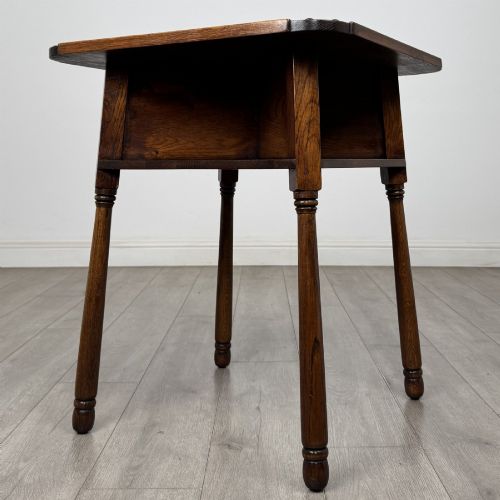
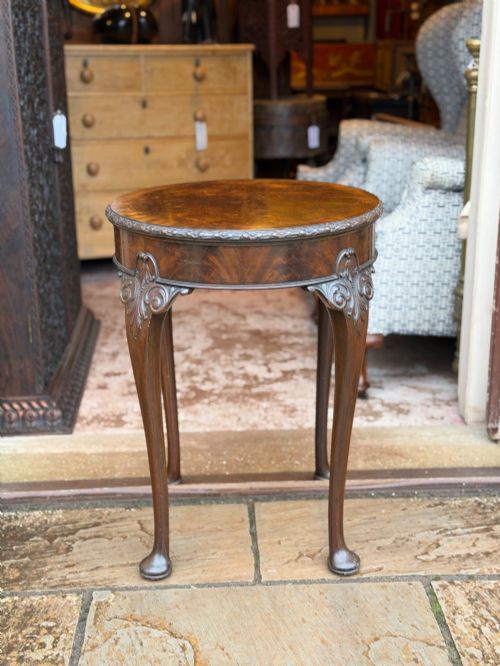
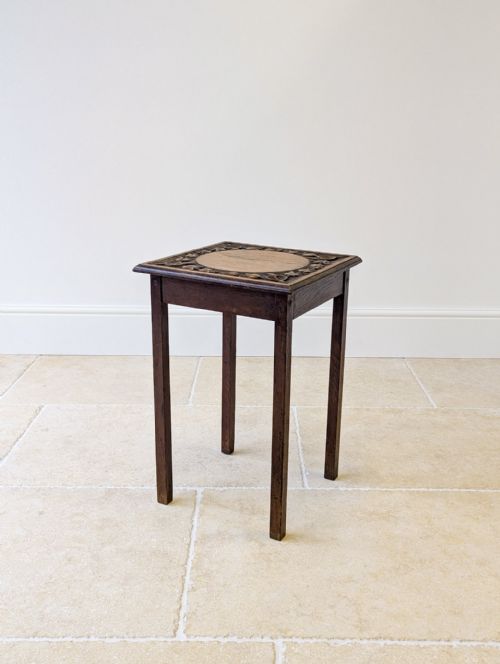
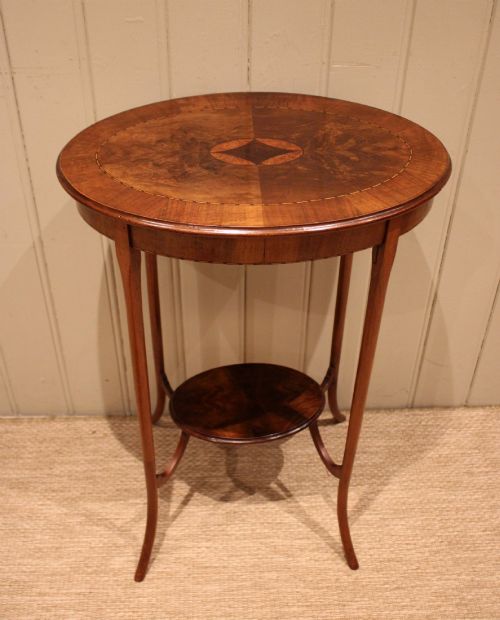
An edwardian occasional stand brings compact utility and refined timber to a room, offering a convenient surface for lamps or books.
Edwardian Occasional Stand
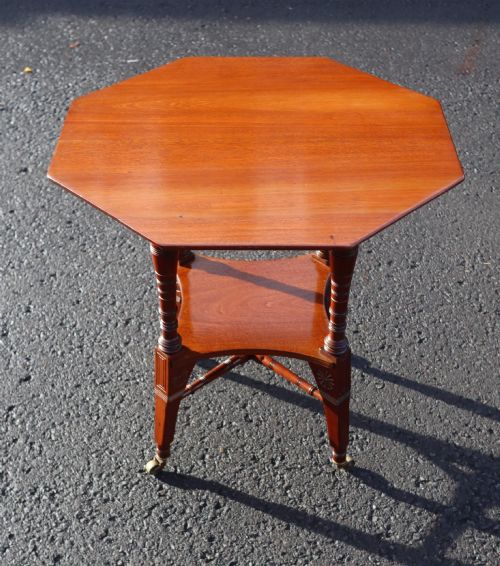
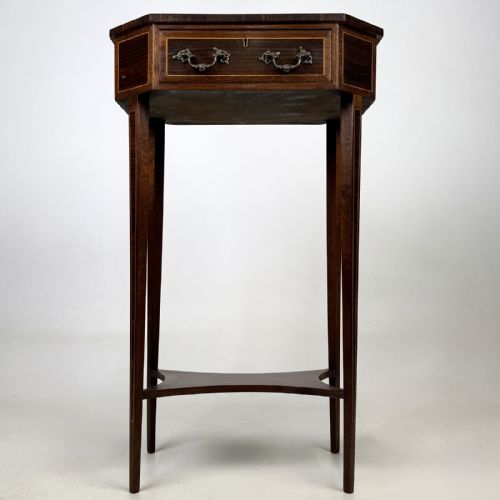
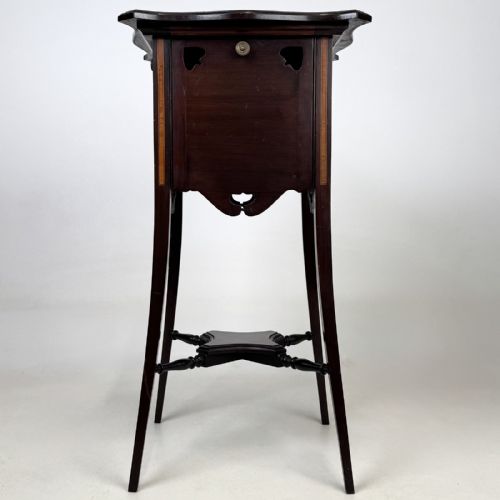
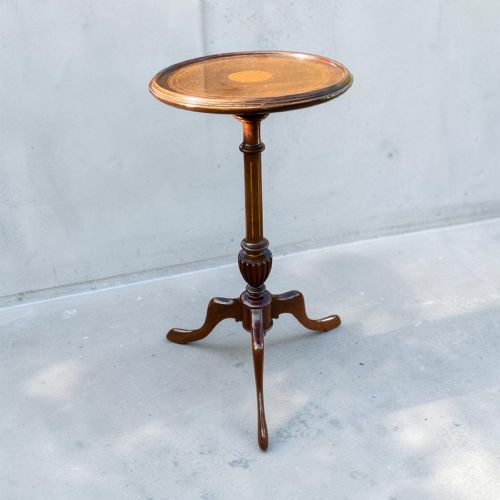
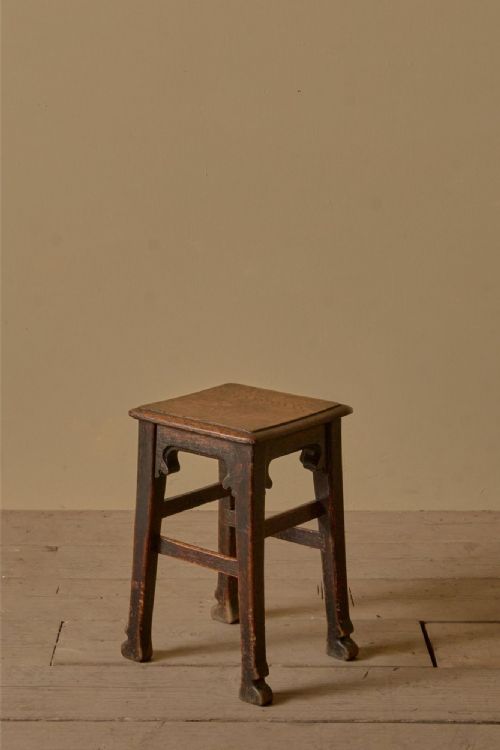
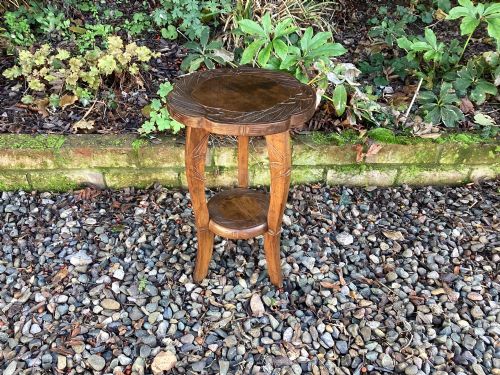
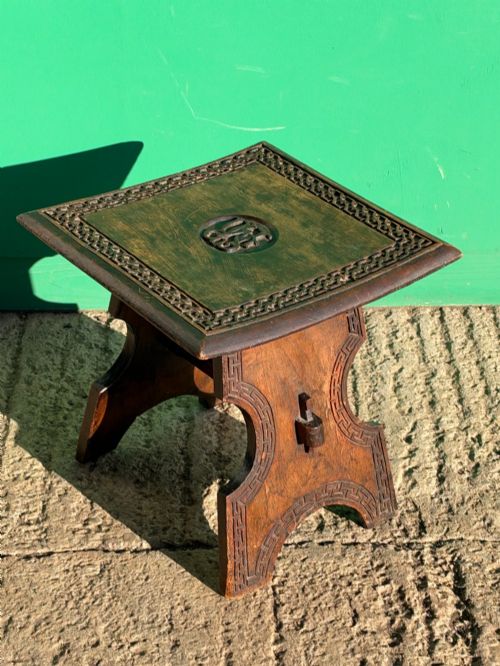
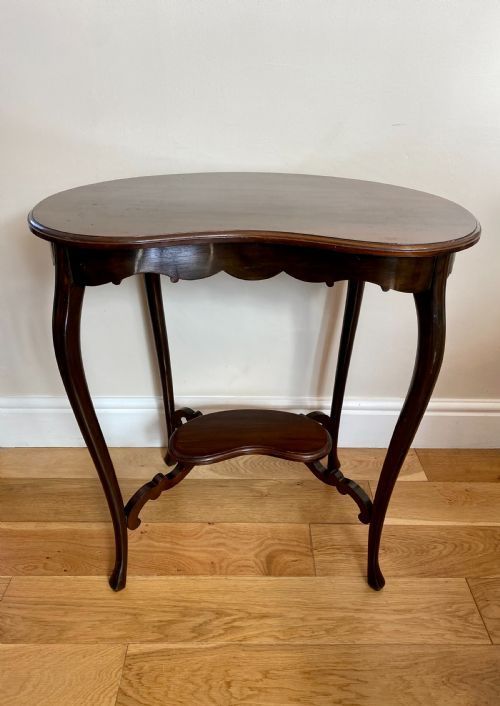
The edwardian occasional stand encompasses a diverse group of small, moveable tables designed to serve flexible purposes within a domestic interior. These versatile pieces frequently appear as lamp tables, wine tables, side tables, and plant stands intended to sit beside seating or in corners.
While many examples originate directly from the Edwardian period, the selection also draws upon Victorian, Arts and Crafts, and later twentieth-century styles. Timber forms dominate the listings, ranging from mahogany and oak to walnut, satinwood, and kingwood.
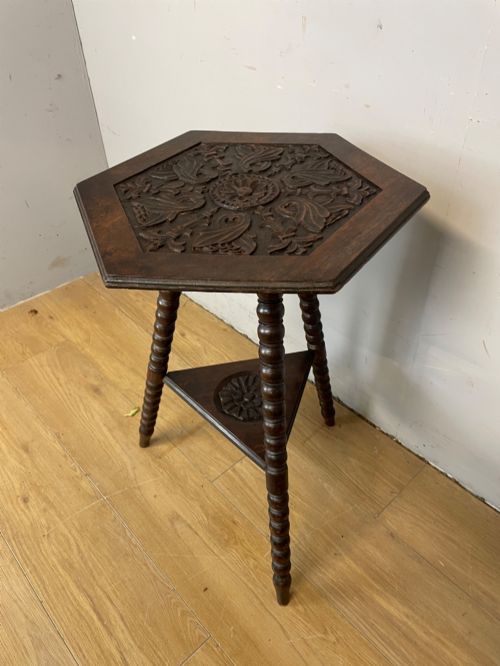
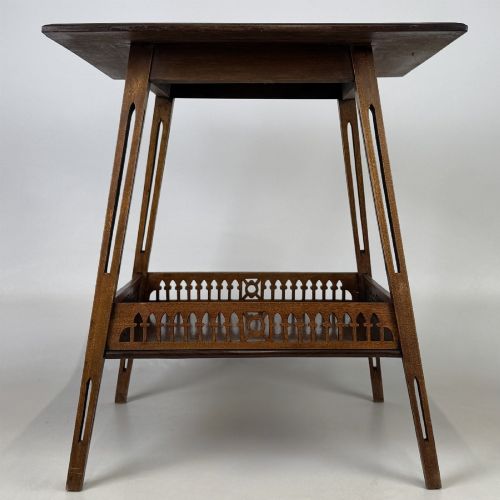
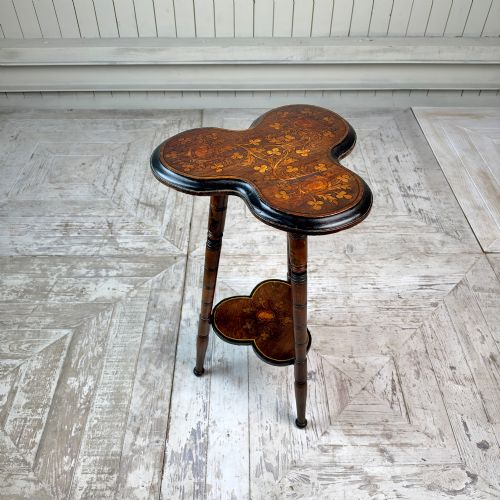
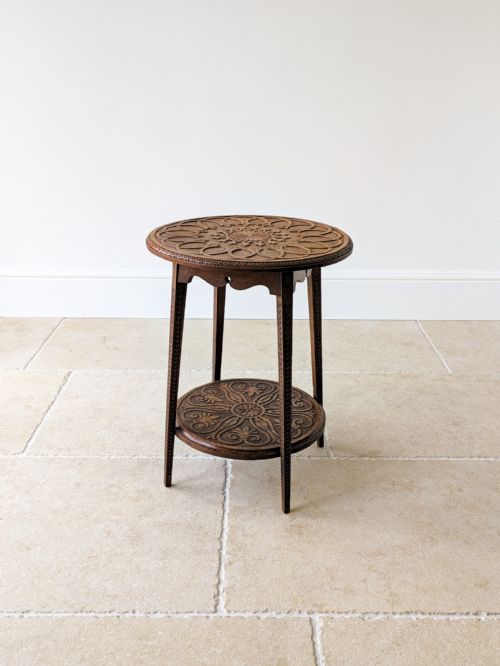
The physical form varies from simple round and octagonal tops supported by tripod legs or central pillars to multi-tiered étagères and designs featuring lower shelves or brass galleries. This variety reflects the era's taste for adaptable furniture that could easily be shifted to suit changing household needs.
How They Were Made
Cabinetmakers utilised dense hardwoods such as mahogany, oak, and walnut to construct sturdy frames capable of supporting heavy decorative items. Timbers were frequently selected for their natural figuring, featuring burr walnut and satinwood veneers.
Surface decoration involved skilled techniques such as marquetry inlay, contrasting boxwood stringing, and gadrooned edges carved directly into the wood. Metal components like brass galleries and inlaid tiles were integrated into specific styles including Arts and Crafts designs.
Edwardian Occasional Stand Retail Price Guide 2026
Typical asking prices for edwardian occasional stand among the pieces listed under this phrase on Sellingantiques today, from the lower quarter to the upper quarter. They describe what is for sale here now, not the wider market.
Listings span multiple decades, incorporating both nineteenth-century Victorian forms and early twentieth-century Edwardian designs.
What Varies in Quality
Quality reveals itself in the selection of timber veneers and the precision of the joinery joining the legs to the top. Superior examples display careful matching of figured mahogany or burr walnut across the surface, ensuring the grain patterns flow naturally.
The crispness of carved details, such as gadrooning or floral inlay, separates standard production pieces from finer workshop creations. Substantial weight, stable construction, and thoughtful secondary timbers on lower tiers denote higher standards of period craftsmanship.
Liberty & Co·James Shoolbred·Bulstrode Cambridge·Trevor Page & Co·Shapland & Petter
The Edwardian Occasional Stand Glossary
- Gadrooned edge
- A carved decorative border consisting of repeating convex curves or lobes. This sculptural detail appears along the rim of table tops.
- Lamp table
- A small, sturdy stand specifically sized to support a lighting fixture. These tables often include a lower tier for extra storage.
- Étagere
- A piece of furniture consisting of multiple open shelves arranged one above another. They provide graduated display surfaces for small decorative objects.
- Canterbury
- A low stand featuring partitions, originally designed for sheet music or books. Some Victorian examples double as side tables or magazine racks.
- Marquetry
- The art of applying pieces of veneer to a structure to form decorative patterns. Craftsmen use varied timber colours to create pictorial designs.
Edwardian Occasional Stand: Frequently Asked Questions
What is an edwardian occasional stand used for?
These compact pieces serve flexible functions in sitting rooms and hallways, providing convenient surfaces for holding lamps, books, or decorative plants.
Their lightweight construction allows them to be moved easily around a room to wherever an extra surface is needed.
How do I identify an Edwardian piece?
Edwardian furniture typically dates from the early twentieth century, characterised by lighter proportions and refined classical revival styles.
Look for hallmarks such as satinwood inlay, tapered legs, and subtle marquetry that distinguish them from heavier Victorian designs.
What woods are common?
Mahogany and oak appear frequently across the selection, prized for their strength and rich natural grain patterns.
Walnut, satinwood, and exotic kingwood also feature significantly, particularly in pieces designed with decorative veneered surfaces.
Are multi-tiered tables authentic?
Two-tier tables and étagères were popular period forms designed to maximise display space in smaller Victorian and Edwardian drawing rooms.
Lower shelves add structural stability while offering a practical place to rest small items away from the main surface.