

Edwardian Oak Tray Stand
An edwardian oak tray stand brings practical utility and period character to an entrance hall or living space, holding drinks or correspondence with simple function.
Edwardian Oak Tray Stand
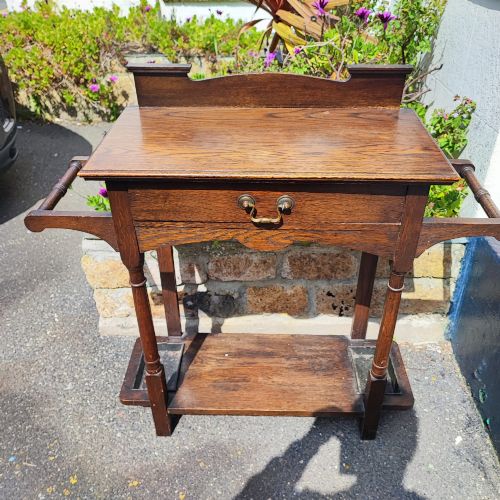
An edwardian oak tray stand unites domestic utility with the straightforward lines typical of the early twentieth century. Buyers seeking this form will find pieces designed to hold drinks, smoking accessories, or butler's trays upon a dedicated folding or fixed support.
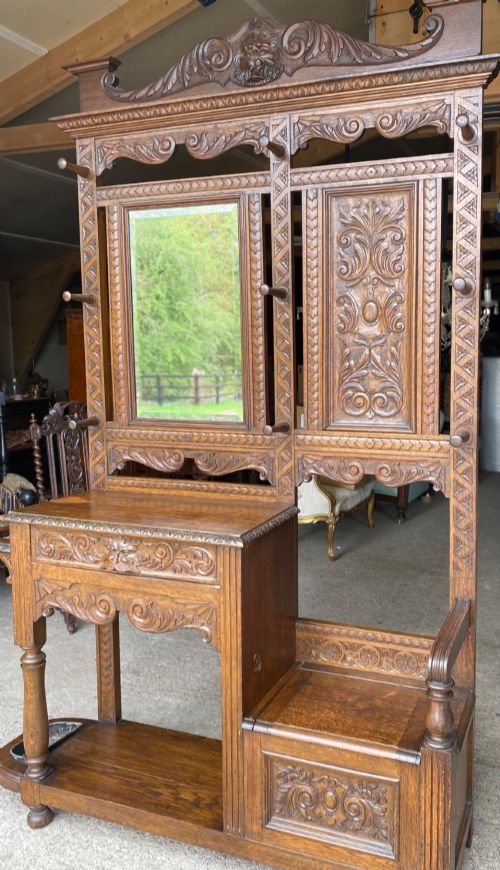
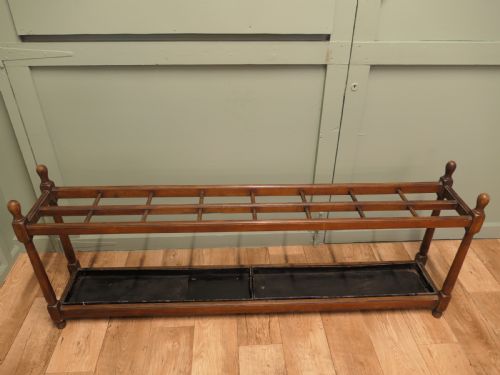
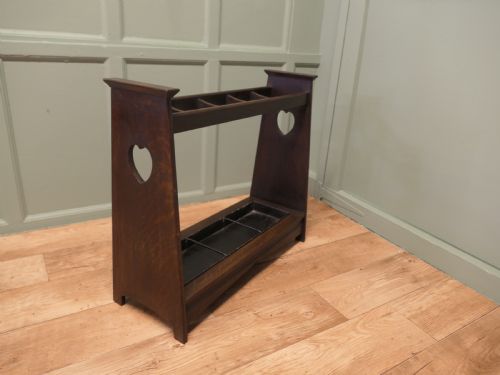
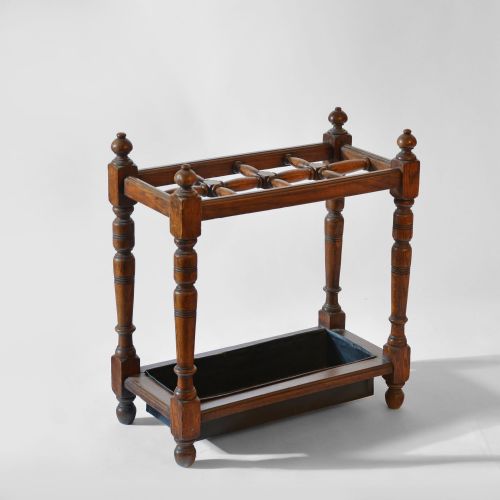
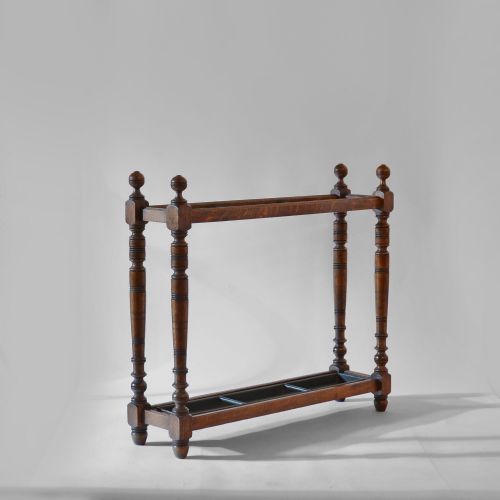
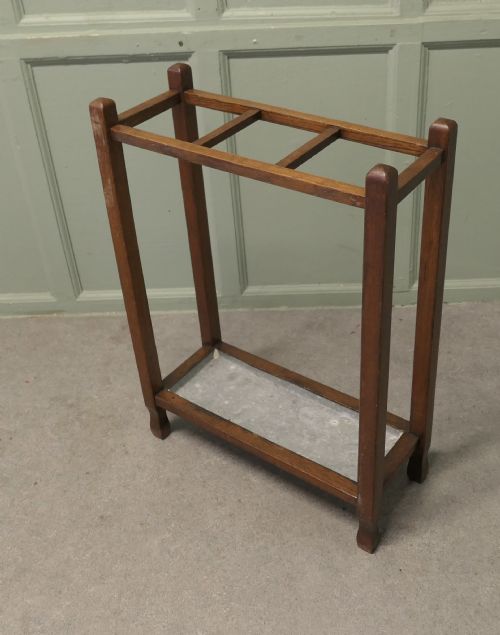
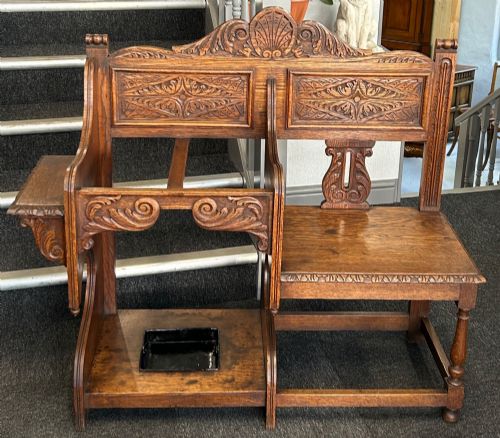
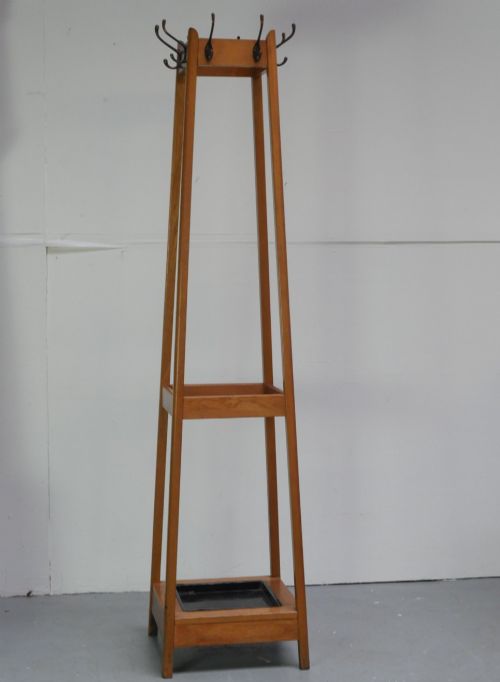
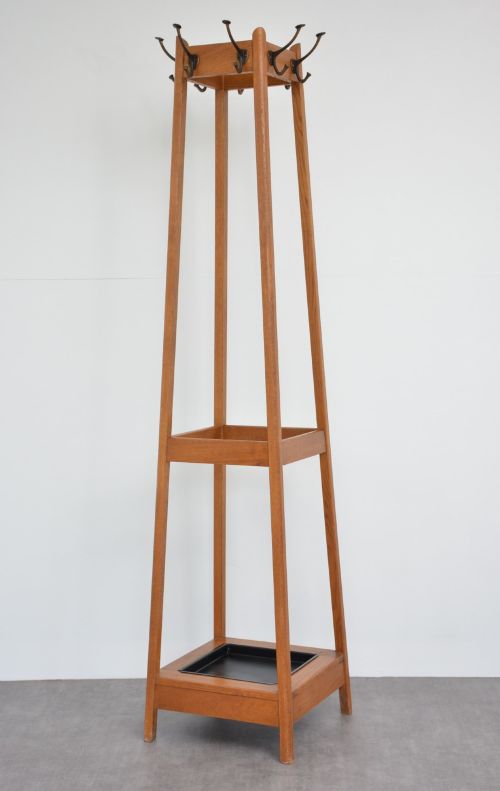
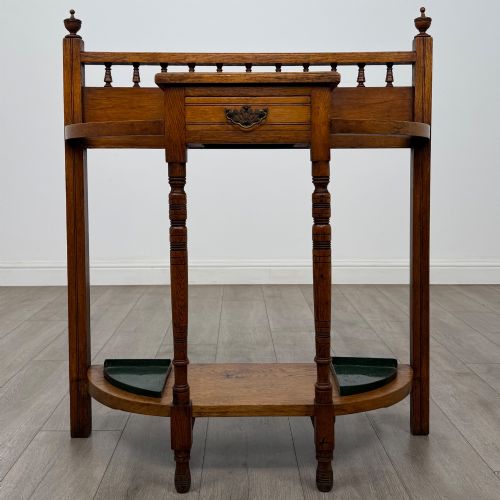
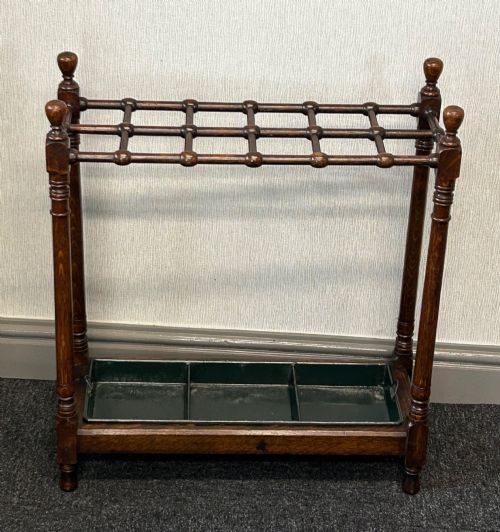
While the phrase suggests a raised tray, the evidence shows related hall furniture sharing the same vocabulary, including stick stands, umbrella racks, and butlers' trays on folding supports. These items reflect the domestic organisation of period households.
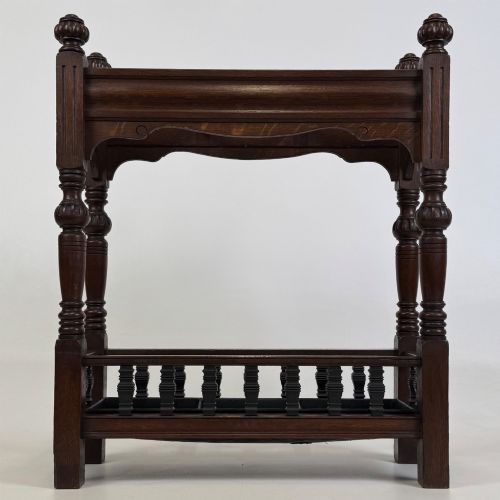
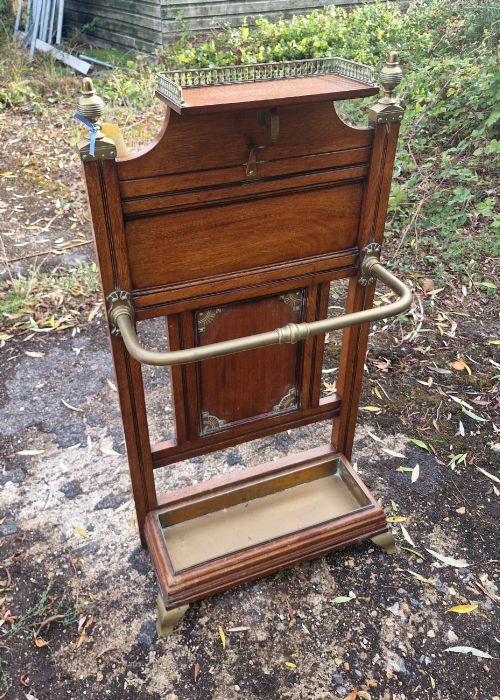
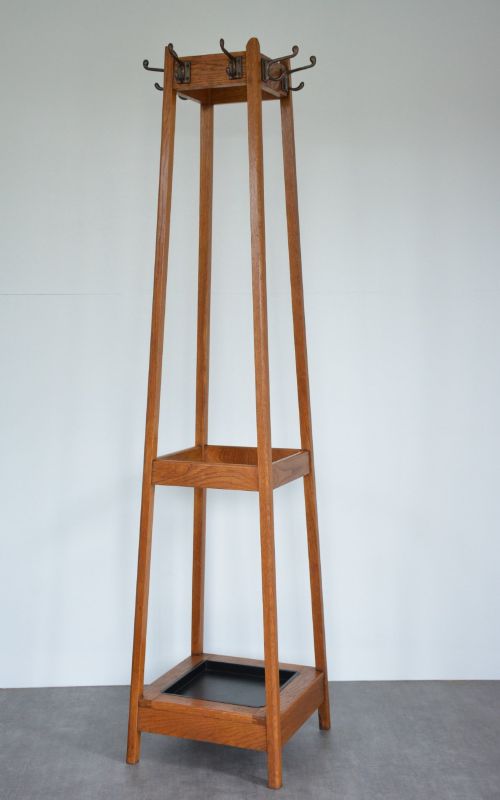
The materials and styles span Edwardian design alongside Victorian survivals, Arts and Crafts influences, and Aesthetic Movement forms. Golden oak and dark oak predominate, often accompanied by original metal drip trays or brass handles.
How they were made
Makers built these pieces primarily from solid oak, utilising both golden and darker tones, sometimes accented with carved details or plain turned uprights. Construction relied on traditional joinery to ensure stability for daily domestic use.
Metal components played a practical role, incorporating brass, iron, zinc, and cast iron into hinges, handles, and removable drip trays. These metal elements offered durability where moisture or heavy use occurred.
The record shows tray stands spanning late Victorian production through to the 1920s, heavily influenced by Arts and Crafts design principles.
What varies in quality
The standard of timber selection and the crispness of any carved detail set finer examples apart from utility pieces. Superior items display well-figured oak grain and thoughtful proportions that balance the tray with its supporting frame.
The presence of original hardware, such as brass handles and intact metal drip trays or linings, distinguishes better-preserved examples. Retaining these original fittings preserves the integrity of the piece.
Liberty Design·Heals of London·GW Evans·James Shoolbred
The Edwardian Oak Tray Stand Glossary
- Butlers tray
- A removable wooden tray with raised sides or gallery edges designed for carrying service items. It lifts off its folding stand for easy clearing.
- Drip tray
- A metal insert, often made of zinc, brass, or galvanized iron, placed at the base of a stand to catch water from wet umbrellas.
- Arts and Crafts
- A design movement emphasising honest construction, simple forms, and visible handcraftsmanship. It heavily influenced furniture styling around the Edwardian period.
Edwardian Oak Tray Stand: Frequently Asked Questions
What is an edwardian oak tray stand used for?
These stands served primarily to hold removable trays for serving drinks, hosting smoking accessories, or managing correspondence in period homes. The folding design allowed servants to store the tray and frame when not in service.
Today, they function well as portable side tables in living rooms or studies. Their raised edges keep items secure while adding period character to domestic spaces.
How do I identify an edwardian piece?
Edwardian furniture generally exhibits lighter oak tones, simpler lines than heavy Victorian designs, and influences from the Arts and Crafts or Art Nouveau movements. Construction methods remain traditional, utilising solid timber and neat joinery.
Makers working in this era often integrated functional brass or iron hardware. Checking for period construction markers and original metal components helps confirm the date.
Are the trays removable?
Most trays on these stands lift entirely off their folding or fixed supporting frames. This feature originally allowed the tray to be loaded in the kitchen and carried to a drawing room.
When buying, confirm whether the tray is fixed or detachable according to your preference for use. Removable versions offer greater versatility for serving.
How do I care for oak furniture?
Solid oak benefits from occasional treatment with appropriate beeswax or furniture polish to nourish the grain and maintain a soft sheen. Avoid placing wooden pieces near direct heat sources or excessive moisture.
Using coasters and wiping up spills promptly protects the timber surface. Metal inserts like drip trays should be cleaned and dried regularly to prevent corrosion.