




Edwardian Oak Planter
These edwardian oak planter pieces are robust timber vessels made to display greenery, combining functional horticulture with domestic display.
Edwardian Oak Planter
An edwardian oak planter brings functional domestic horticulture into the home through sturdy timber construction and traditional coopered vessels. Buyers searching this phrase encounter plant stands, jardinieres, and coopered buckets designed to hold potted plants or serve as log bins.
The versions most commonly met on this page range from simple two-tier stands to brass-bound barrels and barley twist supports. These pieces bridge the gap between practical garden utility and formal interior furnishing.
Materials and construction
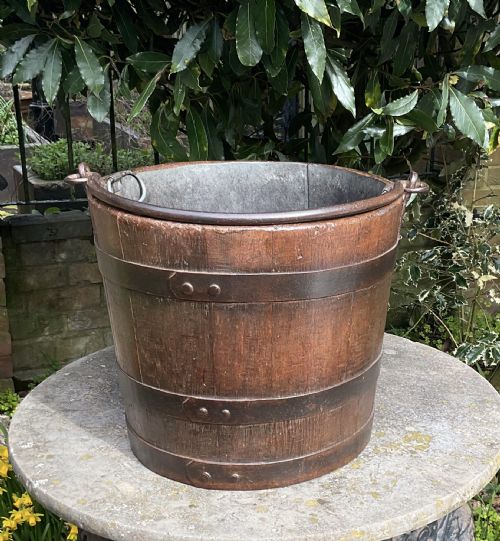
Makers utilised solid oak staves, held tightly together by metal hoops in the manner of traditional barrel making. This coopered technique ensured the wood could withstand moisture when fitted with internal metal or zinc liners.
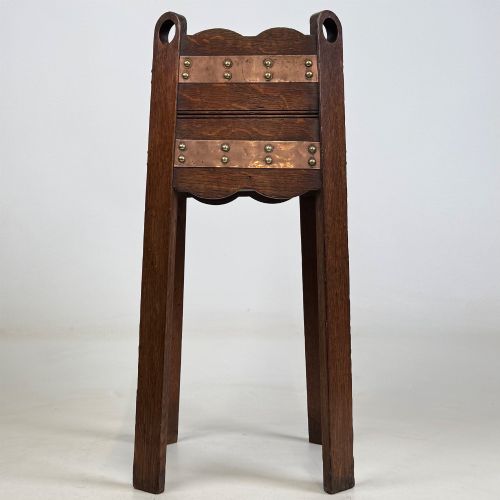
Metal bands in brass or copper provide structural strength while creating a distinct contrast against the warm tone of the wood. Turned elements such as barley twist stems add architectural height to the stands and jardinieres.
Edwardian Oak Planter Retail Price Guide 2026
Typical asking prices for edwardian oak planter among the pieces listed under this phrase on Sellingantiques today, from the lower quarter to the upper quarter. They describe what is for sale here now, not the wider market.
Many of these sturdy wooden buckets spent decades quietly holding indoor ferns before starting a second life as fireside log bins.
Judging quality in these vessels
Quality rests upon the tightness of the cooperage and the weight of the timber used for the staves. Superior examples display precise joinery where the metal hoops secure the wooden staves without gaps.
The refinement of the turning on the legs and the quality of the metal mounts elevate standard utility objects into decorative furnishings. Retaining the original metal or zinc liner inside the wooden vessel also marks a higher standard of preservation.
Lister and Co
The Edwardian Oak Planter Glossary
- Coopered
- Constructed from curved wooden staves bound together by metal hoops, similar to barrel making. This method provides the watertight structure needed for planters.
- Jardiniere
- An ornamental pot or stand designed specifically to hold growing plants or flowers indoors. These vessels often sit on dedicated stands or floor plinths.
- Barley Twist
- A turned wood decoration resembling a spiral helix, frequently seen on the legs of plant stands. This ornamental turning gained popularity during revival periods.
- Liner
- A removable metal or zinc insert placed inside the wooden bucket to catch drainage water. This protective layer prevents moisture from rotting the outer oak staves.
Edwardian Oak Planter: Frequently Asked Questions
What is an edwardian oak planter?
An edwardian oak planter is a wooden vessel or stand created to house indoor plants during the early twentieth century. They draw upon traditional coopering and turning techniques to combine utility with decorative interior display.
These pieces range from floor-standing buckets with metal bands to tiered stands supporting jardiniere pots. Their robust construction allowed them to handle damp soil and heavy foliage inside domestic rooms.
How were these planters used?
These items were placed in parlours and drawing rooms to display potted ferns, palms, and flowering plants. Raising the plants off the floor protected carpets and allowed trailing foliage to drape downwards.
Many of these vessels also doubled as log buckets or peat bins beside the fireplace. Their sturdy oak staves and metal liners made them adaptable for various heavy household tasks.
How do I care for oak planters?
Keeping the wood away from direct heat sources prevents the oak staves from drying out and shrinking. Regular dusting and occasional waxing help maintain the finish of the timber.
If the piece retains its original metal liner, ensure it is dried out after watering plants to protect the internal joins. Using a secondary pot inside the liner prevents standing water from touching the metal directly.
How do I identify Edwardian examples?
Edwardian pieces often display Arts and Crafts influences, combining honest construction with simple brass or copper bindings. They favour golden oak tones and straightforward forms over excessive ornamentation.
Comparing the turned legs and metal mounts to dated pieces helps establish the period. The presence of period cooperage techniques and zinc liners also points towards early twentieth-century manufacture.