






Edwardian Novelty Charm
These edwardian novelty charm pieces capture miniature whimsy in sterling silver, gold, and enamel, offering collectors delightful conversation starters.
Edwardian Novelty Charm
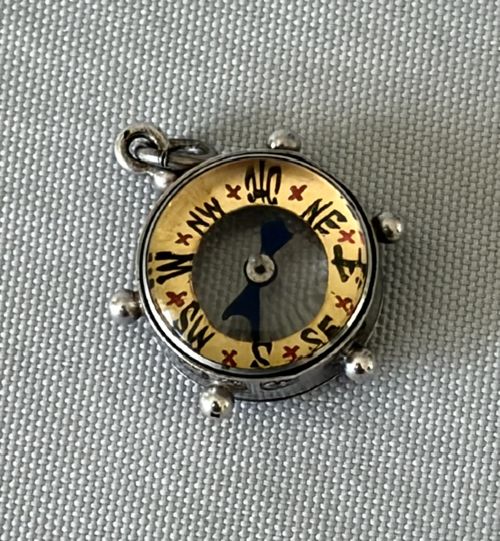
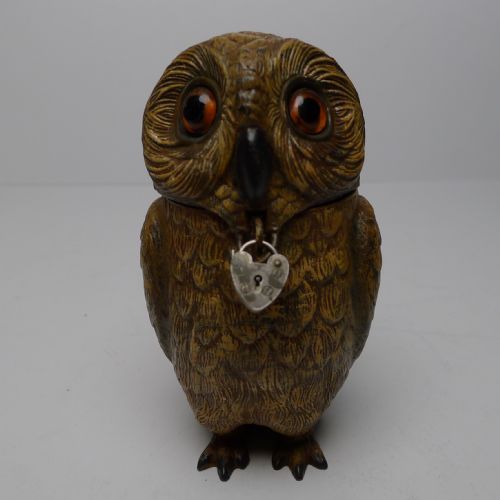
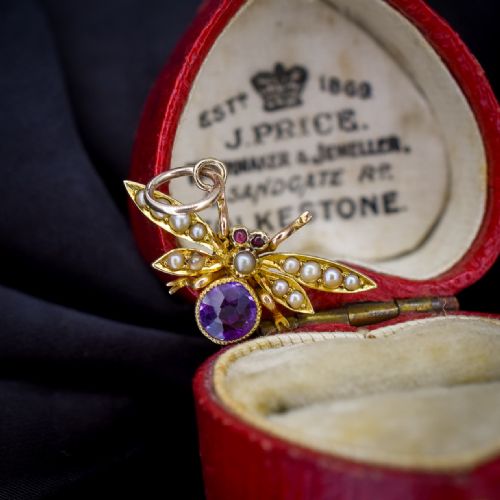
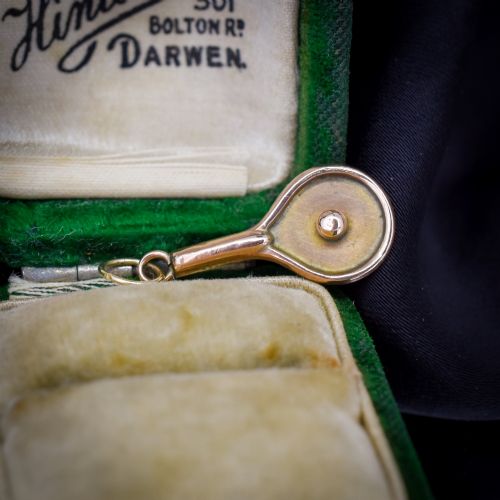
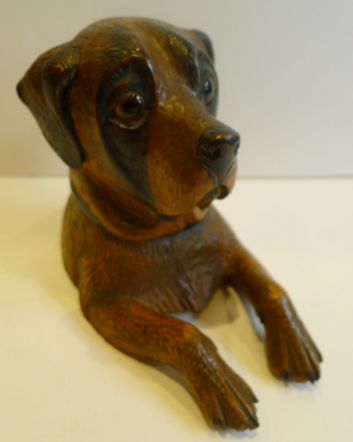
An edwardian novelty charm represents miniature everyday objects, animals, and figures transformed into wearable trinkets or desktop curiosities. Buyers seek these pieces for their playful detail and tangible connection to past eras of intricate metalsmithing. The examples found here span miniature sports gear, insects, animals, and household items designed to amuse the observer.
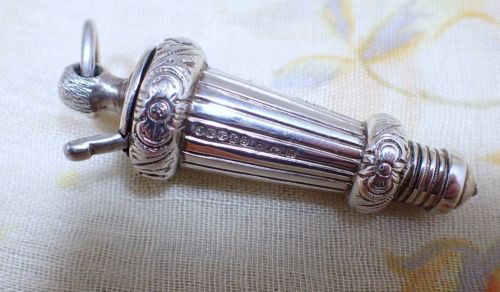
Most pieces date from the early twentieth century, reflecting the Edwardian and Victorian penchant for miniature figural metalwork. Forms range from sliding gold pendants and silver whistles to painted spelter money boxes and intricate pin cushions. Collectors frequently encounter sterling silver and various gold purities, often suspended from charm bracelets or worn as pendants.
Evaluating Quality and Detail
The finesse of the engraving and the realism of the miniature form distinguish superior pieces from standard production. Artisans who invested time in hand-chiseling fur, feathers, or the strings of a tennis racket created items of lasting aesthetic value. The retention of original polychrome enamel without chipping preserves the intended visual appeal.
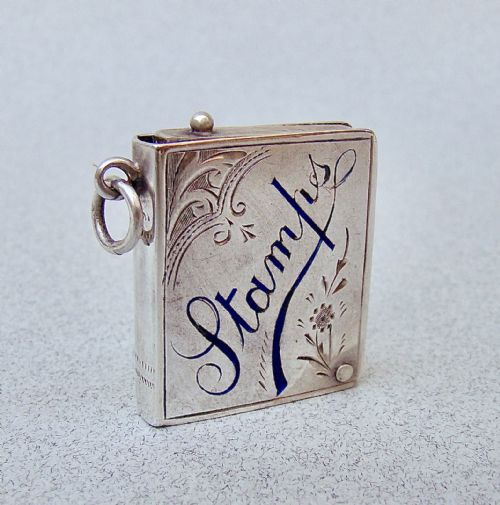
Structural integrity matters significantly, particularly in pieces featuring moving parts like sliding mechanisms, whistles, or opening book covers. Makers who ensured hinges and catches operated smoothly produced items that endure better today. The clarity of hallmarks and the weight of the precious metal further indicate the original standard of manufacture.
Edwardian Novelty Charm Retail Price Guide 2026
Typical asking prices for edwardian novelty charm among the pieces listed under this phrase on Sellingantiques today, from the lower quarter to the upper quarter. They describe what is for sale here now, not the wider market.
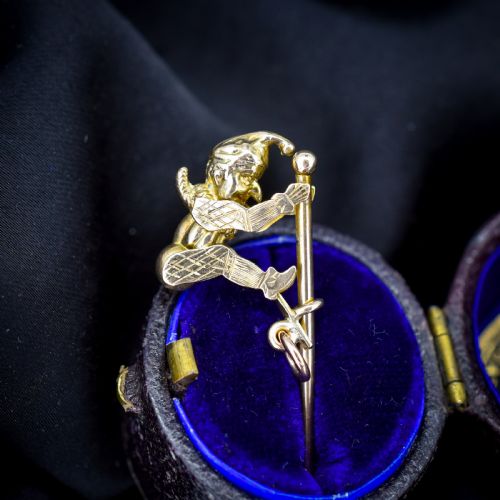
A tiny sliding Mr Punch waits inside his golden frame to pop out and greet unsuspecting admirers.
Crisford and Norris·Saunders and Shepherd
The Edwardian Novelty Charm Glossary
- Spelter
- An alloy of zinc and lead used as a cheaper alternative to bronze for cast figures and decorative objects. It takes paint well, allowing for colourful figural money boxes and inkwells.
- Hallmark
- A series of official marks stamped onto precious metals indicating purity, origin, and the year of assay. These stamps help verify the authenticity and age of silver and gold items.
- Enamel
- A durable glassy substance fused to metal surfaces through high-temperature firing. It provides vibrant colour decoration on small items like watch fobs and pendants.
- Pin Cushion
- A small domestic object designed to hold sewing pins, often fashioned into novelty shapes during the Edwardian period. They frequently incorporate silver frames and velvet inserts.
- Figural
- Representing the form of a human, animal, or recognizable object rather than abstract design. These sculptural pieces form the core of novelty charm collections.
Edwardian Novelty Charm: Frequently Asked Questions
How were these charms used?
Owners usually suspended them from charm bracelets, chatelaines, or neck chains as personal talismans or fashion statements. Some pieces, such as whistles or stamp cases, served practical functions on a miniature scale.
Others functioned purely as amusing conversation pieces or decorative novelties for the dressing table and desk.
How do I care for silver and gold charms?
Precious metals benefit from gentle cleaning with a soft microfibre cloth to remove accumulated dust and natural skin oils. Avoid harsh chemical dips, especially on pieces featuring enamel, mother-of-pearl, or delicate moving parts.
Store them individually in soft pouches to prevent scratching against other items in your collection.
How can I tell the period of a charm?
Assay office hallmarks stamped directly onto the metal provide the most reliable indicator of a piece's manufacturing date and origin. Stylistic clues, such as the distinct aesthetic of Edwardian scrollwork or Victorian figural themes, also help narrow down the era.
Comparing construction techniques and the presence of materials like coloured enamel further assists in dating.