

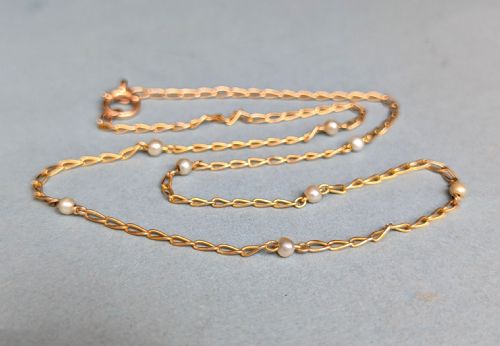


Edwardian Necklet
An edwardian necklet brings together delicate precious metals and stones, offering a refined piece of early twentieth-century jewellery.
Edwardian Necklet
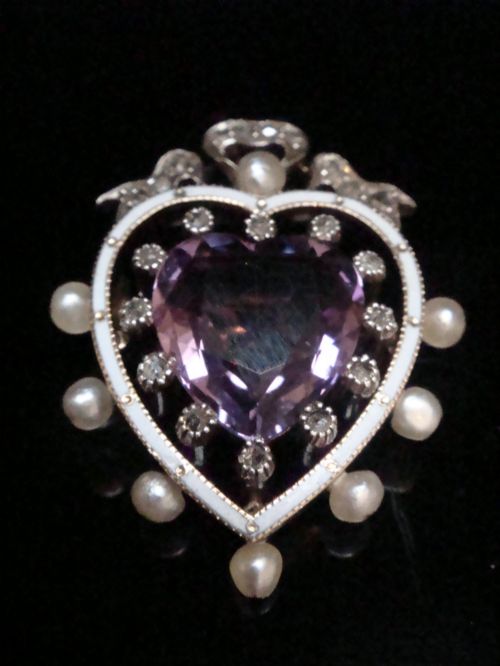
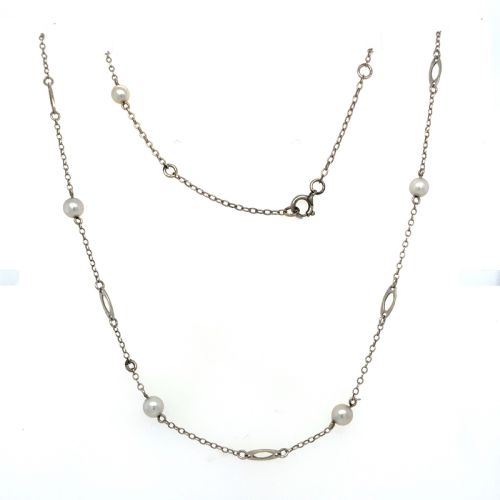
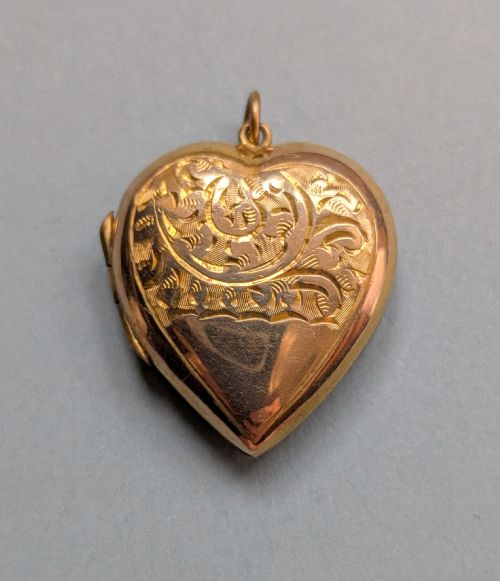
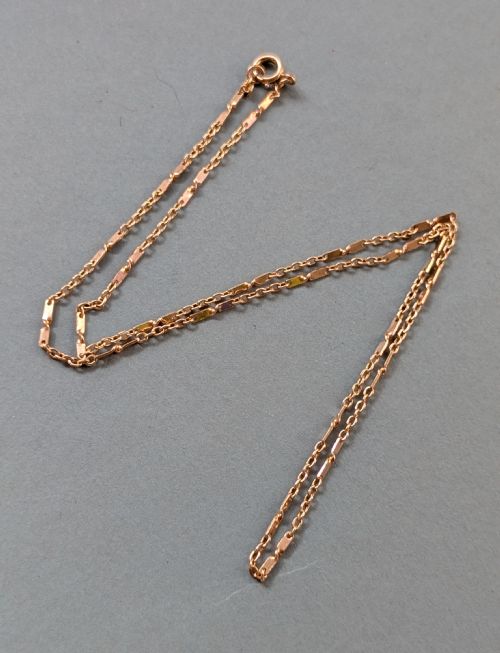
When you search for an edwardian necklet, you encounter delicate pendants and necklaces spanning the Edwardian era alongside related pieces from the late Victorian period and the nineteen-twenties. These items take the form of intricate drop pendants, lavaliers, lockets, and fine chains adorned with seed pearls, diamonds, and coloured gemstones.
The pieces on this page are most frequently cast in gold, platinum, or silver, often featuring garland motifs, floral arrangements, or geometric layouts. Such designs reflect the transition from ornate nineteenth-century styles into the lighter, airier aesthetics of the early nineteen hundreds.
How they were made
Goldsmiths and jewellers utilised a combination of high-carat yellow gold, rose gold, white gold, and newly workable platinum to construct these intricate frames. Stones such as diamonds, opals, amethysts, and natural pearls were carefully set using collet, bezel, or prong techniques to maximise light entry.
Enamelling techniques, particularly guilloche work, added vibrant colour to gold and silver surfaces, while fine links and dog clips completed the pendant chains. These methods combined durability with a light appearance, suiting the fashions of the period.
Current listings feature platinum, 15ct gold, and silver alongside central gemstones including opals, amethysts, and natural saltwater pearls.
What varies in quality
Quality in these pieces rests upon the fineness of the metalwork and the selection of the central gemstones. Hand-carved stones, clean diamonds, and undamaged enamel surfaces distinguish superior examples from standard production.
The integrity of the original settings and the delicacy of the piercing work also dictate value. Pieces that retain their original chains, clasps, and unpolished mounts hold greater integrity for collectors.
WH Haseler for Liberty and Co·Meyle and Mayer
The Edwardian Necklet Glossary
- Guilloche enamel
- Enamel applied over a metal surface that has been machine-turned with an intricate geometric pattern. This technique creates a shimmering, translucent depth beneath the coloured glass.
- Lavalier
- A pendant necklace featuring a central drop stone suspended from a finer secondary drop or directly from the chain. Popular during the early twentieth century, this style accentuates the wearer's neckline.
- Seed pearl
- A very small, naturally formed pearl, often drilled and threaded onto silk or wire. These tiny pearls form delicate floral clusters and starburst motifs in period jewellery.
- Dog clip
- A spring-loaded swivel fastening used on watch chains and pendant necklaces. It allows the wearer to secure or remove charms and lockets with ease.
Edwardian Necklet: Frequently Asked Questions
What defines an edwardian necklet?
An edwardian necklet typically incorporates platinum or high-carat gold set with diamonds, pearls, or soft-hued gemstones. The designs favour garlands, bows, and light, openwork metal structures.
These pieces reflect the stylistic transition away from heavier Victorian aesthetics toward ornamental lightness.
How do I care for my necklet?
Store your jewellery individually in a soft pouch to prevent scratching between harder stones and delicate metals. Avoid exposing enamel and pearls to harsh chemical cleaners or ultrasonic baths.
Clean them gently using a soft, dry cloth after wearing to remove natural oils.
Are these pieces made of platinum?
Platinum gained popularity during the early twentieth century because its strength allowed jewellers to create ultra-fine settings. Many Edwardian pendants use platinum faces backed with gold to support intricate diamond work.
This technique maximised gemstone security while keeping the overall weight minimal.
Can I wear a necklet daily?
While these items were built with quality materials, their age requires mindful wear during daily activities. Removing them before swimming, exercising, or sleeping protects delicate chain links and stone settings.
Gentle handling ensures that antique pearls and enamel work survive intact for future generations.