


Edwardian Military Frame
An edwardian military frame holds the portraits and mementoes of an era defined by service and martial pride.
Edwardian Military Frame
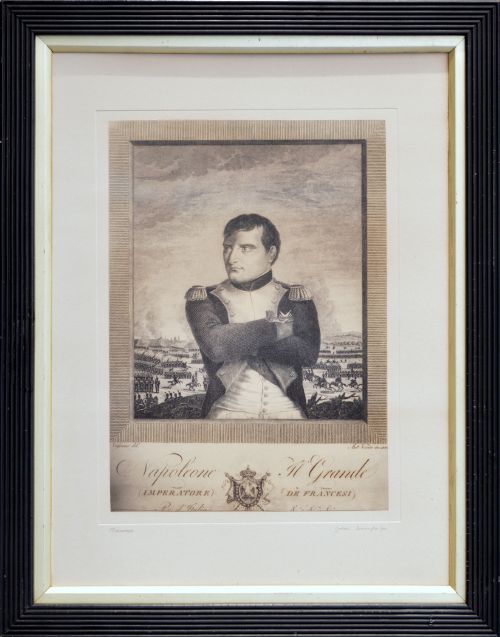
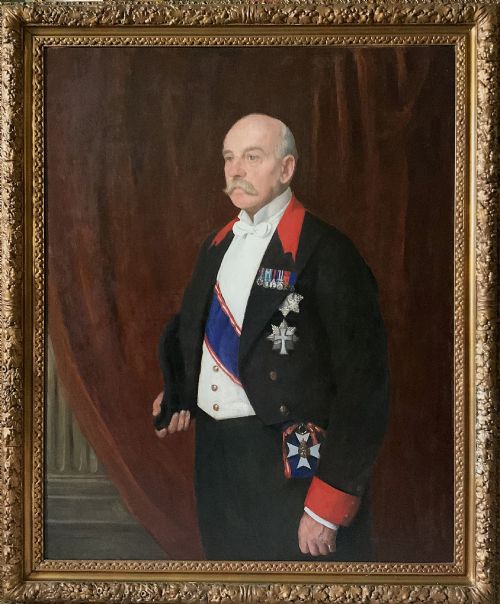
When you search for an edwardian military frame, you are looking at items designed to house portraits, photographs, and watercolours tied to regiments, fleets, and campaigns. The pieces on this page span oil paintings, prints, and metalwork created during periods such as 1900, the Edwardian era, 1910, 1920, 1930, 1940, and the nineteenth century. Most examples serve to commemorate specific officers, battles, and ships.
The selection ranges from large oil portrait paintings of generals and soldiers to framed prints like Vanity Fair groups and works by artists such as Snaffles. Alongside these hang framed watercolours, porcelain wall plaques, and silver-mounted tins that function as framed keepsakes. Oak and gilded wood frequently enclose these works, preserving the visual culture of early twentieth-century military life.
How they were made
Makers utilised traditional framing materials including solid oak and gilded wood to house paper, canvas, and card. Many frames feature stepped designs or integrated presentation plaques intended to record a regiment, an individual, or a corporate benefactor. Metalwork such as silver plating provides a durable boundary for photographic portraits.
Works on paper and canvas employ oil, watercolour, gouache, and photographic processes. Framed prints often originate from contemporary periodicals, while original paintings rely on canvas stretchers and heavy wooden mounts to sustain the weight of the composition.
Listings feature works from the 19th Century, 1900, 1910, 1920, 1930, and 1940, encompassing oil, watercolour, paper, oak, and gilded wood.
What varies in quality
The distinction between tiers rests upon the integration of the frame with its subject. Superior examples pair original timber mounts with named portraits, signed watercolours, or bespoke presentation plaques that anchor the piece to a verifiable historical context. Lesser examples rely on generic framing applied long after the artwork or photograph was produced.
Artistic execution and medium also divide the range. Hand-painted oils by recorded artists and detailed gouache ship tributes occupy the upper tier, while standard mass-produced prints in later commercial frames sit at the lower end. The presence of original glass, backing boards, and maker inscriptions elevates the integrity of the piece.
The Edwardian Military Frame Glossary
- Gouache
- An opaque watercolour medium used by artists to achieve matte, saturated colours. It appears frequently in maritime and military tributes.
- Vanity Fair print
- A chromolithographic caricature published in the weekly periodical, often depicting military officers and social figures of the period.
- Silver-plated
- A base metal coated with a thin layer of silver, utilised on picture frames and commemorative tins to provide a polished metallic finish.
- Stepped frame
- A wooden moulding constructed in receding or advancing planar tiers. This design adds architectural depth around portraits.
- Presentation plaque
- A small engraved metal plate affixed to a frame to record a gift, a date, or the presentation of the object to an individual or firm.
Edwardian Military Frame: Frequently Asked Questions
What is an edwardian military frame?
An edwardian military frame is a protective border of wood, silver plate, or metal housing portraits of soldiers, naval scenes, or regimental watercolours. These objects were produced to honour individuals in service or to preserve records of campaigns and vessels.
Such pieces often incorporate presentation plaques or oak mouldings that reflect the martial aesthetic of the early twentieth century. They bridge the gap between fine art and personal remembrance.
How were these frames used?
These frames were hung in officers' messes, regimental headquarters, and domestic parlours to display portraits of commanders or commemorative prints. They served as public testaments to loyalty, duty, and service.
Many also functioned as desk accessories or mantelpiece ornaments holding photographs of family members in uniform or fallen comrades.
How do I care for an antique frame?
Keep wooden and gilded frames away from direct sunlight and excessive moisture to prevent the timber from warping and the gilt from flaking. Dust them gently with a dry, soft brush.
Avoid using modern chemical polishes on silver-plated or wooden surfaces, as these can strip original patination. Stable room temperatures ensure the longevity of both the frame and its enclosed artwork.
How can I tell the period?
Examine the construction of the frame joints, the type of backing boards, and the fasteners used to secure the artwork. Edwardian and early twentieth-century pieces often utilise flat-head screws, split pins, and heavy oak grounds.
The style of the portrait, the typography on any accompanying presentation plaques, and the medium of the artwork provide further chronological markers that align with the production dates of the era.