




Edwardian Metal Mirror
These pieces of edwardian metal mirror bring domestic utility together with decorative metalwork, offering functional reflection alongside the handcrafted texture characteristic of the period.
Edwardian Metal Mirror
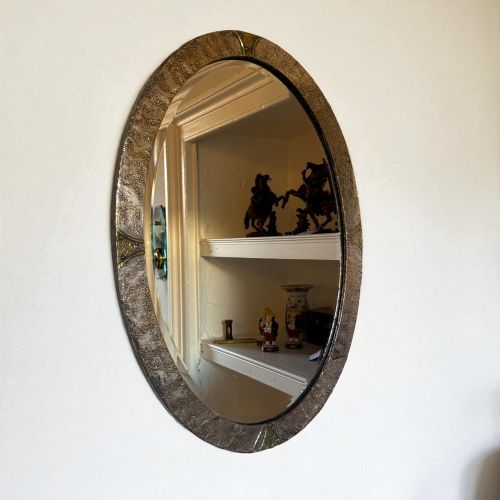
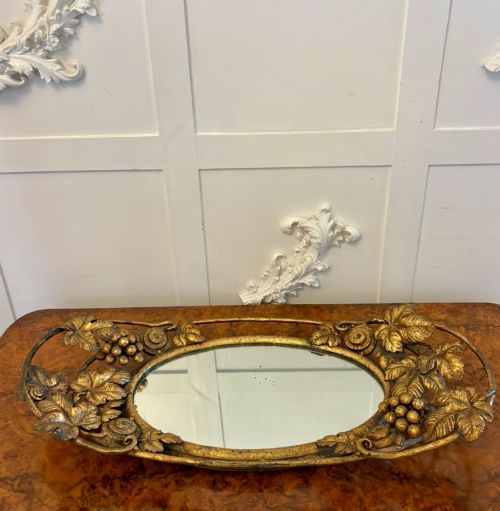
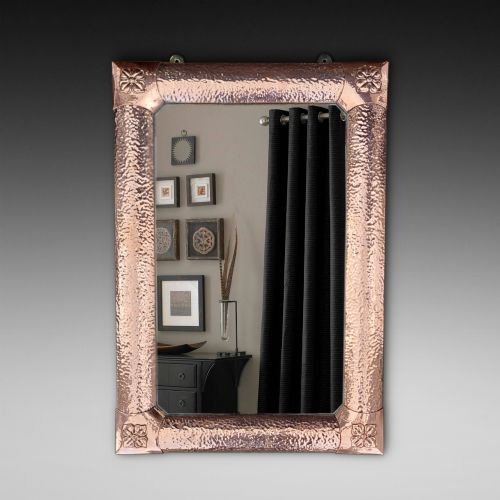
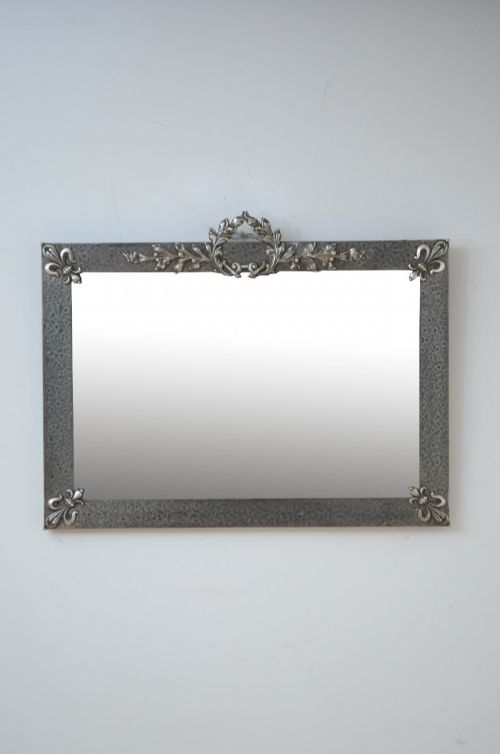
An edwardian metal mirror encompasses domestic accessories produced across the early twentieth century, drawing on movements such as Arts and Crafts and Art Nouveau. Pieces on this page primarily take the form of wall mirrors, alongside occasional table mirrors, drinks trays, and fireplace screens.
The materials span brass, copper, and gilt metal, frequently housing bevelled glass within frames shaped by hand working. These objects originate from around the Edwardian period, flanked by related works from the nineteenth century and the nineteen twenties.
How they were made
Makers shaped frames from sheet metals including brass and copper, employing techniques such as hammering, beating, and embossing to create textured surfaces. Some examples incorporate decorative elements like cabochons or embossed botanical motifs including honesty seed pods and grape vines.
Wooden backing supports and internal wooden structures provide stability to the metal frontages, whilst glass plates with bevelled edges are secured within the rebated metal frames. Gilt or silvered surface treatments are applied to certain brass and copper foundations.
Edwardian Metal Mirror Retail Price Guide 2026
Typical asking prices for edwardian metal mirror among the pieces listed under this phrase on Sellingantiques today, from the lower quarter to the upper quarter. They describe what is for sale here now, not the wider market.
Honesty seed pods and grape vines make a quiet botanical appearance across the metalwork, proving that even a looking glass enjoys garden foliage.
What varies in quality
The standard of an edwardian metal mirror rests upon the crispness of the hand working within the metal frame and the depth of the repoussé or hammered relief. Examples displaying purposeful manipulation of the copper or brass exhibit superior craftsmanship compared to plain or mechanically pressed alternatives.
Quality also depends on the preservation of original surface finishes, whether patinated copper, gilt metal, or silvered details, alongside the clarity and original state of the bevelled glass plate.
The Edwardian Metal Mirror Glossary
- Bevelled Glass
- Glass with an edge ground and polished to an angle thinner than the rest of the pane. This treatment creates a prismatic border that catches the light.
- Arts and Crafts
- A design movement promoting hand craftsmanship and traditional materials over mass production. It heavily influences the hammered copper and brass frames found in this category.
- Repoussé
- A metalworking technique where the metal is hammered from the reverse side to form a raised design in relief. It defines the textured botanical patterns on many frames here.
- Cabochon
- A polished, convex gemstone or ceramic piece lacking facets. In these listings, elements such as Ruskin ceramics are occasionally set into the metal frames.
- Fireplace Screen
- A decorative panel placed before an unused fireplace during warmer months. These items often feature large metal frames and mirrored or ornamental inserts.
Edwardian Metal Mirror: Frequently Asked Questions
Where should I hang an edwardian metal mirror?
These pieces suit entrance halls, living rooms, or bedrooms where the reflective glass opens up interior spaces while the metallic frame adds textural contrast against painted or papered walls.
Because many examples originate from the Arts and Crafts tradition, they pair effectively with natural wood furniture, period properties, and interiors that celebrate tactile materials.
How do I clean a metal mirror frame?
Dust the frame gently with a dry microfiber cloth to prevent accumulation in the hammered recesses and embossed motifs. Avoid harsh chemical polishes that can strip original patination from copper, brass, or gilt surfaces.
Clean the glass plate using a standard glass cleaner applied to the cloth rather than directly sprayed, protecting the surrounding metal frame and wooden backing from moisture.
Are these mirrors heavy?
The weight varies according to the thickness of the metal frame, the presence of wooden backing boards, and the size of the glass plate. Larger wall mirrors and fireplace screens require secure fixings suited to their substantial construction.
Table mirrors and smaller trays are lighter and designed for portable placement on surfaces without permanent wall anchoring.
How do I date an edwardian metal mirror?
Dating relies on stylistic markers such as the organic motifs of Art Nouveau, the hand-beaten surfaces characteristic of the Arts and Crafts movement, and construction methods visible on the reverse. Surviving labels, stamp marks, and the presence of bevelled glass also provide chronological indicators.
Pieces span the late nineteenth century through the Edwardian era and into the nineteen twenties, reflecting overlapping stylistic periods.