





Edwardian Metal Hearth Bucket
An edwardian metal hearth bucket brings warmth and character to a fireplace, offering a practical store for coal and logs.
Edwardian Metal Hearth Bucket
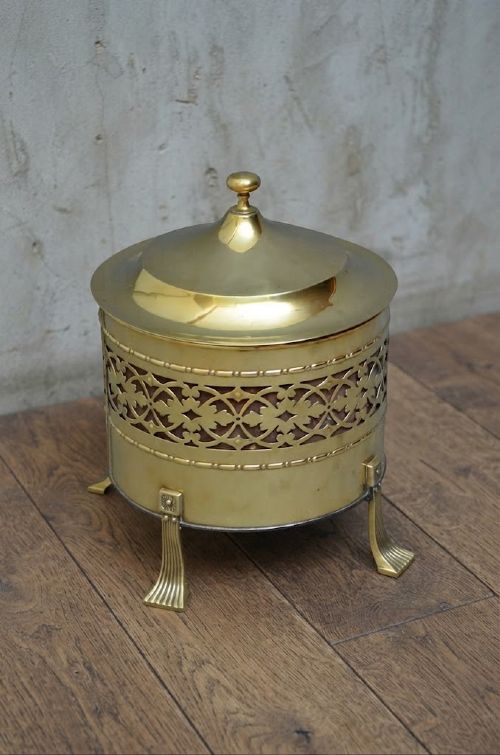
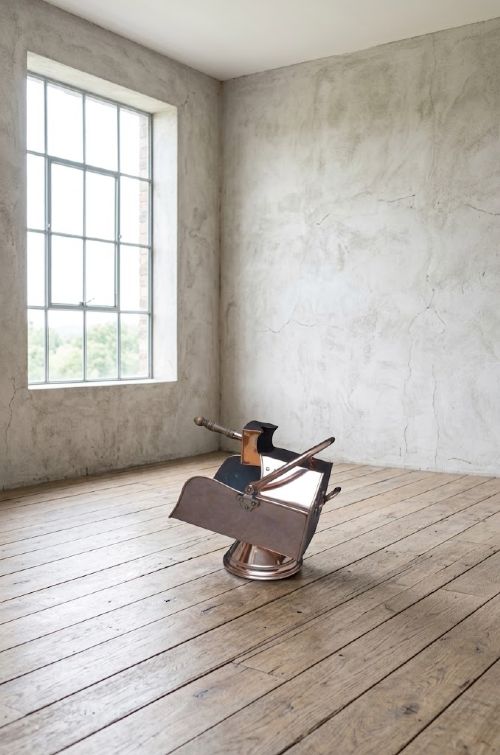
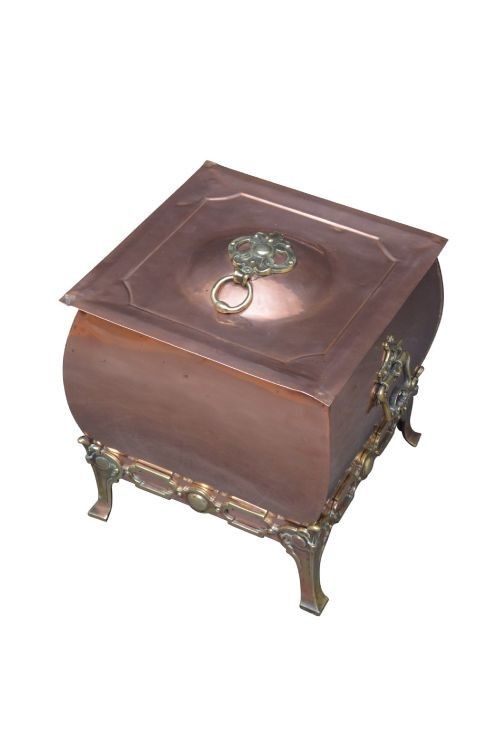
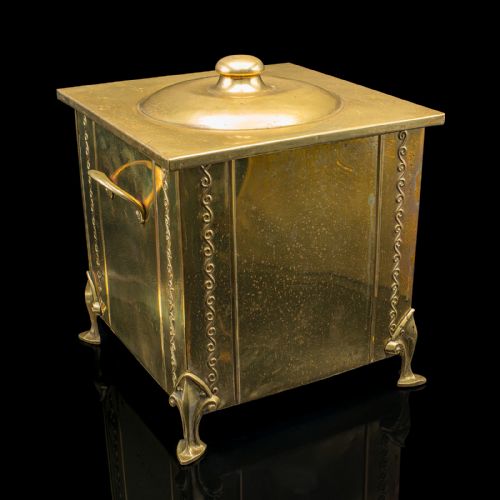
When searching for an edwardian metal hearth bucket, a buyer encounters practical fireside vessels designed to hold fuel near the fireplace. The selection includes helmet-shaped coal scuttles, circular buckets, log bins, and lidded boxes.
Most examples originate from the Edwardian period and the nineteenth century, reflecting popular styles such as Arts and Crafts, Art Nouveau, and Victorian design. These pieces served as functional hearth accessories that doubled as decorative items in period rooms.
The materials span copper, brass, iron, and wrought iron, occasionally complemented by wood or silver plate. Many function equally well today as planters or storage bins beside the hearth.
Materials and construction
These vessels rely on sheet metals such as copper and brass, shaped by hand or machine to form bodies, helmets, and cylindrical bins. Iron and wrought iron provide sturdy frames, handles, and structural support for heavier log stores.
Decorative touches include fretwork designs, repoussé work characteristic of the Arts and Crafts movement, and flowing organic lines associated with Art Nouveau. Handles and fittings are securely riveted or joined to withstand regular lifting of heavy fuel.
Edwardian Metal Hearth Bucket Retail Price Guide 2026
Typical asking prices for edwardian metal hearth bucket among the pieces listed under this phrase on Sellingantiques today, from the lower quarter to the upper quarter. They describe what is for sale here now, not the wider market.
Distinctions in quality
Quality rests upon the thickness of the metal and the integrity of the construction rather than mere ornamentation. Substantial copper and brass retain their shape better and polish evenly over decades of use.
Artistic execution sets finer examples apart, particularly in hand-beaten surfaces, careful riveting, and distinctive fretwork or Art Nouveau detailing. Original iron frames and matching fittings elevate the integrity of a piece.
The Edwardian Metal Hearth Bucket Glossary
- Coal scuttle
- A container designed for holding coal, often featuring a sloping front or a hinged scoop for easy pouring into the grate. Helmet shapes are particularly common in this category.
- Arts and Crafts
- A design movement valuing handcraftsmanship, simple forms, and honest materials over mass production. Pieces in this style often display visible hammer marks and natural motifs.
- Art Nouveau
- A style defined by flowing, serpentine lines and organic plant-like forms. Metal hearth items from this movement utilise sinuous handles and decorative embossing.
- Fretwork
- Openwork ornamentation cut out of metal or wood by piercing the surface. This technique appears on decorative bands and panels adorning brass and copper buckets.
- Repoussé
- A metalworking technique where the artisan hammers the metal from the reverse side to form a raised design on the front. It creates tactile surface decoration on copper bodies.
Edwardian Metal Hearth Bucket: Frequently Asked Questions
What is a metal hearth bucket used for?
These vessels serve to store coal, logs, or kindling neatly beside an active fireplace. They keep solid fuel close at hand while concealing raw materials inside a decorative container.
Beyond fireside utility, many owners repurpose these metal bins as indoor planters or general storage containers in period interiors.
How do I clean copper and brass?
Copper and brass require gentle cleaning with specialised metal polishes to remove tarnish without scratching the surface. Regular wiping with a soft cloth maintains the natural sheen.
Avoid abrasive pads or harsh chemical cleaners that can strip away the historical patina built up over generations.
Are these buckets suitable for real fires?
Metal bins made of copper, brass, and iron handle dry fuel such as logs, briquettes, and coal without difficulty. Their solid construction withstands the daily weight of heavy timber and mineral fuel.
Care should be taken when placing damp logs directly into unlined antique vessels to prevent internal moisture accumulation.
How do I identify an Edwardian piece?
Edwardian metalwork often draws on Arts and Crafts or Art Nouveau aesthetics, favouring clean silhouettes combined with subtle hand-worked decoration. The period bridged Victorian heaviness and twentieth-century simplicity.
Construction methods, such as specific rivet types and rolled rims, help distinguish Edwardian manufacture from later reproductions.