





Edwardian Metal Chest
An edwardian metal chest brings durable construction and period utility to modern interiors.
Edwardian Metal Chest
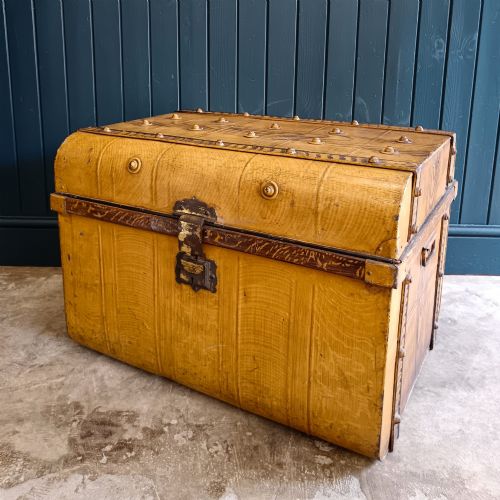
When you search for an edwardian metal chest, you examine robust storage pieces built around the turn of the twentieth century. These items include heavy travel luggage, deed boxes, and reinforced trunks designed for domestic and transit use.
The selections available here span forms from campaign packing cases to domed caskets and fireside boxes. Oak bodies strengthened with iron or steel straps frequently appear alongside entirely metal fabrications.
Victorian and Edwardian eras dominate the origins of these items, showing influences ranging from Arts and Crafts copperwork to utilitarian military specifications.
Construction and materials
Makers built these pieces using solid timbers like oak as internal frames, then reinforced the exteriors with sheet metal, iron straps, and brass fittings. Riveted joints and heavy locks provided the necessary security for long journeys.
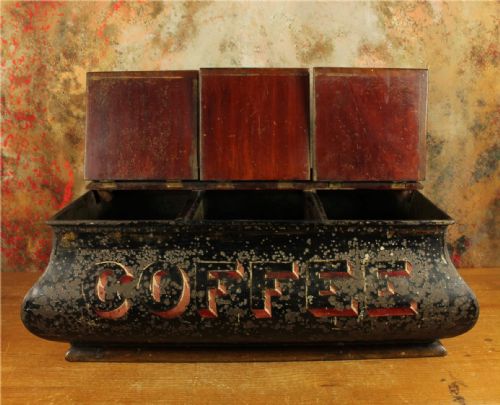
Surface treatments varied from painted finishes designed to mimic wood grain to unadorned copper, brass, and zinc linings. Toleware and specialised metal coatings protected perishable contents from moisture during transit.
Edwardian Metal Chest Retail Price Guide 2026
Typical asking prices for edwardian metal chest among the pieces listed under this phrase on Sellingantiques today, from the lower quarter to the upper quarter. They describe what is for sale here now, not the wider market.
Some travel trunks retain travel stickers and shipping labels from early steamship voyages across the Atlantic.
Distinguishing quality
The standard of a piece rests on the integrity of its original hardware, such as working locks, sturdy drop handles, and substantial corner brackets. Original linings, whether zinc or fitted wood compartments, elevate the integrity of the object.
Craftsmanship shows in the precision of the metal binding and the quality of the timber beneath the plating. Pieces retaining maker plates or documented provenance exhibit higher levels of original design.
Allen of London
The Edwardian Metal Chest Glossary
- Campaign case
- A portable storage box designed for military officers on the move, featuring recessed brass handles and reinforced corners. These units break down or pack efficiently for travel.
- Deed box
- A secure metal container utilised for holding legal documents and important papers, often fitted with a heavy lever lock and a drop front. Steel and iron construction kept contents safe from fire and theft.
- Steamer trunk
- A lower-profile luggage piece built to fit beneath the berth of a passenger ship, combining wood cores with protective metal sheeting. Canvas or painted finishes often weatherproofed the exterior.
- Toleware
- Lacquered or painted metalware produced in imitation of Asian lacquer techniques, commonly found on decorative boxes and caddy containers. The finish provides both colour and protection against rust.
- Silver chest
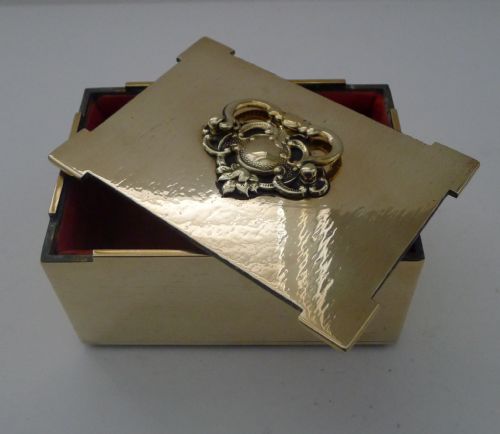
- A heavy storage box lined with baize or velvet, designed to hold flatware and tea services securely. Oak bodies bound in iron or steel protected valuable metalware during shipping.
Edwardian Metal Chest: Frequently Asked Questions
What were metal chests used for?
These containers served primarily for secure transport and storage of personal belongings during travel by rail, sea, or military campaign. Households also utilised them for safeguarding silverware, legal documents, and valuable keepsakes.
Over time, their sturdy nature made them practical additions to hallways, studies, and living spaces for everyday storage needs.
How do I clean an old metal trunk?
Dust the exterior gently with a dry cloth to remove surface grime without disturbing aged paint or patinated brass and copper. Avoid harsh chemical cleaners that strip historical finishes.
Treat iron or steel components with a light coat of microcrystalline wax to deter rust while preserving the original surface appearance.
Where should I place a metal chest at home?
Position these pieces at the foot of a bed, as a coffee table in a sitting room, or beneath a window to provide functional storage. Their robust forms anchor a room and offer hidden space for blankets or books.
Keep them away from direct heat sources and damp areas to protect both the metal surfaces and internal timber structures.
How do I date an antique metal chest?
Examine the construction methods, including the type of screws, locks, and hinges used to assemble the piece. Machine-rolled sheet metal and specific brass casting styles often point towards the late nineteenth or early twentieth century.
Maker plates, painted lettering, and stylistic cues from Arts and Crafts or Art Nouveau movements further narrow down the decade of production.