





Edwardian Marble Topped Credenza
An edwardian marble topped credenza brings substantial stone surfaces and timber cabinetry together, offering enduring utility for the discerning home.
Edwardian Marble Topped Credenza
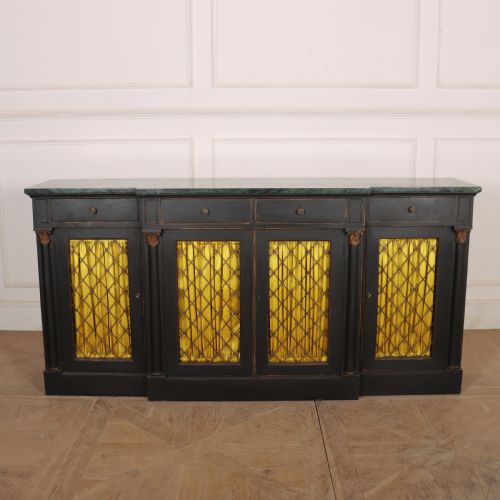
When you search for an edwardian marble topped credenza, you encounter a selection of heavy timber cabinets, side tables, washstands, and sideboards fitted with stone surfaces. The inventory spans several distinct eras and aesthetics rather than strictly the Edwardian period, drawing from Victorian, Regency, and late nineteenth-century origins.
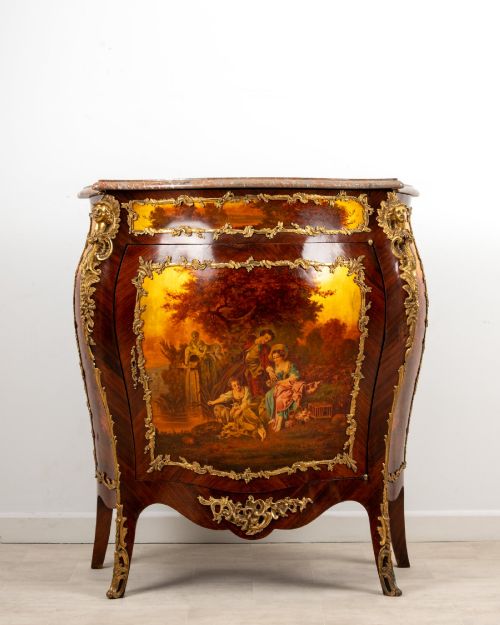
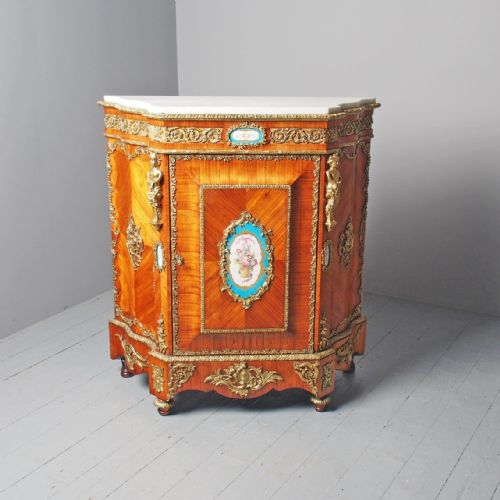
The objects frequently appear in forms such as side cabinets, side cupboards, and washstands incorporating marble tops. Makers utilised various woods including mahogany, walnut, rosewood, satinwood, and kingwood, often embellished with ormolu mounts, marquetry, or painted details.
Stylistic influences range widely across the pieces, encompassing Sheraton Revival, Louis XV and Louis XVI revivals, the Aesthetic Movement, and George III style. Buyers find that cabinets and sideboards dominate the selection alongside specialised washstands and side tables.
How they were made
Construction relies upon dense hardwoods like mahogany, walnut, and rosewood as the primary structural timbers, sometimes enhanced with finer veneers of satinwood and kingwood. These timbers provide the necessary strength to support heavy stone slabs.
Marble forms the defining top surface across the pieces, paired with decorative metal elements such as brass and ormolu mounts. Additional finishing techniques involve marquetry inlay and painted surfaces reflecting revival styles.
Edwardian Marble Topped Credenza Retail Price Guide 2026
Typical asking prices for edwardian marble topped credenza among the pieces listed under this phrase on Sellingantiques today, from the lower quarter to the upper quarter. They describe what is for sale here now, not the wider market.
The inventory spans Victorian, Regency, and nineteenth-century periods alongside Louis and Sheraton revival styles.
What varies in quality
Quality rests in the selection of timbers and the precision of veneer work, such as intricate marquetry and inlay across the cabinet doors. Finer examples display harmonious grain matching and sophisticated execution of revival styles.
The integration of the marble top and the quality of applied ormolu or brass mounts distinguish superior pieces. Metalwork that is crisply cast and securely fitted elevates the overall standard of the cabinetry.
The Edwardian Marble Topped Credenza Glossary
- Credenza
- A sideboard or cabinet used for storing or displaying items. These pieces typically feature low profiles and heavy stone surfaces.
- Ormolu
- Gilded bronze mounts applied to furniture for decoration. This technique adds metallic brilliance to timber surfaces.
- Marquetry
- Decorative patterns formed by inserting pieces of wood into a veneer. Craftsmen utilise this method to create intricate pictorial or geometric designs.
- Satinwood
- A durable hardwood with a natural golden sheen and smooth grain. It is frequently employed for fine inlay and cabinet panels.
Edwardian Marble Topped Credenza: Frequently Asked Questions
What is an edwardian marble topped credenza?
These pieces are heavy timber storage cabinets and sideboards topped with solid stone slabs. They combine functional storage with durable, decorative surfaces.
Buyers often use the term broadly to describe nineteenth-century and revival-style cabinets featuring marble tops. The selection includes sideboards, side cupboards, and washstands across various historic styles.
How were these cabinets used originally?
They served primarily for storage and display in principal rooms of the house. The stone surface provided a robust area for placing dishes, drinks, or decorative objects.
Washstands fulfilled a similar domestic role in bedrooms, utilising the marble surface to resist water splashes. Side cabinets and sideboards functioned as dining room storage for tableware.
How do I live with one?
Position the cabinet against a sturdy wall to support its substantial weight and stone top. Keep marble surfaces clean using soft cloths and avoid harsh chemical cleaners.
Protect the timber from direct sunlight and excessive moisture to preserve the polished finish. Ensure the floor can bear the combined weight of the heavy wood and stone.
How do I tell periods apart?
Examine the timber species, decorative motifs, and hardware to determine the era of manufacture. Regency pieces often display classical restraint, while Victorian examples lean toward heavier proportions and rich veneers.
Revival styles incorporate specific historical details, such as French ormolu mounts or Sheraton-inspired inlay. Construction methods and joinery inside the cabinets also offer clues to the date.