

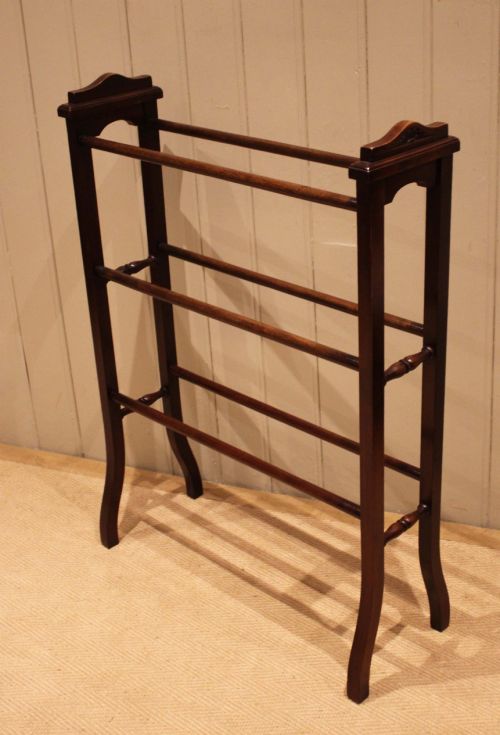
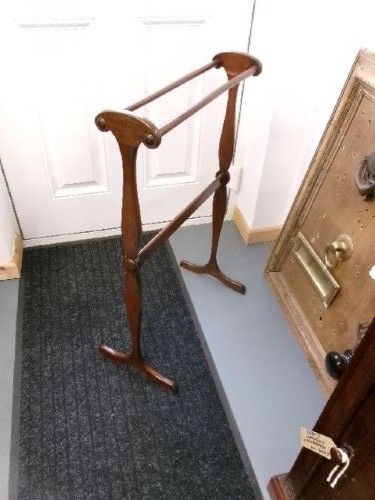

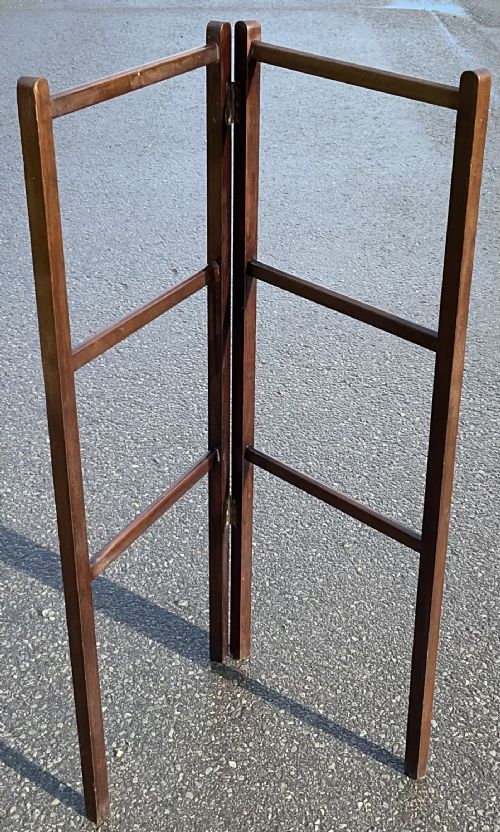


Edwardian Mahogany Clothes Rack
These Edwardian mahogany clothes rack examples are practical bedroom and bathroom fittings that bring period warmth and utility to daily organisation.
Edwardian Mahogany Clothes Rack
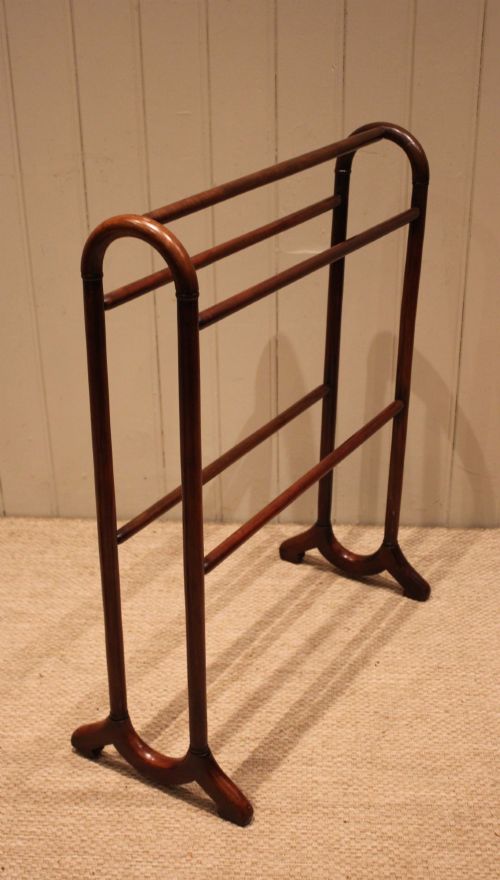
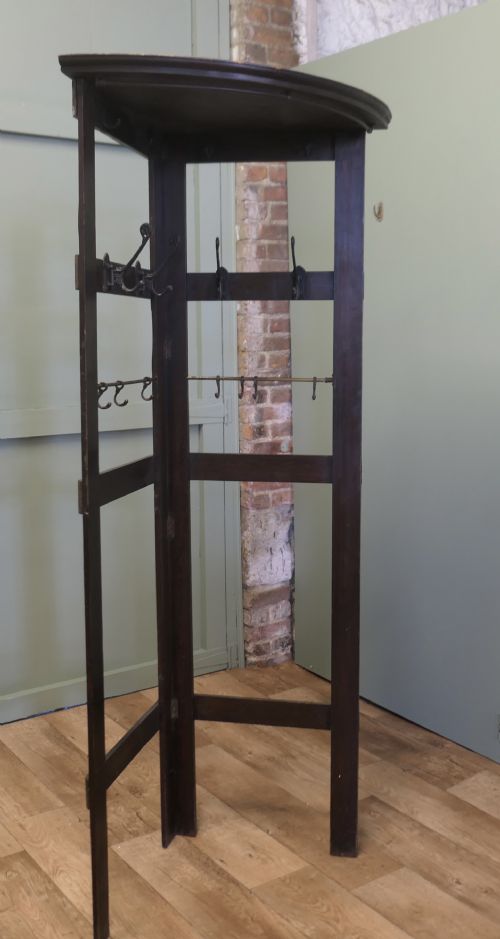
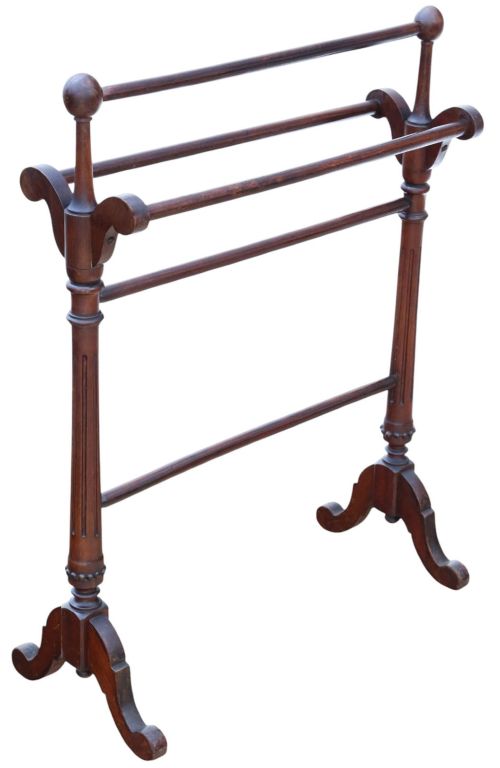
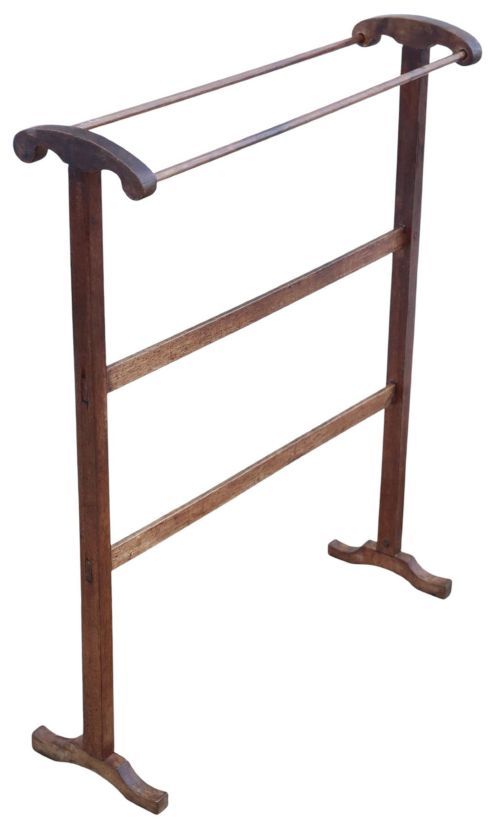
An edwardian mahogany clothes rack primarily takes the form of a towel rail stand, offering multiple wooden bars for hanging and airing garments or linens. These standing pieces range from compact versions to larger five bar designs, alongside folding formats that tuck away when not in use.
While the search specifies an edwardian mahogany clothes rack, the listings also encompass Victorian and Regency examples, as well as related bentwood coat and hat racks. Mahogany remains the dominant timber, often enhanced by satinwood inlay or combined with oak.
The buyer meets mostly Edwardian pieces on this page, reflecting the dominant period of manufacture seen across the listings. These standing rails and occasional folding racks serve both traditional and contemporary interiors as functional furniture.
How they were made
Makers constructed these pieces predominantly from solid mahogany, sometimes incorporating secondary timbers like oak, beech, or general hardwood in structural areas. Workshops utilised traditional joinery to build sturdy standing frames capable of supporting wet linen and heavier garments.
Surface decoration on finer examples relies on contrasting satinwood inlay, adding subtle geometric or floral detail to the warm reddish brown mahogany grain. Bentwood techniques appear in related coat and hat racks, showing steam bent curves that provide strength without heavy framing.
Edwardian Mahogany Clothes Rack Retail Price Guide 2026
Typical asking prices for edwardian mahogany clothes rack among the pieces listed under this phrase on Sellingantiques today, from the lower quarter to the upper quarter. They describe what is for sale here now, not the wider market.
A five bar rail gives you precisely five horizontal reasons to stop throwing clothes over the bedroom chair.
What varies in quality
Quality in these pieces rests upon the choice of timber and the precision of the joinery rather than complicated mechanisms. Superior examples display carefully figured mahogany grain and clean satinwood inlay work that remains crisp and intact.
The proportion and stability of the standing frame separate standard utility items from finer pieces. Better rails exhibit solid construction at the joints and feet, ensuring the structure stands plumb and handles daily use without looseness.
The Edwardian Mahogany Clothes Rack Glossary
- Mahogany
- A durable reddish brown tropical hardwood prized for its rich grain and stability in furniture manufacture. It forms the primary material for the majority of pieces on this page.
- Satinwood Inlay
- A decorative technique using contrasting pale yellow satinwood inserted into the mahogany surface. This creates delicate borders and visual interest.
- Bentwood
- Wood heated with steam until pliable, then bent into curved shapes. This technique produces lightweight yet resilient frames for coat and hat racks.
- Towel Rail Stand
- A freestanding wooden frame with horizontal rails designed for hanging and drying textiles. It serves as the primary form for edwardian mahogany clothes rack designs here.
Edwardian Mahogany Clothes Rack: Frequently Asked Questions
How were these racks used originally?
These pieces stood in bedrooms, dressing rooms, and nurseries to air nightwear, towels, and fresh laundry. Their portable standing design allowed servants or residents to move them near fireplaces for faster drying.
Today they serve a similar domestic purpose, functioning as decorative yet practical storage for blankets and garments in modern bathrooms or bedrooms.
Are folding rails less sturdy than standing ones?
Folding versions utilise hinged frames designed to collapse flat for storage when not in use. While they require careful handling at the pivot points, well made examples remain stable during everyday use.
Standing fixed frames offer rigid permanence, whereas folding variants trade a degree of absolute solidity for convenience and space saving flexibility.
How do I distinguish Edwardian from Victorian pieces?
Edwardian pieces generally exhibit lighter proportions, simpler lines, and often feature subtle satinwood inlay work. Victorian examples tend to be heavier in the timber and display darker, more robust construction.
Examining the grain, colour, and decorative restraint helps assign a piece correctly between these overlapping nineteenth and early twentieth century periods.
Can these hold heavy winter coats?
Most pieces on this page were built as towel rails or lighter clothes stands rather than heavy coat hooks. Standard towel rails handle linens and lighter garments easily, but heavy winter outerwear may strain the joints of smaller examples.
For coats and hats, the bentwood racks listed offer alternative framing better suited to heavier hanging garments.