
Edwardian Light Fitting
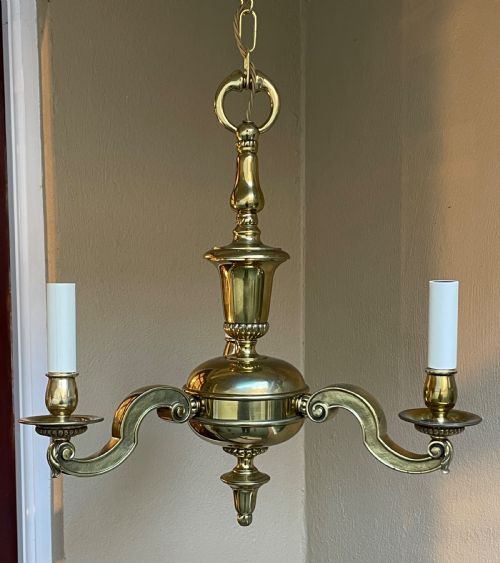
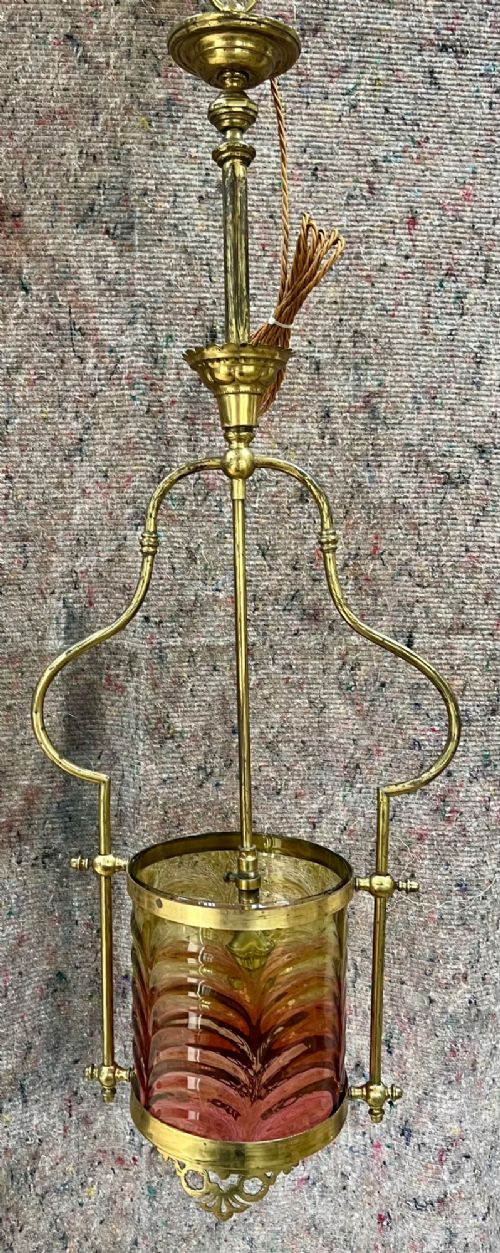
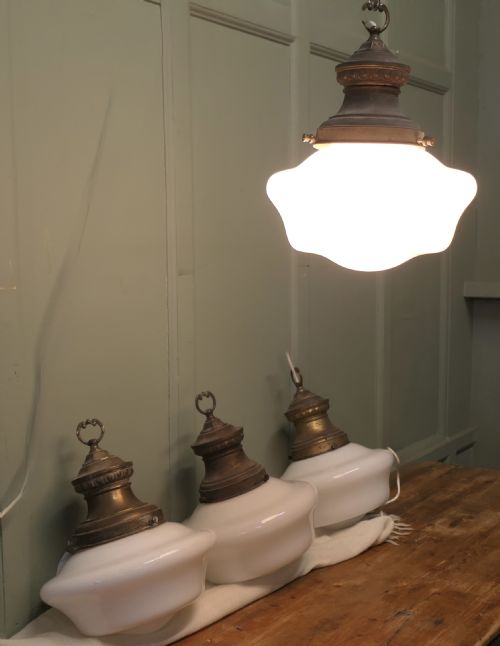
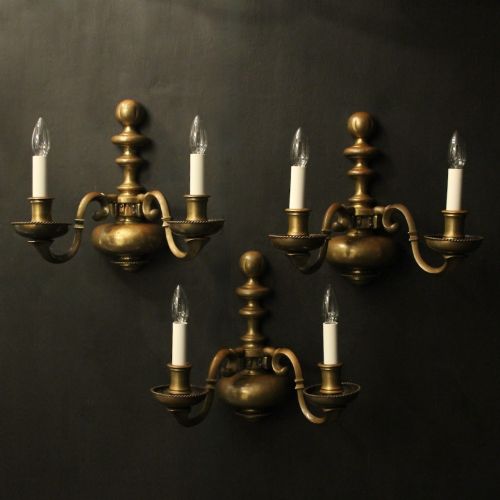
An edwardian light fitting brings period illumination to a room, ranging from simple brass pendants to elaborate cut glass crystal chandeliers.
Edwardian Light Fitting
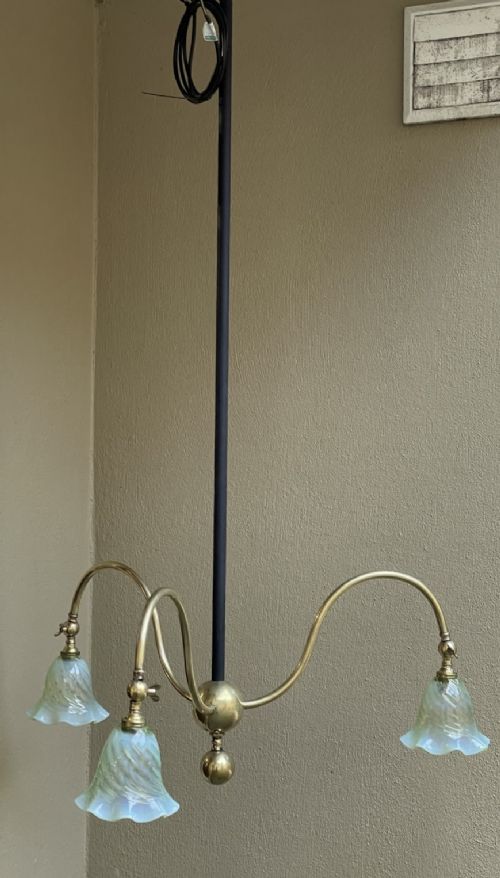
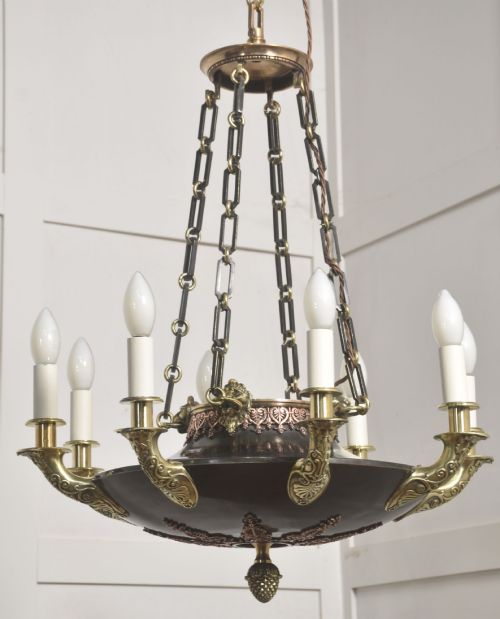
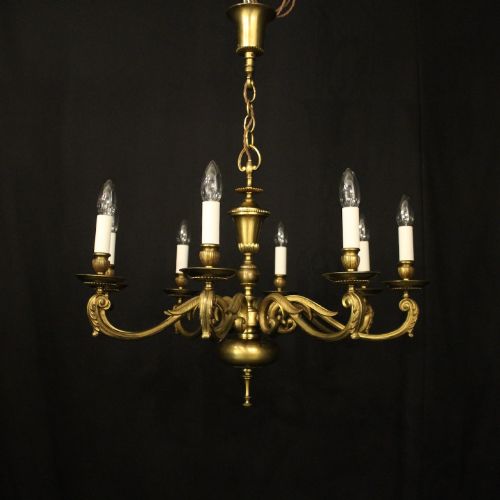
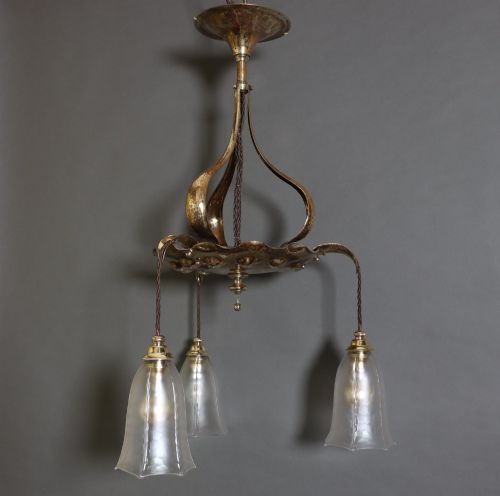
An edwardian light fitting comprises ceiling lights, chandeliers, wall lights, and table lamps originating primarily from the early twentieth century. The selection spans straightforward brass fixtures, Arts and Crafts designs, and ornate French styles adapted for British homes.
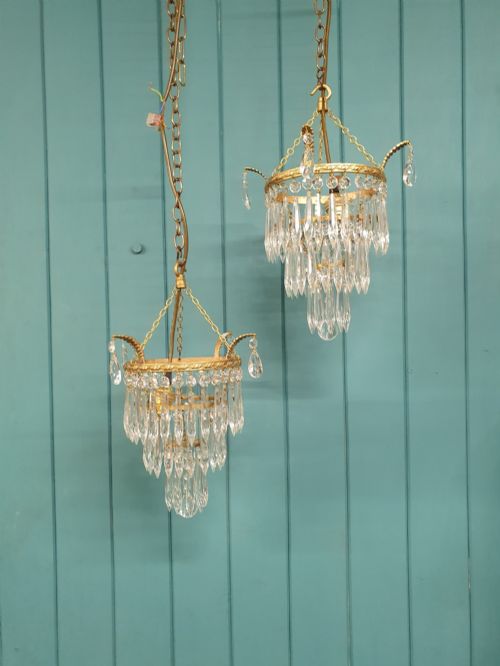
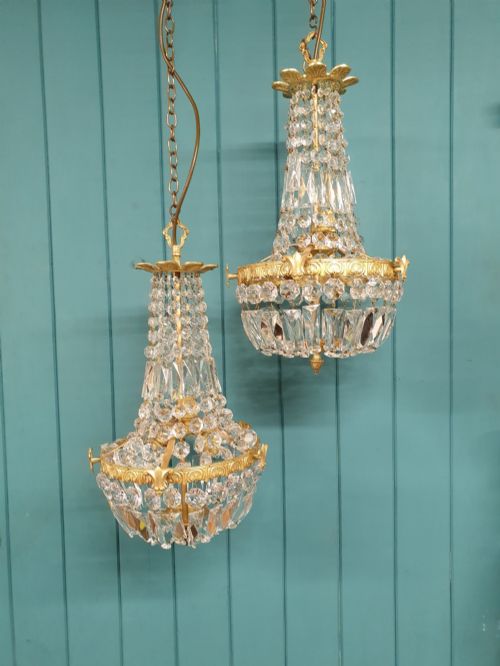
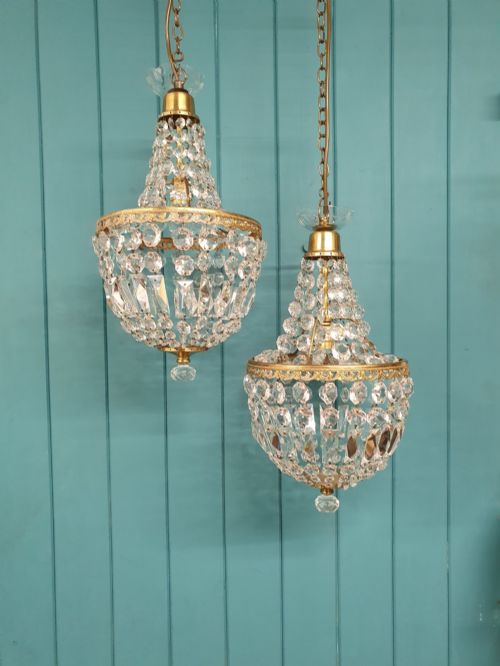
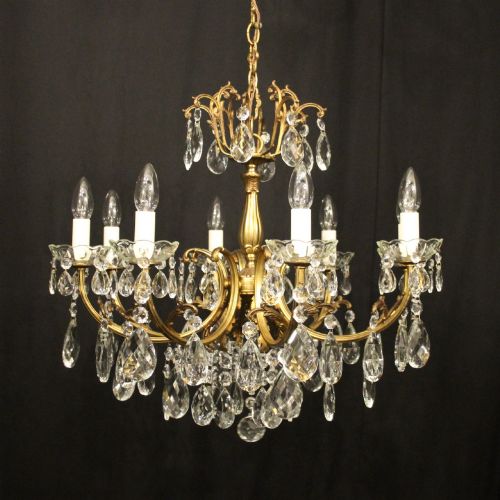
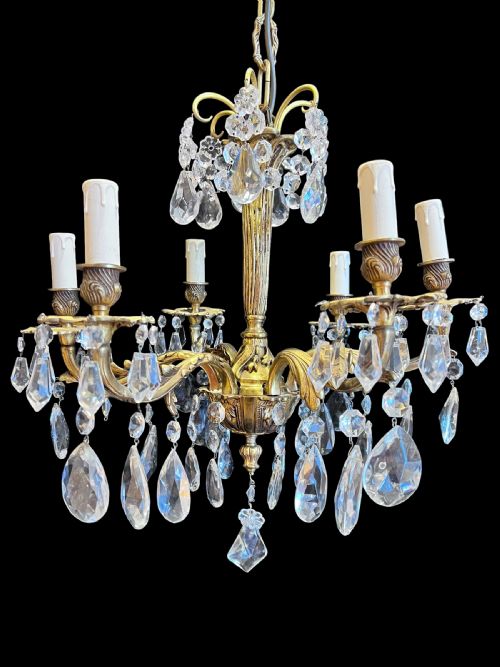
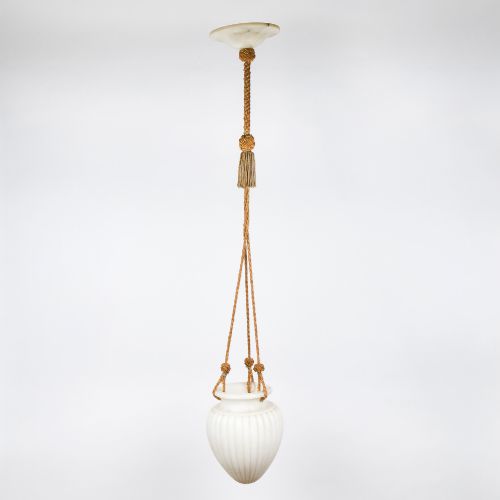
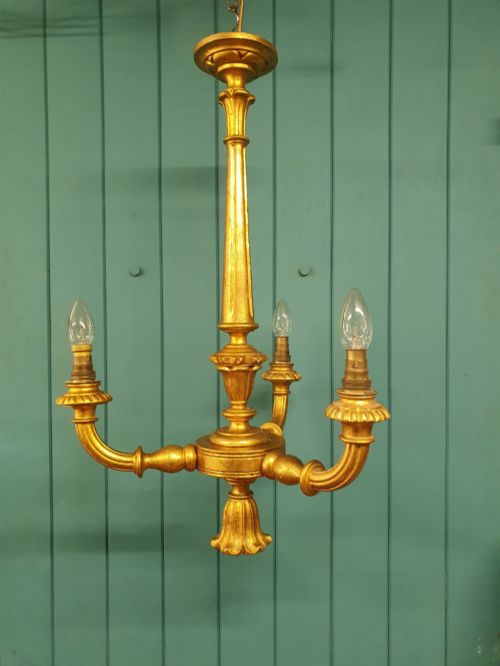
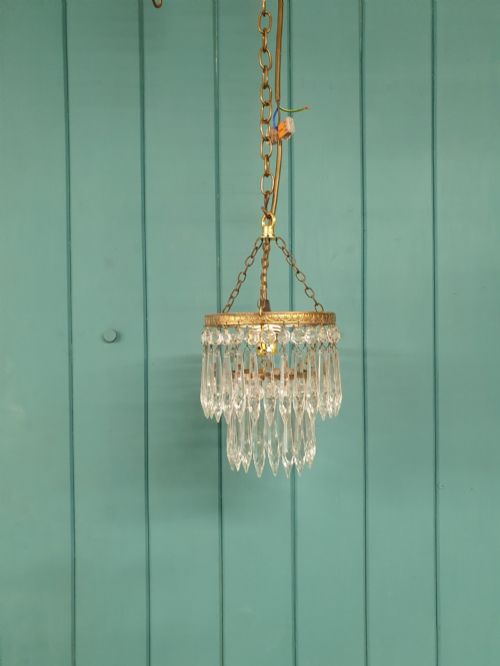
Buyers encounter hanging lanterns, bag chandeliers with crystal drops, and modest single-light pendants alongside multi-arm brass and bronze fixtures. Many examples incorporate period materials such as alabaster, carved giltwood, and moulded glass shades.
How They Were Made
Makers utilised cast and spun brass, bronze, and gilt metal alongside carved wood and iron for the structural frames. Metal components were frequently polished, nickel plated, or silver gilt to achieve a finished appearance.
Glass elements include hand-blown shades, moulded domes, and cut crystal prisms secured with brass pins and wire. Crystal drops such as coffin prisms and beads were assembled by hand to catch and refract the light.
Some Edwardian halls were illuminated by hanging lights adorned with fierce brass lion masks.
What Varies in Quality
The weight and thickness of the metal casting distinguish standard production fixtures from finer examples. Heavier brass and bronze mounts, deep hand-cutting on crystal prisms, and crisp chasing on decorative details elevate a piece.
Original components and intact period glass shades separate well-preserved survivors from heavily altered pieces. The integration of maker-marked components and refined surface gilding indicates superior original manufacture.
G.E.C·Royal Worcester
The Edwardian Light Fitting Glossary
- Bag chandelier
- A light fixture featuring a flattened or rounded base of glass drops tapering upwards toward a metal ring. This style directs light through dense clusters of crystal beads and pendeloques.
- Holophane
- A brand of prismatic glass designed to direct and diffuse illumination efficiently. These ribbed shades appear frequently in industrial and domestic Edwardian contexts.
- Ormolu
- Finely ground high-carat gold mercury-gilded onto a bronze base. This technique imparts a rich, warm metallic lustre found on high-end French and English mountings.
- Plafonniere
- A shallow ceiling-mounted bowl light that sits close to the plaster. These fixtures suit rooms with lower ceiling heights while maintaining decorative glass work.
- Tent and bag chandelier
- A lighting form combining an upper canopy of strung crystal beads forming a tent shape above a lower bag of drops. The design creates layered refraction from a central light source.
Edwardian Light Fitting: Frequently Asked Questions
How do I wire an antique light fitting?
Rewiring requires taking the fixture to a qualified electrician who can replace perished internal cables with modern insulated flex while retaining the original brass holders where possible.
Earth safety and weight distribution must be assessed before hanging heavier bronze or crystal chandeliers from modern ceilings.
What rooms suit an Edwardian ceiling light?
Pendant lights and small dome chandeliers work well in hallways, bedrooms, and studies with standard ceiling heights. Larger multi-arm chandeliers require higher ceilings to provide adequate clearance and visual balance.
Matching the metal finish to existing door furniture helps integrate the piece into the room.
Are glass shades usually original?
Many surviving fixtures retain their blown or moulded glass shades, though replacements are common due to accidental breakages over the decades. Examining the glass tint, thickness, and rim wear helps determine period authenticity.
Matching old prisms to a vintage frame requires careful attention to the cut and clarity of the crystal.
How do I clean a crystal chandelier?
Maintenance involves wiping individual glass drops and prisms with a dilute solution of warm water and mild detergent while the fixture hangs in place. Drying each piece with a soft cloth prevents water spots and restores the sparkle.
Harsh chemical cleaners should be avoided to protect the underlying brass or gilt bronze surfaces.