



Edwardian Library Ladder
An edwardian library ladder brings practical height and traditional carpentry into domestic spaces.
Edwardian Library Ladder
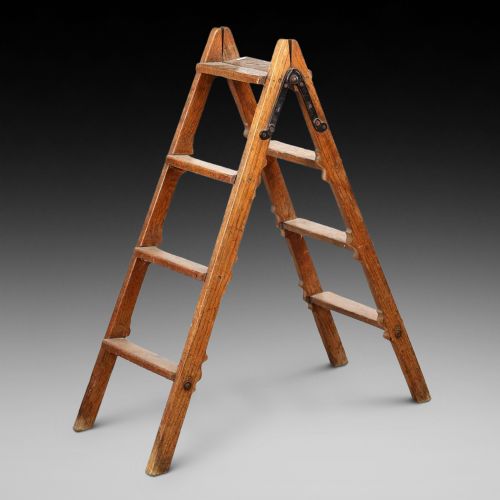
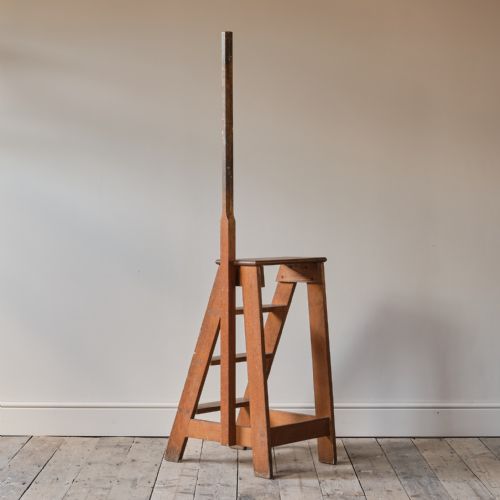
An edwardian library ladder encompasses freestanding flights of steps, tall wooden loft ladders, and convertible furniture pieces designed for reaching high shelves. Buyers searching for an edwardian library ladder often encounter sturdy timber frames built to withstand daily use in private collections or studies.
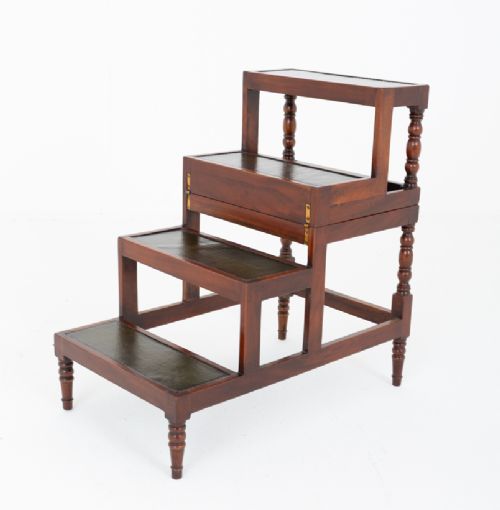
The pieces listed on this page span several eras including Victorian, Late Victorian, and Edwardian periods, alongside early twentieth century examples. Oak and mahogany dominate the construction, appearing alongside leather inserts, brass fittings, and upholstery studs on convertible chair designs.
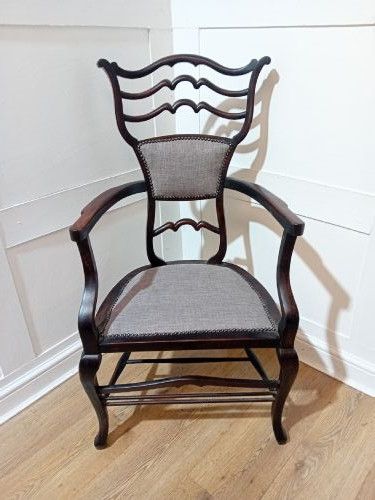
Metamorphic forms serve a dual purpose, shifting seamlessly from a standard armchair into a functional set of library steps. Traditional library steps and tall wooden loft ladders provide the primary configurations found across these listings, offering different approaches to vertical access.
Construction and materials
Cabinet makers utilised dense hardwoods such as oak and mahogany to build frames capable of supporting substantial weight during climbing. These timbers were selected for their structural integrity, ensuring stability whether the piece took the form of a static flight of steps or a folding metamorphic chair.
Secondary details frequently incorporate brass hardware for hinges and pivots, alongside leather treads or upholstery studs on convertible seating models. Hardwood and pine provide the foundational structure for taller ladders and multi-tiered steps designed for domestic or institutional libraries.
Edwardian Library Ladder Retail Price Guide 2026
Typical asking prices for edwardian library ladder among the pieces listed under this phrase on Sellingantiques today, from the lower quarter to the upper quarter. They describe what is for sale here now, not the wider market.
Some chairs double as impromptu ladders, proving that Victorians loved furniture with secret identities.
Assessing quality and craftsmanship
Superior examples demonstrate precise joinery and smooth mechanical transitions in metamorphic items, where moving wooden components align perfectly in both chair and step configurations. The integration of high-grade mahogany or golden oak with intact leather surfaces elevates the standing of a piece.
Simpler utility ladders rely on straightforward pine or oak construction without secondary decorative elements, representing a more functional approach to library access. The distinction between standard domestic steps and grand library fixtures lies in the proportion of the timber and the refinement of the finishing work.
The Edwardian Library Ladder Glossary
- Metamorphic chair
- A dual-purpose item of furniture that transforms from a seat into a set of library steps through hinged mechanisms. This clever design allows a single piece to serve two distinct functions in a compact room.
- Library steps
- A freestanding wooden staircase built on a smaller scale for domestic book collections. These flights range from compact three-tier units to large proportions suitable for tall shelving.
- Edwardian period
- The era spanning from nineteen hundred to nineteen ten, characterised by lighter furniture designs and a revival of classical styles. Pieces from this time often refine heavier Victorian proportions.
- Arts and Crafts style
- A design movement focusing on traditional craftsmanship, visible grain, and simple construction without excessive ornamentation. Oak pieces from this aesthetic emphasise natural material qualities.
- Mahogany
- A durable, reddish-brown tropical hardwood favoured for fine cabinet making and library furniture throughout the nineteenth and early twentieth centuries. Its stability makes it ideal for load-bearing ladder treads.
Edwardian Library Ladder: Frequently Asked Questions
What is a metamorphic library chair?
A metamorphic library chair is a clever piece of furniture designed to transform from a conventional armchair into a sturdy flight of steps. This dual functionality allowed homeowners to reach high bookshelves without storing a separate ladder.
Craftsmen engineered hidden hinges and pivoting wooden sections that lock securely into place whether used for sitting or climbing. These items combine comfortable upholstery with practical utility in compact studies.
How do I date an antique library ladder?
Dating relies on examining the timber species, construction methods, and stylistic cues present in the woodwork. Pieces from the Victorian era typically feature heavier proportions and darker finishes, whereas Edwardian items often display lighter golden oak or mahogany.
Hardware components such as brass hinges and upholstery studs also offer clues regarding the manufacturing period. Comparing these physical characteristics with recorded stylistic eras helps establish a timeline.
Are these ladders safe to climb?
These historical wooden steps and ladders were built for genuine utility using dense hardwoods like oak and mahogany. Their robust construction generally provides reliable support when placed on a flat, stable surface.
Buyers should verify the stability of joints and hinges before putting older items to active use. Regular placement on even flooring ensures safe climbing for daily household tasks.
What woods were used for library steps?
Cabinet makers predominantly utilised oak and mahogany to construct sturdy frames capable of withstanding regular weight. Golden oak appears frequently in pieces from the early twentieth century, offering both strength and distinct grain patterns.
Pine and other secondary hardwoods also feature in utilitarian loft ladders and internal framing components. Leather inserts occasionally top the treads on finer mahogany examples.