

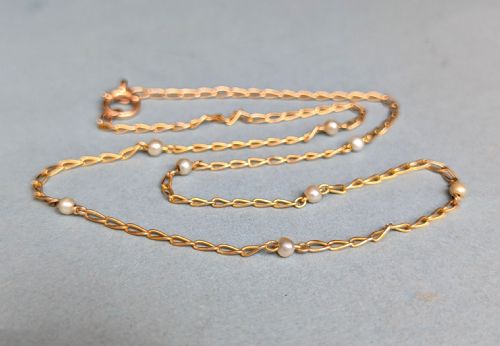


Edwardian Gold Necklet
An Edwardian gold necklet brings delicate craftsmanship and precious gems together, offering a refined piece of history to wear daily.
Edwardian Gold Necklet
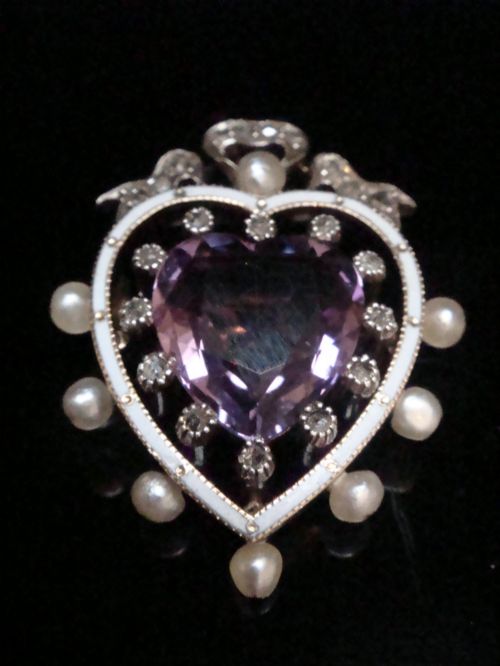
An Edwardian gold necklet encompasses delicate pendants and fine chains created during the early twentieth century, featuring distinct periods like Edwardian alongside Victorian and Art Deco examples. These pieces typically display intricate openwork frames set with pearls, diamonds, and coloured stones such as amethyst, peridot, and aquamarine.
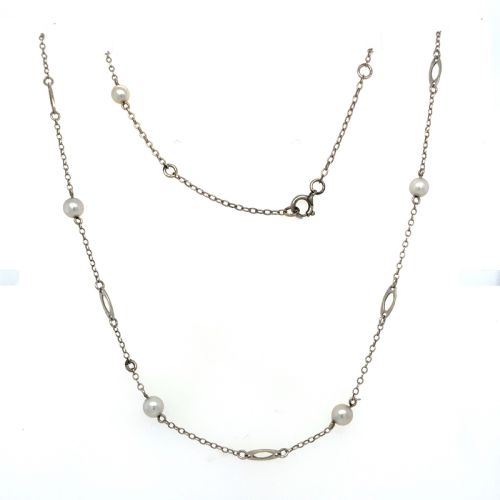
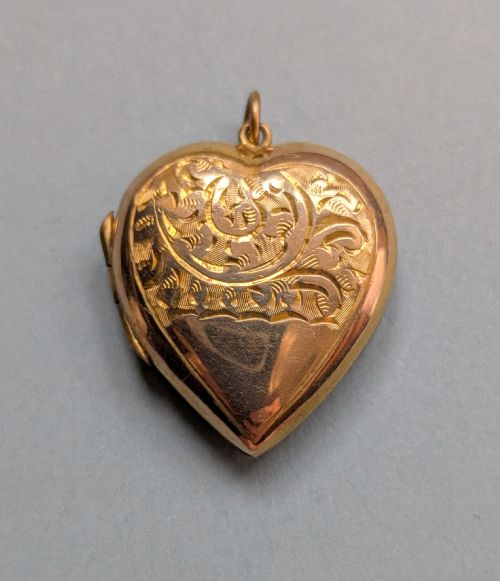
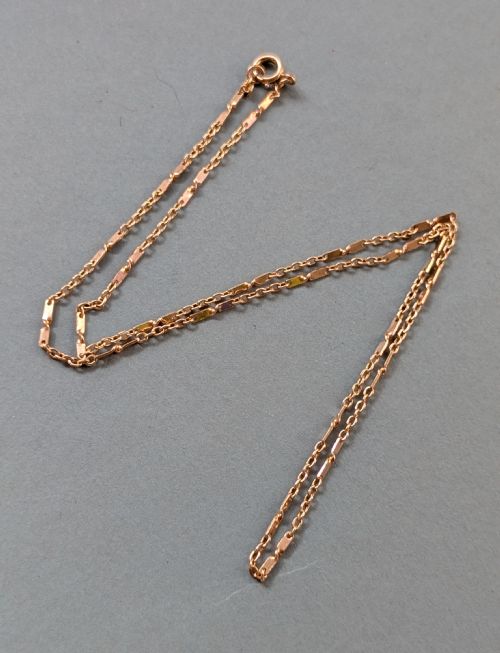
The version most commonly met on this page combines warm yellow or rose gold with seed pearls and central gemstone clusters, often taking the form of lavalier pendants or floral garland designs. Chain necklaces fitted with dog clips and bolt rings also appear, representing the practical fastening methods of the era.
Materials and construction
Goldsmiths utilised various purities of gold, including 9ct, 15ct, and 18ct variants, sometimes pairing the yellow metal with platinum or white gold for specific settings. Chains and pendant mounts were shaped by hand, incorporating hollow back-and-front constructions in certain lockets or solid casting for heavier stone settings.
Gemstones such as diamonds, opals, garnets, and moonstones were secured using fine claw settings or bezel mounts, while pearls and seed pearls were meticulously drilled and threaded or pegged. Enamel work, specifically guilloche enamel, added coloured detail to gold surfaces through controlled kiln firing.
Precious stones documented across these pieces include diamonds, opals, aquamarines, amethysts, garnets, peridot, and moonstones.
Evaluating the standard
The standard of a piece rests upon the crispness of its metalwork and the uniformity of its set stones, where delicate pierced galleries and securely flush-set gems distinguish finer workshops. Heavier gold purities and complex multi-stone layouts, such as combined diamond and aquamarine clusters, indicate higher initial cost and superior craftsmanship.
Original components significantly elevate a piece, meaning that matching clasps, intact enamel without chipping, and original chain links retain the integrity of the design. Wear patterns on gold surfaces and replacement stones alter this baseline, shifting the balance from pristine originality to later restoration.
The Edwardian Gold Necklet Glossary
- Garland necklace
- A style featuring symmetrical swags and floral motifs reminiscent of eighteenth-century French decoration, popular during the Edwardian era. These designs use open metalwork to create a lightweight, airy effect around the neck.
- Lavalier
- A pendant featuring a primary gemstone suspended from a shorter secondary drop, popularised in the early twentieth century. This configuration allows the lower stone to swing freely with movement.
- Seed pearl
- A very small, naturally formed or early cultured pearl, often unblemished and round, used extensively in clusters and border work. Jewellers typically thread these onto fine wire or silk within delicate gold frames.
- Guilloche enamel
- A decorative technique where transparent enamel is applied over mechanically engraved metal, showing a repeating geometric pattern beneath the colour. This method creates depth and light reflection on pendant surfaces.
- Dog clip
- A spring-loaded swivel fastening used on antique watch chains and necklace lengths to secure pendants or link ends. The mechanism relies on an internal spring tongue that retracts when pressed.
Edwardian Gold Necklet: Frequently Asked Questions
How do I care for an antique gold necklet?
Clean these delicate items using a soft dry cloth, avoiding harsh chemical dips that can damage pearls, opals, and enamelled surfaces.
Store each piece flat in a lined box to prevent chains from tangling and to protect fragile gemstone settings from impact.
Are these chains original to the pendants?
Many antique pendants survived alongside their original chains, fitted with period fastenings like bolt rings or dog clips.
Other pieces have been paired with replacement chains from a similar era to ensure they remain wearable today.
What distinguishes Edwardian style from Victorian pieces?
Edwardian jewellery generally favours lighter, airier platinum and high-karat gold frames with diamonds and pearls, creating lace-like motifs.
Victorian designs often employ heavier yellow or rose gold settings with denser gemstone arrangements and darker stones.
Can I wear an Edwardian necklet every day?
While these items were built with durable gold, their delicate seed pearls and openwork frames require gentle treatment.
Removing the necklace during physical activities prevents accidental bending of the fine metal wires and preserves fragile gems.