
Edwardian Gold Link Chain
An edwardian gold link chain carries the distinct heft and intricate linkages of the early twentieth century, sought after for daily wear and historical character.
Edwardian Gold Link Chain
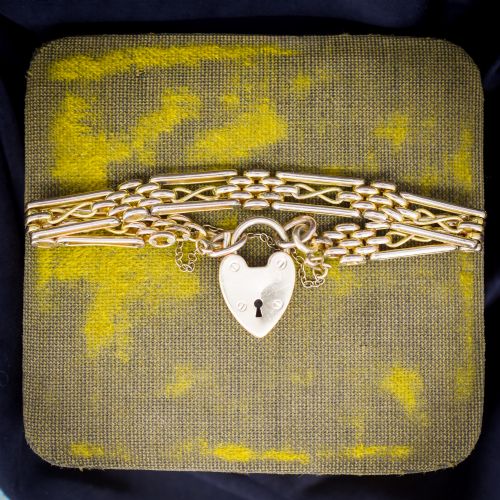
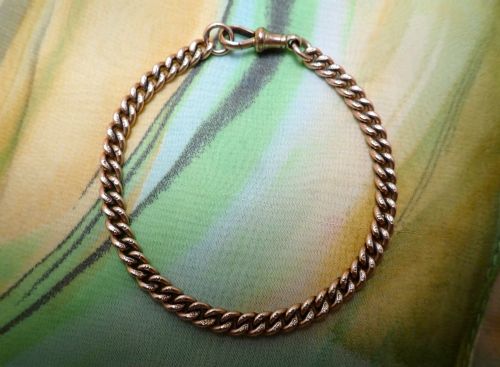
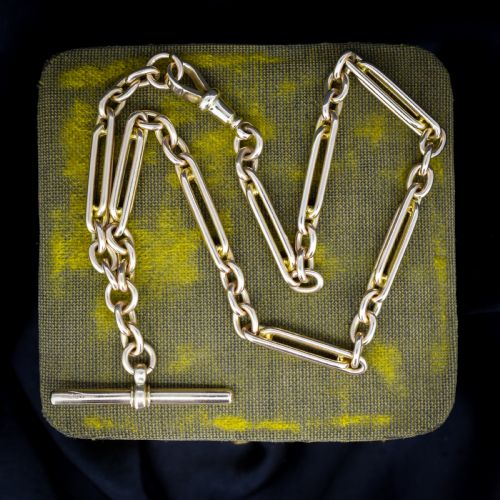
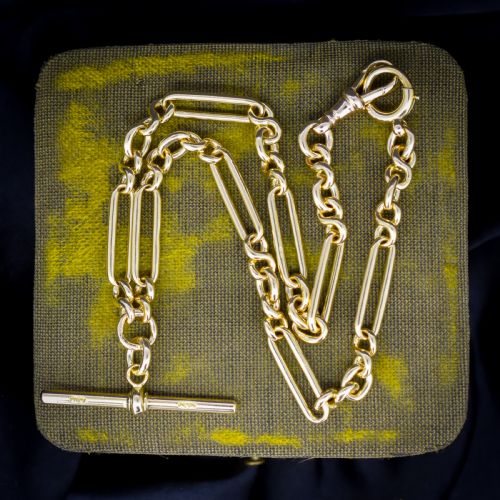
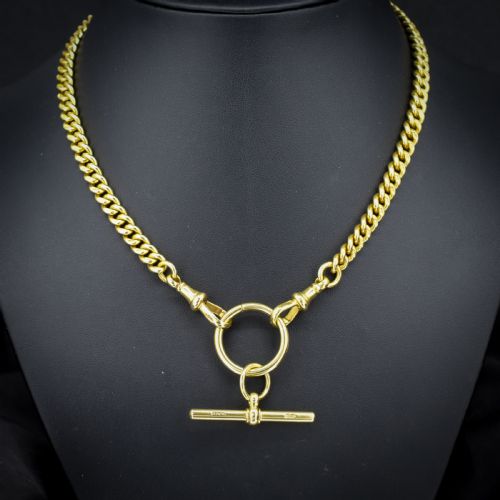
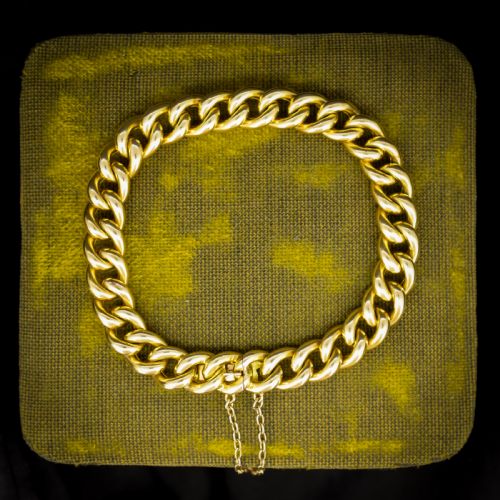
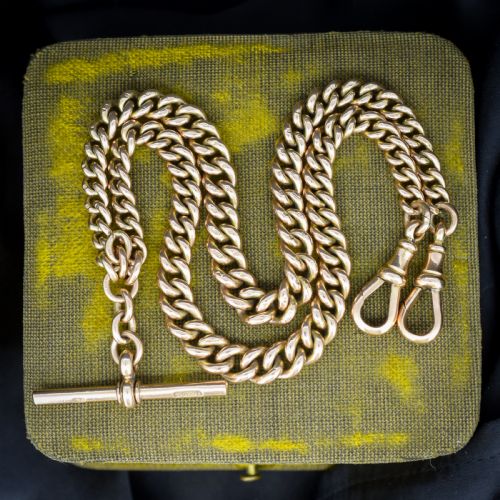
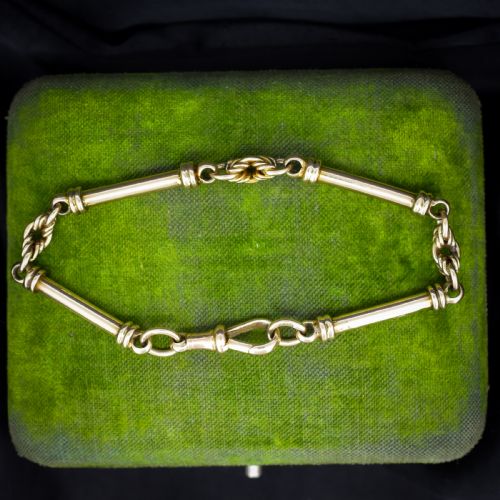
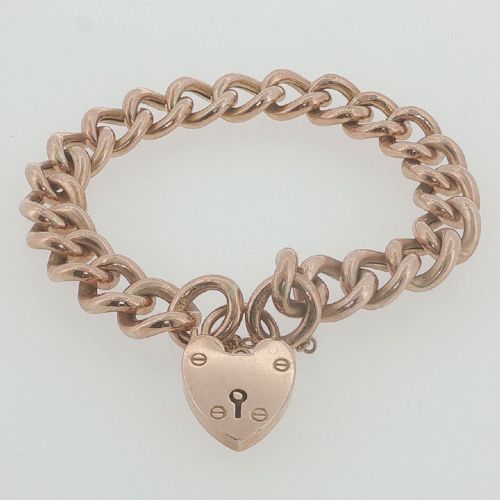
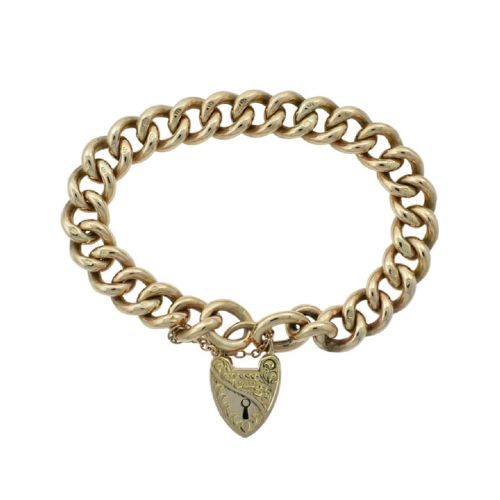
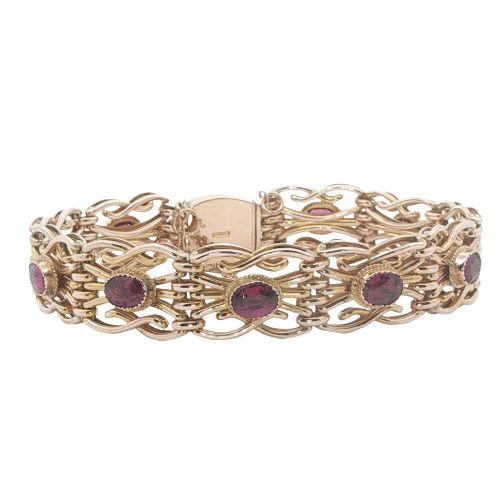
An edwardian gold link chain encompasses robust watch chains, long guard chains, and refined necklaces originating from the early decades of the twentieth century. These pieces reflect the intricate metalwork of the period, taking forms such as curb links, trombone links, and gate bracelets often fitted with dog clips or heart padlocks.
The versions most commonly met on this page are 9ct rose gold and yellow gold pieces, alongside heavier 15ct and 18ct examples from the Edwardian era and surrounding Victorian and 1920s years. They appear frequently as substantial guard chains intended to be doubled or shorter neckchains and bracelets designed for practical daily use.
How they were made
Makers fashioned these pieces from 9ct, 15ct, and 18ct gold alloys in both yellow and rose shades, alongside rolled gold variants for a lighter build. Links were individually formed, soldered, and sometimes hallmarked on every single link for official assay office verification.
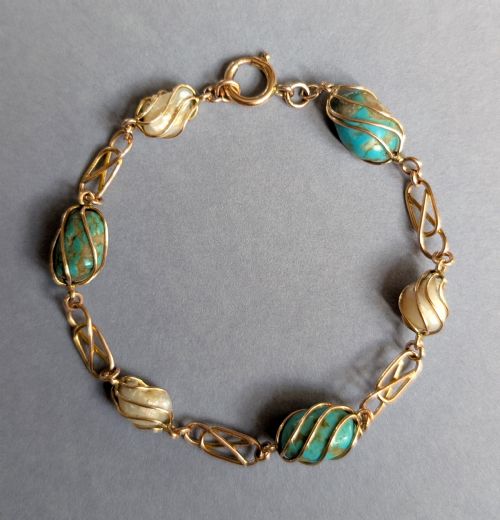
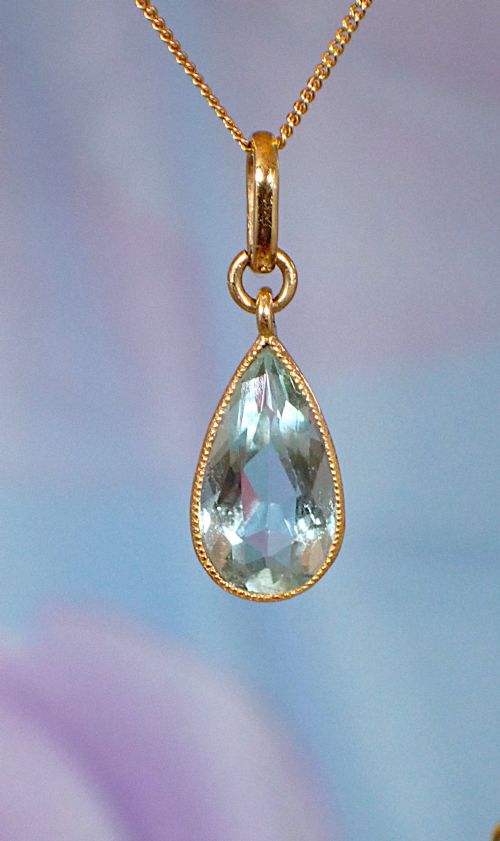
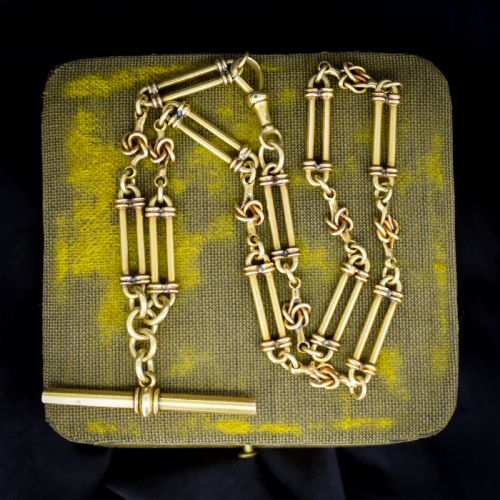
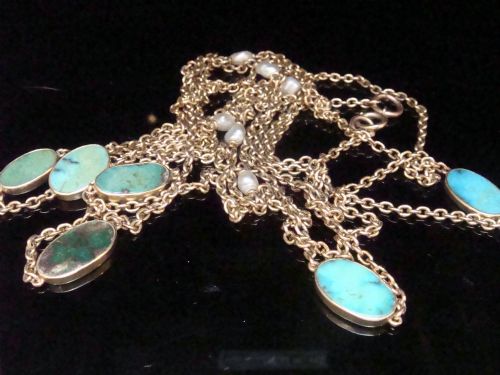
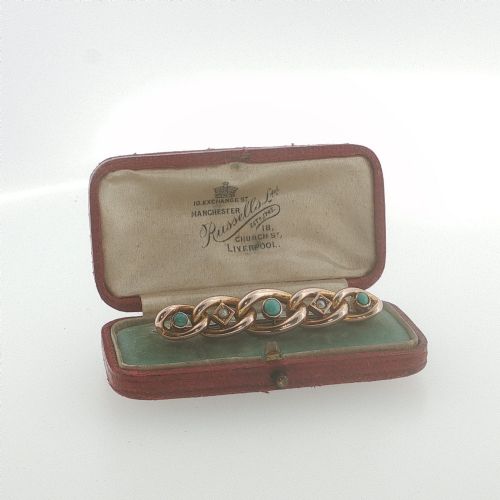
Ornate detailing relied on hand engraving, tubular bar construction, and the incorporation of gemstones such as turquoise, seed pearls, almandine garnets, and aquamarines. Secure fastenings like swivel dog clips, bolt rings, and heart padlocks were integrated directly into the design of the links.
Some chains carry hallmarked stamps on literally every single link, proving that Edwardian assayers took deep satisfaction in repetitive striking.
What varies in quality
The calibre of a chain is evident in the solidity of the metal and the precision of the link construction, distinguishing heavy solid gold guard chains from hollow or rolled gold alternatives. Higher grade items often display complete hallmarks across multiple individual links rather than a single stamp.
Execution of decorative elements such as half-engraved patterns, integrated love knots, and secure clasps like dog clips or heart padlocks determines the overall refinement of the piece. The choice of materials, from plain gold to those set with natural pearls and turquoise, marks the distinction between standard utility chains and finer decorative jewellery.
The Edwardian Gold Link Chain Glossary
- Albert chain
- A short watch chain designed to be attached to a waistcoat buttonhole, frequently featuring a T-bar at one end.
- Dog clip
- A spring-loaded swivel fastening commonly used on watch chains and bracelets to secure a pendant, padlock, or fob.
- Longuard chain
- An extra-long necklace, often measuring over thirty inches, intended to be worn doubled or draped around the neck.
- Trombone link
- A jewellery link pattern composed of alternating short rectangular and long narrow bars, reminiscent of musical instrument tubing.
- Heart padlock
- A clasp shaped like a miniature padlock, frequently used as the primary fastening on gate bracelets and heavy curb chains.
Edwardian Gold Link Chain: Frequently Asked Questions
How were longuard chains worn?
Longuard chains were traditionally worn doubled around the neck or draped to their full length, providing a secure way to carry pocket watches or small tools.
The substantial length allowed the wearer to attach dog clips to watches tucked securely into pockets or waistbands while keeping the decorative links visible.
What is a trombone link?
A trombone link is a specific geometric chain design made up of short rectangular sections joined by longer linear bars.
This pattern provides both structural strength and visual variety, appearing frequently in antique watch chains and necklaces from the early 1900s.
How do I distinguish Edwardian from Victorian chains?
Edwardian chains generally exhibit lighter, airier designs with delicate filigree or platinum accents, whereas Victorian pieces often feature heavier, wider bands and robust yellow or rose gold settings.
Assay marks, hallmarks, and style markers help confirm the precise period of manufacture when stylistic overlap occurs between the late nineteenth and early twentieth centuries.