

Edwardian Gold Diamond Band
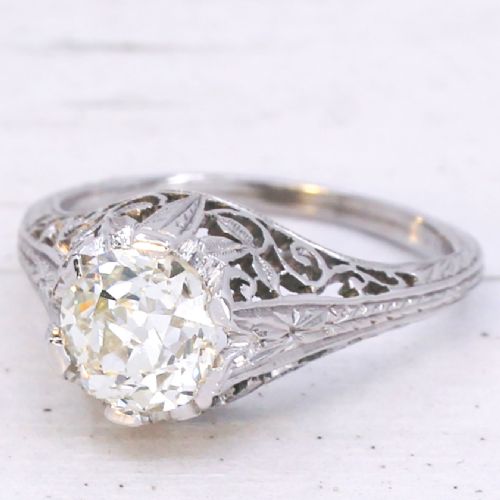
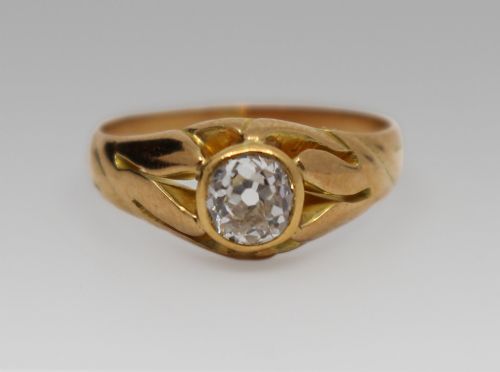
When you search for an edwardian gold diamond band, you step into an era where master jewellers set old cut diamonds in gleaming 18ct yellow gold and platinum.
Edwardian Gold Diamond Band
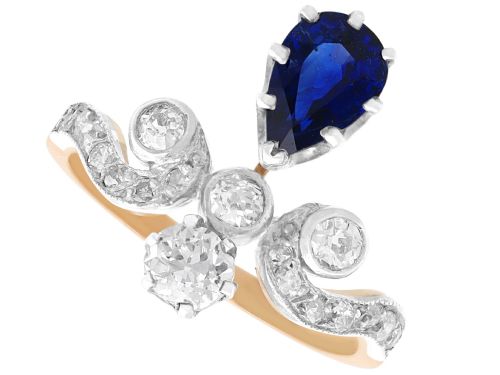
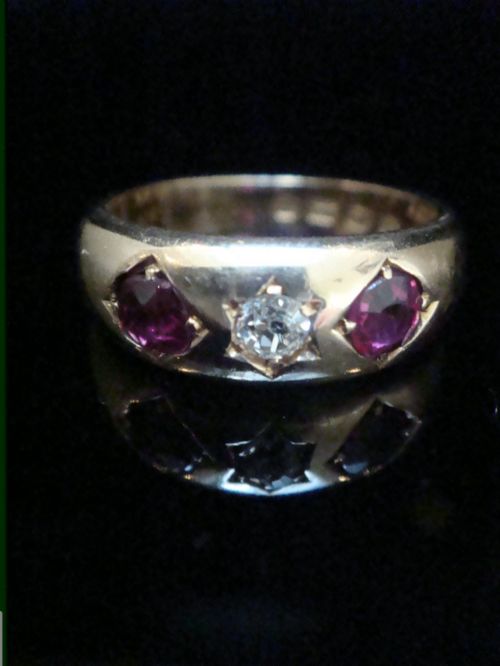
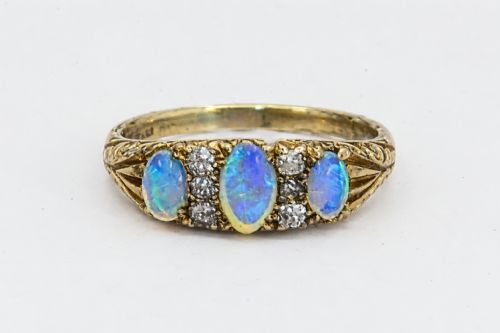
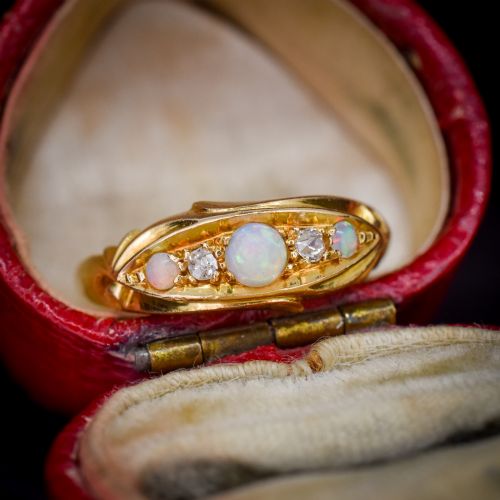
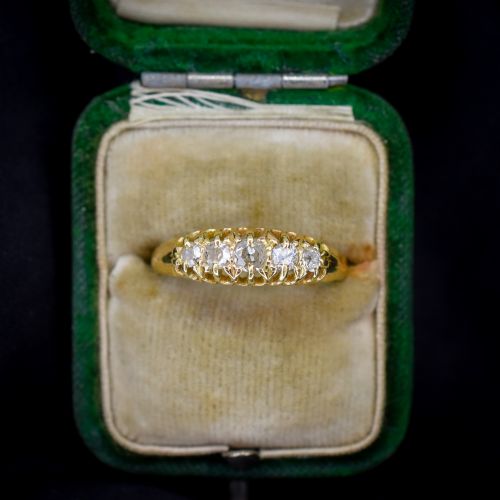
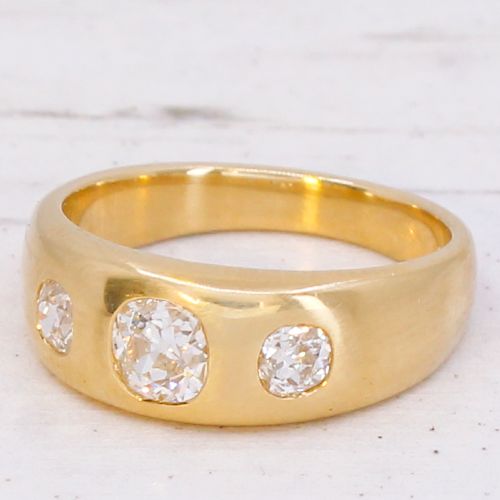
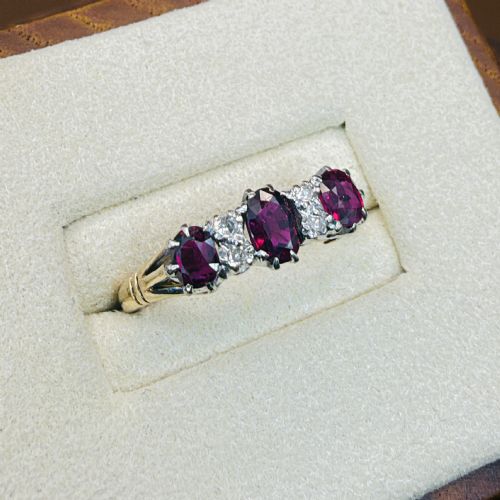
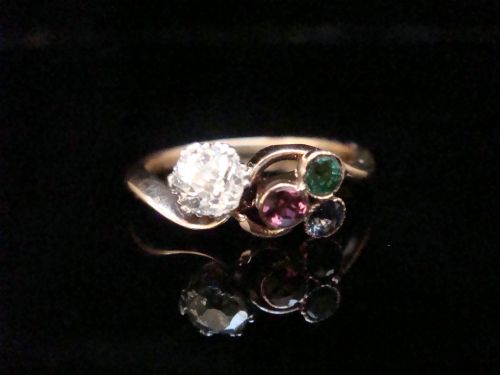
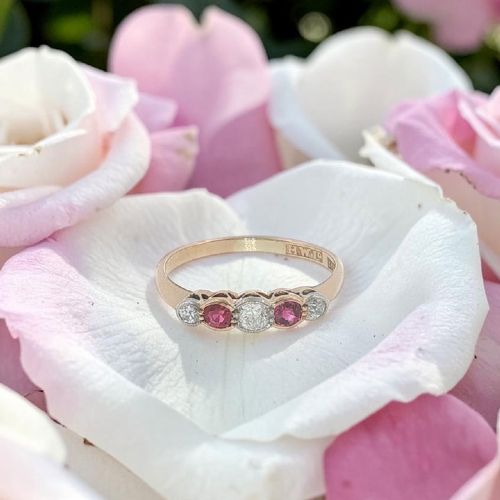
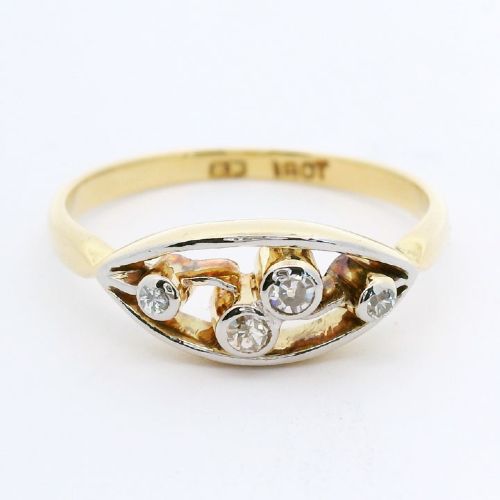
An edwardian gold diamond band brings together the refined elegance of the early twentieth century and the durable warmth of 18ct yellow gold. Buyers seeking this phrase encounter ring forms ranging from boat shapes and gypsy settings to multi-stone configurations set with genuine diamonds alongside rubies, sapphires, and opals.
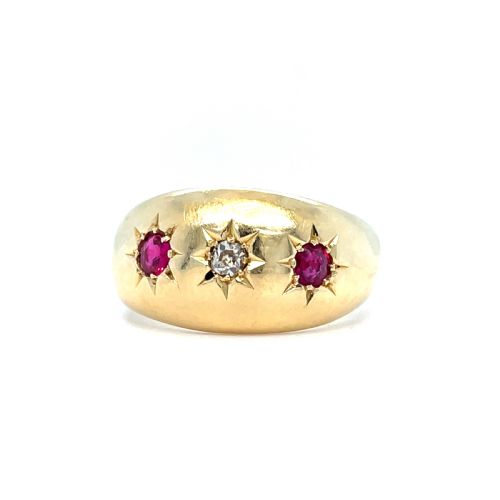
The material palette recorded in these rings spans 18ct yellow gold, platinum, and occasional rose gold, reflecting the transitional metalwork of the period. Many examples incorporate traditional boat designs or starburst motifs that exemplify the distinct aesthetic of the early 1900s.
While the stylistic anchor remains firmly in the Edwardian era, related pieces from late Victorian and early Art Deco periods also appear. These rings share common structural traits, utilising secure claw settings and flush gypsy mounts designed for everyday wear.
Materials and Methods
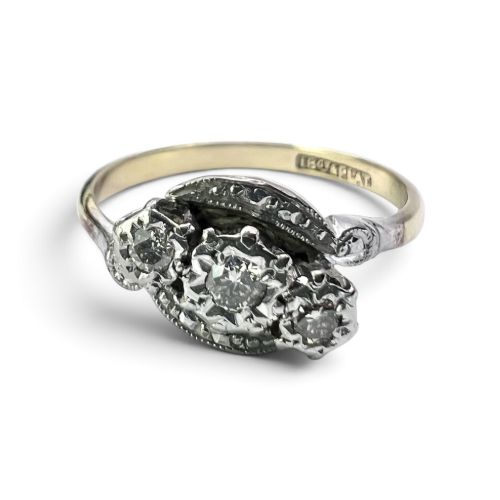
Goldsmiths utilised 18ct yellow gold as the primary foundation, often pairing it with platinum to mount diamonds securely and highlight their brilliance against a white metal surface. This dual-metal technique allowed craftsmen to create delicate visual contrasts while maintaining structural integrity.
Gemstones such as old cut diamonds, rubies, and sapphires were hand-set into boat rings, cluster arrangements, and gypsy bands. The stones exhibit characteristic early faceting styles, including old European and rose cuts, which produce a softer, deeper scintillation than modern brilliant cuts.
Several serpent-themed gold band rings slither through the historical records to remind us that Edwardians loved a bit of gothic drama.
Markers of Quality and Craftsmanship
The distinction between standard production and exceptional work rests on the precision of the hand-carved settings and the symmetry of the stone arrangement. Superior bands display meticulous attention to detail in the engraving and starburst stampings around the gems.
The choice of gemstones and the integrity of the original metalwork dictate the overall standing of a ring. Uniformity in stone size, well-matched colour saturation in rubies or sapphires, and minimal wear to the gold shanks elevate certain examples above others.
The Edwardian Gold Diamond Band Glossary
- Old Cut
- A diamond faceting style prevalent before modern brilliant cuts were standardised, featuring a smaller table and larger culet that produce a distinctive candlelit sparkle.
- Gypsy Ring
- A ring style where gemstones are flush-set directly into the thick gold band, creating a smooth, seamless exterior surface.
- Boat Ring
- A navette-shaped ring setting featuring a tapered silhouette reminiscent of a boat hull, often housing multiple gemstones in a row.
- Trilogy Ring
- A three-stone ring configuration representing the past, present, and future, frequently combining diamonds with sapphires or rubies.
- Toi Et Moi
- A French term meaning you and me, describing a two-stone ring design where twin gems sit side by side as romantic partners.
Edwardian Gold Diamond Band: Frequently Asked Questions
How do I care for my Edwardian gold diamond band?
Clean your ring gently using warm water, mild soap, and a soft-bristled brush to remove daily debris from beneath the stone settings. Avoid harsh ultrasonic cleaners, especially if the piece contains softer gemstones like opals or pearls.
Store the ring separately in a fabric-lined box to prevent the 18ct gold shanks and diamond facets from scratching against other items in your collection.
Can I wear an antique gold band every day?
These rings were built for daily wear by Edwardian owners, utilising robust 18ct gold and durable flush or boat settings. Regular use is entirely appropriate provided you take sensible precautions.
Remove the ring during heavy manual labour, gardening, or swimming to protect the antique gold claws and older stone cuts from unnecessary impact.
How do I identify an authentic Edwardian ring?
Look for hallmark stamps indicating British assay offices along with the characteristic warmth of 18ct yellow gold and platinum top-settings. The presence of hand-cut old European or rose-cut diamonds further supports the period origin.
Examine the construction for signs of hand craftsmanship, such as subtle irregularities in the metalwork that distinguish antique pieces from modern reproductions.
What gemstones are commonly found alongside diamonds?
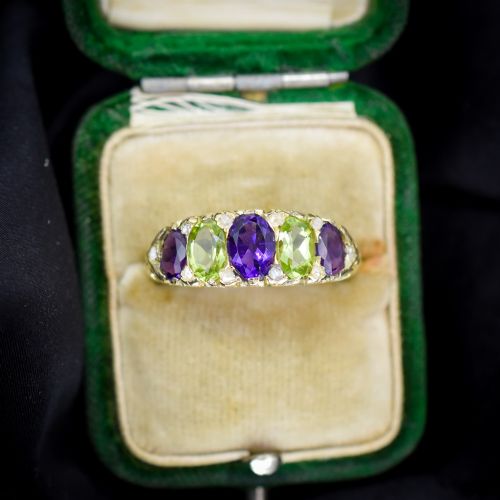
Rubies and sapphires frequently accompany diamonds in these bands, often arranged in multi-stone configurations or vibrant cluster formations. Opals, amethysts, peridots, and turquoise also appear in specific regional or thematic designs.
These coloured stones provide a striking contrast to the central diamonds and reflect the varied tastes of Edwardian and late Victorian jewellery makers.