



Edwardian Gentleman Press
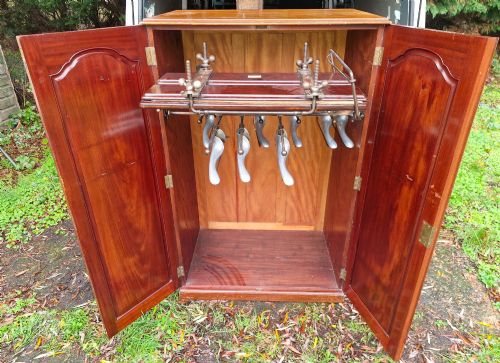
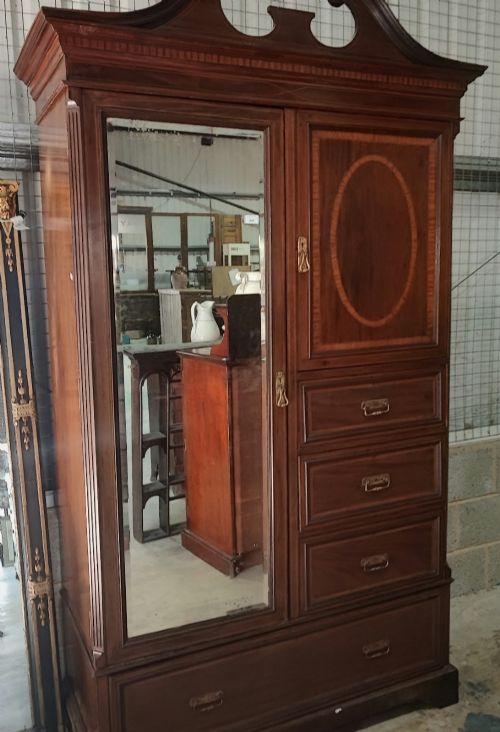
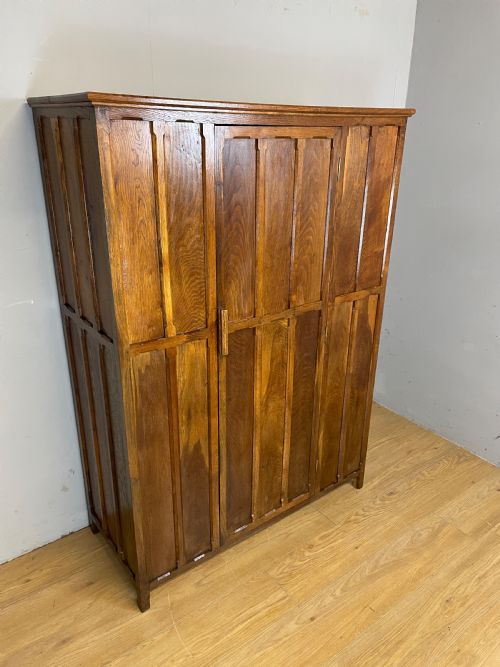
These pieces known as edwardian gentleman press are substantial timber storage furniture built for masculine attire, offering fitted hanging space and internal presses.
Edwardian Gentleman Press
An edwardian gentleman press is a large piece of storage furniture designed to organise formal clothes, often combining hanging compartments with linen presses or enclosed shelving. These items serve as practical period wardrobes that address the specific tailoring needs of past decades.
The pieces on this page appear primarily from the Edwardian period and around nineteen hundred, alongside Victorian, nineteenth century, nineteen twenty, and eighteenth century examples. They manifest in forms such as wardrobes, compactum wardrobes, gentlemans chests, chests of drawers, cabinets, and linen presses.
Makers and retailers such as Maple and Co, Edwards and Roberts, and Whytock and Reid of Edinburgh contribute to the selection alongside pieces in the style of the Cotswold School. Styles range across Edwardian, Victorian, Edwardian Neo-Classical, Edwardian Arts and Crafts, Arts and Crafts, and George III aesthetics.
What Varies in Quality
The choice of primary wood and secondary timber selection defines the baseline of construction quality across these pieces. Fine grain mahogany or figured satinwood sits apart from standard pine.
The sophistication of internal fittings, from dedicated trouser presses to integrated drawer banks, separates basic storage units from comprehensive compactums. Maker attribution, such as documented work by Maple and Co or Edwards and Roberts, influences the standing of individual pieces.
Edwardian Gentleman Press Retail Price Guide 2026
Typical asking prices for edwardian gentleman press among the pieces listed under this phrase on Sellingantiques today, from the lower quarter to the upper quarter. They describe what is for sale here now, not the wider market.
Cabinet forms include compactum wardrobes, gentleman's chests, linen presses, and standard wardrobes.
Maples and Co·Edwards and Roberts·Whytock and Reid of Edinburgh
The Edwardian Gentleman Press Glossary
- Compactum
- A multi-compartment wardrobe combining hanging space, drawers, and shelving within a single unified structure. This form maximises storage efficiency in bedroom interiors.
- Linen Press
- A tall piece of furniture featuring upper sliding trays or shelves enclosed by doors, traditionally used for flat textiles. Lower sections typically incorporate drawer storage.
- Gentleman's Chest
- A hybrid storage form combining a chest of drawers base with an upper cupboard section. It provides tailored storage for men's garments and accessories.
- Lead Light
- Glazing held together by lead cames to form geometric or decorative patterns within cabinet doors. This technique adds visual texture to Edwardian and Arts and Crafts pieces.
- Satinwood Inlay
- Contrasting timber veneers set into the primary wood surface to create decorative borders and motifs. It reflects the refined detailing characteristic of Edwardian Neo-Classical design.
Edwardian Gentleman Press: Frequently Asked Questions
What is an edwardian gentleman press?
An edwardian gentleman press is a tall wooden storage piece designed to hold formal menswear. It typically combines hanging space with sliding shelves or an integrated trouser press.
These pieces reflect the tailoring requirements of the early twentieth century, offering dedicated compartments for waistcoats, trousers, and linens.
How do I use one today?
These pieces function as primary bedroom wardrobes for hanging garments and storing folded clothing. Their internal drawers and presses suit modern organisation needs.
Placing them requires adequate ceiling height and floor space due to their substantial proportions and heavy timber construction.
How do I date a gentleman's wardrobe?
Dating relies on timber choices, construction methods, and decorative styles visible across the piece. Edwardian and nineteen-hundred examples often feature satinwood inlay or Arts and Crafts influences.
Earlier Victorian and eighteenth-century George III pieces display heavier proportions, distinct bracket feet, and different internal configurations.
What woods were used?
Primary woods include mahogany, oak, satinwood, and pine. Mahogany and oak provide robust structural integrity for large wardrobe frames.
Satinwood and satinwood inlay appear on lighter, more decorative pieces, whilst glass, mirror, and brass provide functional and visual accents.