


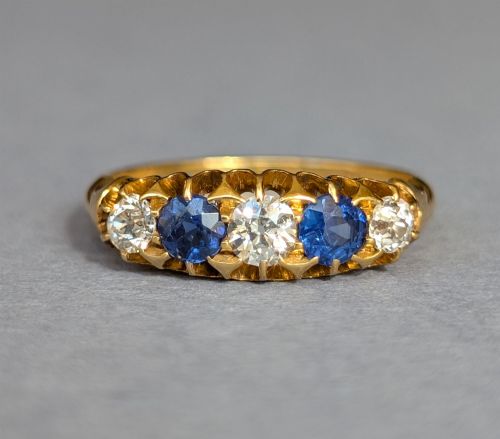
Edwardian Gemstone Ring Gold
An edwardian gemstone ring gold brings together vibrant coloured stones and period precious metals in lasting cluster, boat, and solitaire forms.
Edwardian Gemstone Ring Gold
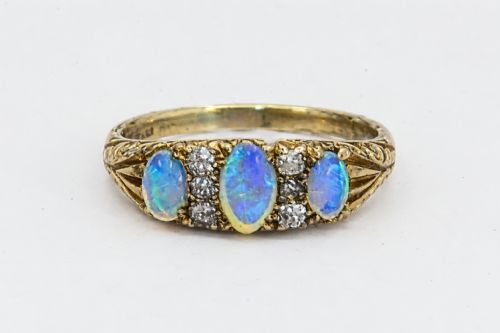
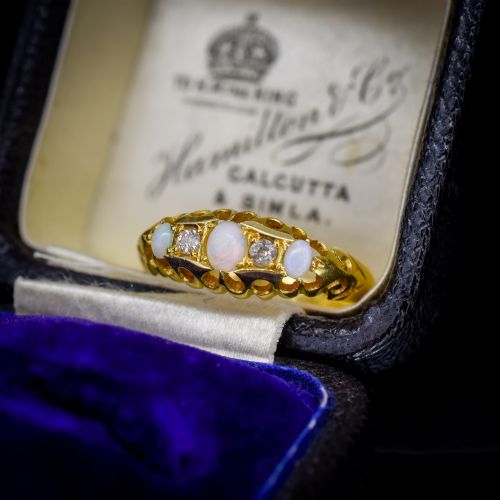
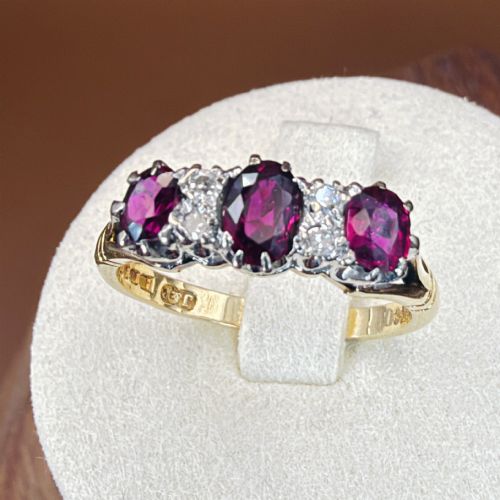
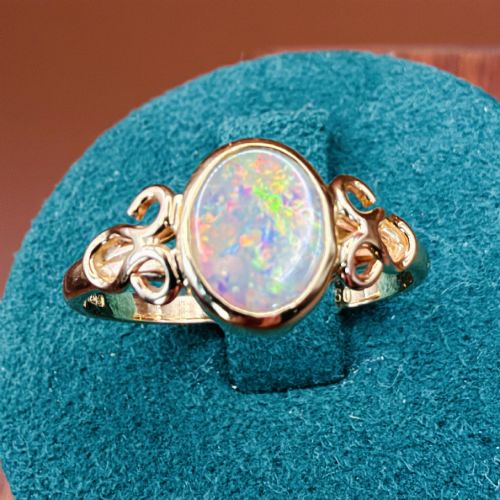
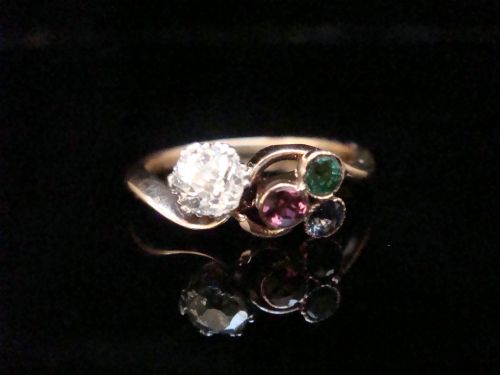
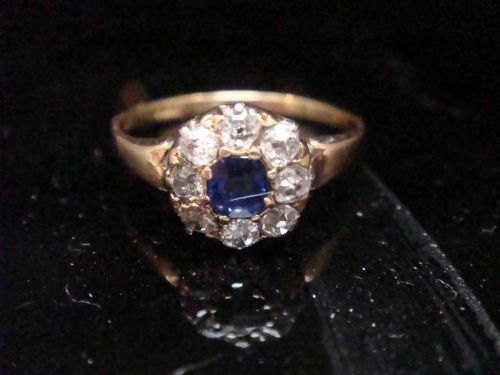
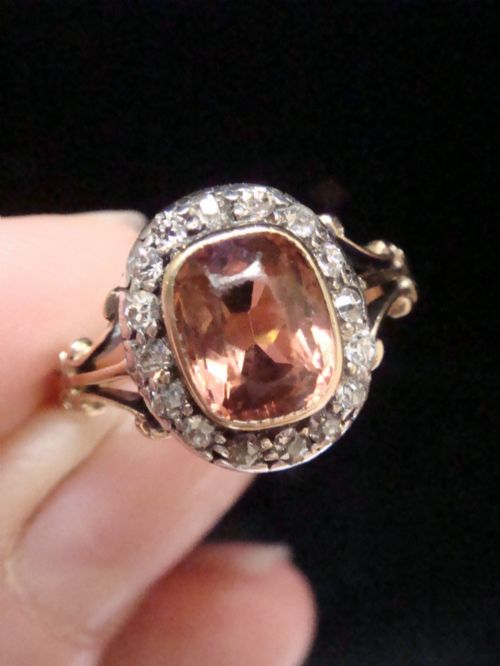
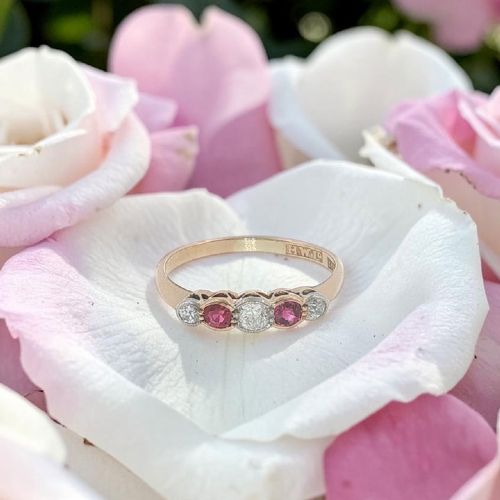
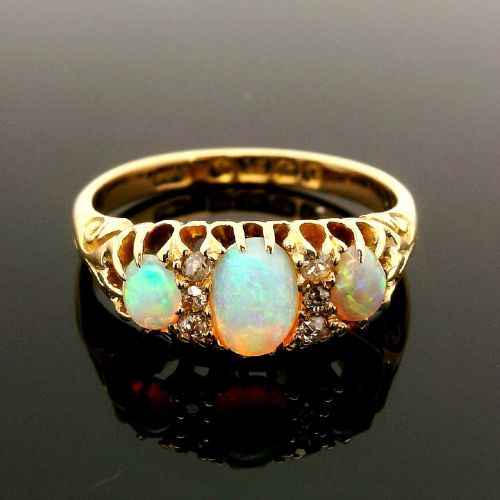
When searching for an edwardian gemstone ring gold, a buyer encounters pieces primarily shaped during the early twentieth century alongside Victorian survivals and later revivals. These rings typically display clusters, boats, and multi-stone band configurations set with diamonds, rubies, sapphires, and opals.
The version most commonly met on this page is an eighteen-carat gold mount holding a central ruby, sapphire, or opal flanked by old cut diamonds. Hallmarks frequently anchor these items to Birmingham assay offices and precise dates around nineteen hundred to nineteen ten.
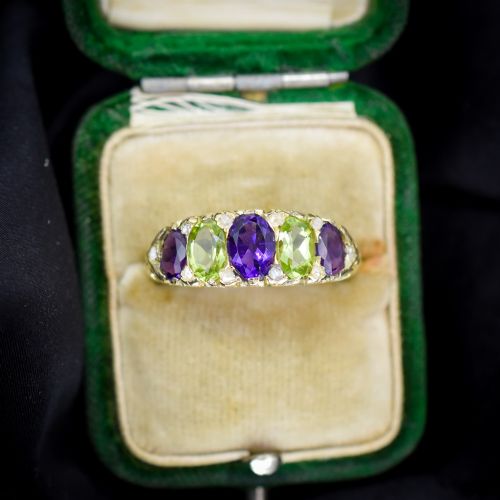
Makers utilised traditional forms like the daisy cluster and the five stone line to showcase colourful gems against warm yellow gold or brighter white metals. These jewels were designed to sit low on the hand, offering everyday elegance through durable stone selections.
How they were made
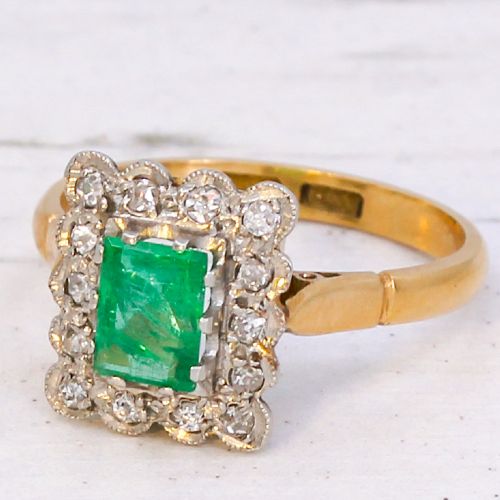
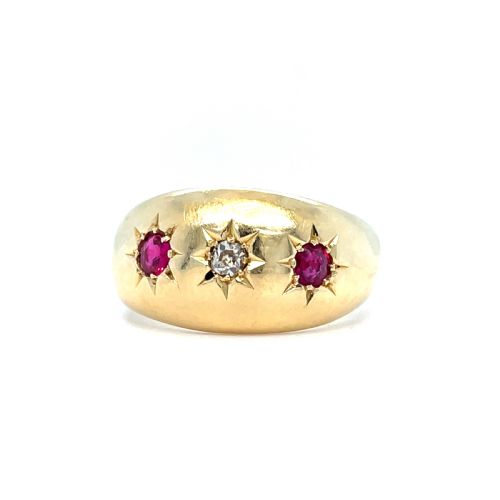
Goldsmiths worked primarily with eighteen-carat yellow gold, alongside occasional fifteen-carat variants, platinum, and silver-topped gold settings designed to enhance the brilliance of white stones. Gems were secured using traditional bezel, star, and claw techniques that held old cut diamonds and cabochon opals firmly in place.
Lapidaries shaped rubies, sapphires, emeralds, and tourmalines into round, oval, and cabochon profiles before hand-setting them into detailed gallery work. Metal was chased, pierced, and engraved by hand to create the delicate floral and geometric shapes characteristic of the period.
Several pieces preserve the exact day they were given, carrying crisp Birmingham hallmarks dated down to the year nineteen hundred and eight.
What varies in quality
The hierarchy of these rings rests upon the natural origin, clarity, and saturation of the central coloured stones, alongside the cut and brilliance of accompanying old mine diamonds. Unheated sapphires and rubies command greater interest than treated counterparts, while matching colour uniformity across multi-stone clusters elevates a piece.
Structural integrity of the gallery and the crispness of hand-engraving distinguish superior workshops from standard production. Original hallmarks, minimal metal thinning on the band, and secure stone settings also separate exceptional survivals from heavily worn examples.
The Edwardian Gemstone Ring Gold Glossary
- Boat ring
- A setting shaped like a traditional boat hull, curving gently across the finger to hold a row of graduated gems.
- Old cut diamond
- A hand-faceted diamond shape featuring a smaller table, higher crown, and open culet characteristic of early twentieth-century cutting.
- Starburst ring
- A design where metal is engraved or shaped in radiating lines around a central gemstone to mimic a star.
- Trilogy ring
- A ring featuring three main gemstones, often interpreted symbolically as representing past, present, and future.
- Cabochon
- A gemstone polished into a smooth, convex rounded surface rather than faceted with flat planes.
Edwardian Gemstone Ring Gold: Frequently Asked Questions
How do I care for a delicate opal ring?
Opals contain natural water content and require gentle cleaning using a soft damp cloth without harsh chemical immersion.
Store the ring away from extreme temperature shifts and hard impacts to protect the softer silica structure.
Can I wear an antique gold ring daily?
Eighteen-carat gold provides suitable durability for regular wear when the band retains sufficient thickness and structural integrity.
Checking the claw settings periodically helps ensure older stones remain secure during everyday activities.
What defines the Edwardian aesthetic?
The period favours light, airy metalwork often combining yellow gold, platinum, and silver-topped settings for maximum sparkle.
Designers utilised millegrain edges and flowing floral motifs to soften the geometric rigidity found in earlier Victorian jewellery.
How are old cut diamonds different?
Older cutting techniques were performed largely by hand to maximise weight and brilliance under candle or gas light.
These stones exhibit smaller tables and deeper pavilions compared to modern brilliant cut diamonds.