


Edwardian Floral Frame
An edwardian floral frame brings botanical motifs and delicate craftsmanship into a room to display cherished photographs or artworks.
Edwardian Floral Frame
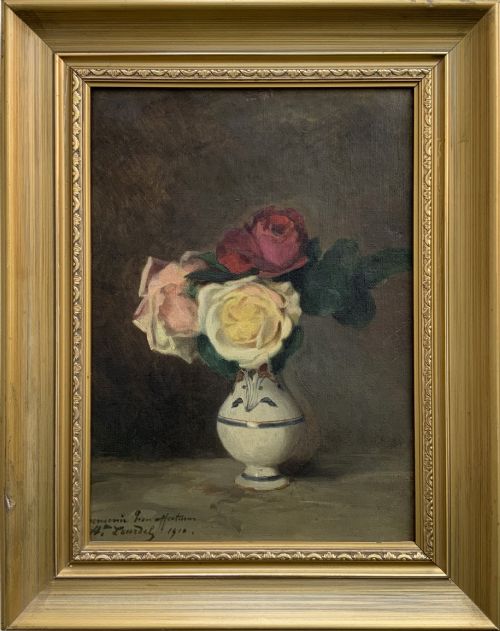
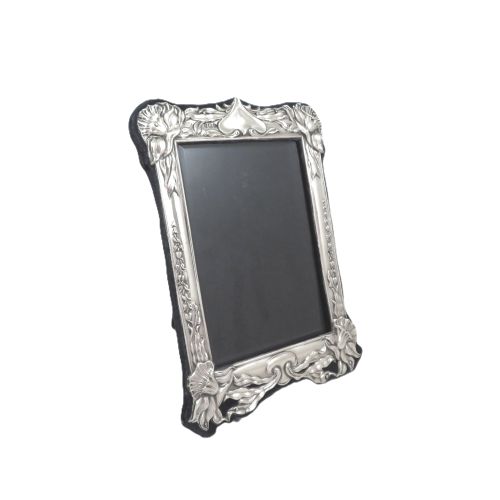
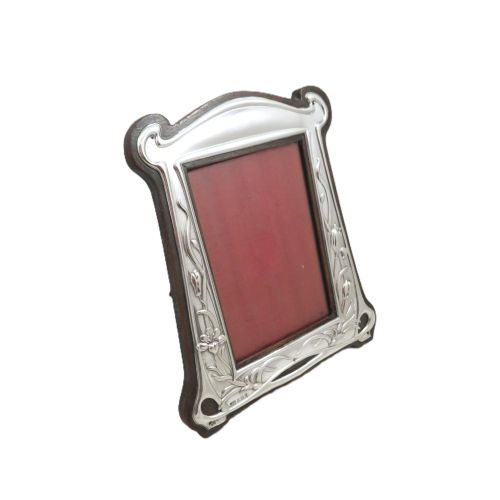
When you search for an edwardian floral frame, you encounter items designed to showcase portraits and landscapes with botanical embellishments. These objects reflect the decorative tastes of the early twentieth century and the preceding decades.
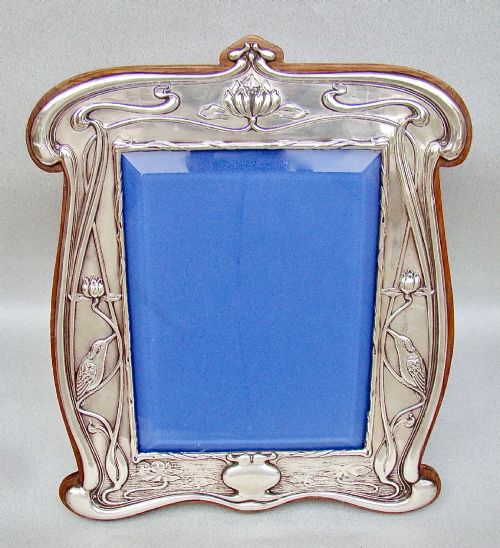
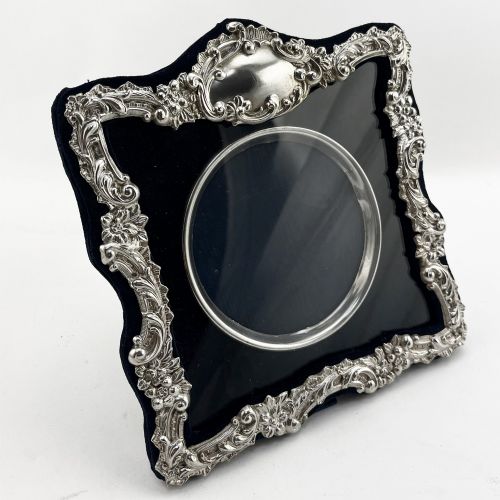
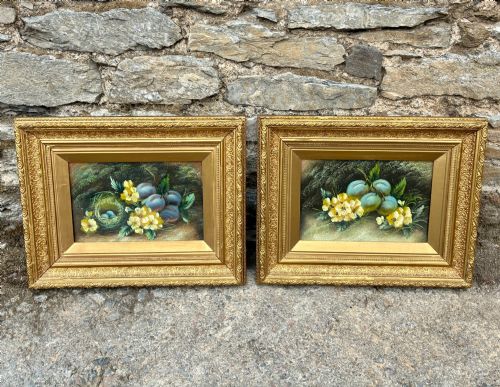
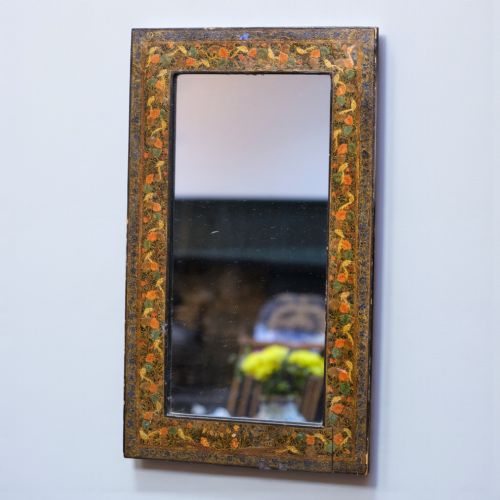
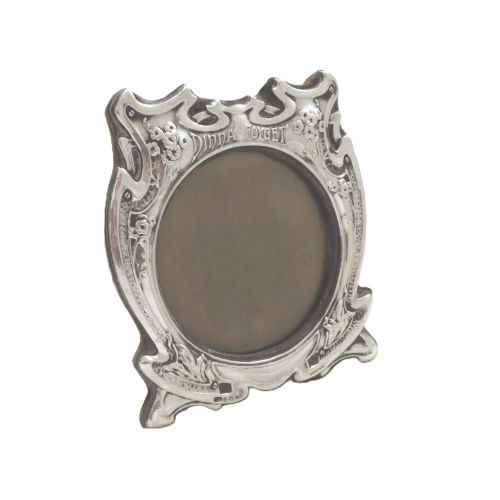
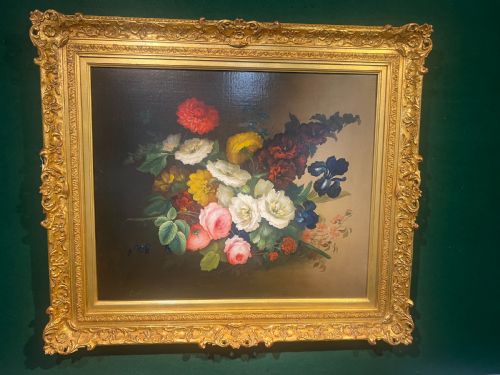
The selections available include sterling silver photograph holders alongside carved wooden and gesso surrounds. Many pieces incorporate organic motifs such as roses and ribbons into their borders.
Makers from this period utilised silver embossing and gilt finishes to highlight floral patterns. These frames bridge functional home accessories and decorative art.
How they were made
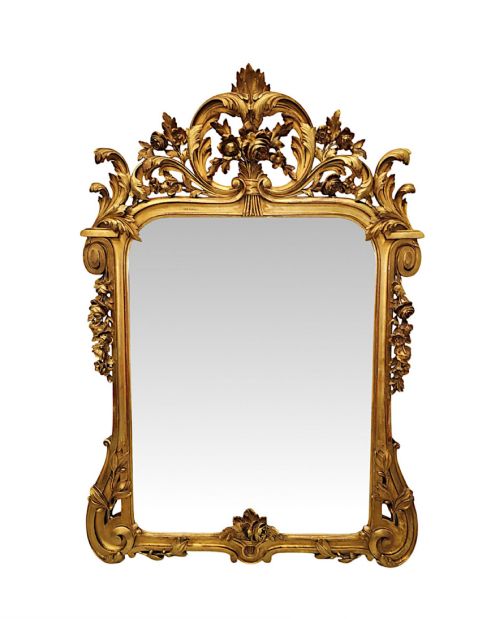
Makers constructed these frames using sterling silver, mahogany, rosewood, and cast gesso. Craftsmen employed embossing techniques on metal sheets and intricate carving on wooden mouldings to produce relief floral designs.
Silver components typically feature hallmarks indicating the year of assay and the silversmith's mark. Wooden and gesso surrounds rely on applied ornamentation finished with gold leaf or paint.
Edwardian Floral Frame Retail Price Guide 2026
Typical asking prices for edwardian floral frame among the pieces listed under this phrase on Sellingantiques today, from the lower quarter to the upper quarter. They describe what is for sale here now, not the wider market.
Several frames carry affectionate Victorian inscriptions like Dinna Forget, reminding recipients of distant admirers.
What varies in quality
The crispness of the floral embossing and the depth of the gesso or wood carving determine the distinction between standard and superior pieces. Hand-worked details display sharper definition in the petals and leaves than mass-produced castings.
The integrity of the structural backing, the original easel support, and the retention of the silver hallmark or gilt finish influence the standing of an individual frame.
Edwin Steele·William Thomas Wood·Gertrude Hayes·Thomas Bromley Blacklock·Ernest Higgins Rigg·Theresa Stannard·Lilian Stannard·David Woodlock·Elizabeth T Sutcliffe·Alice Macallan Swan
The Edwardian Floral Frame Glossary
- Sterling silver
- A metal alloy containing ninety-two point five percent silver by mass, frequently utilised for Edwardian photo frames.
- Gesso
- A plaster-like mixture applied to wood and moulded into floral decorations before being gilded or painted.
- Hallmark
- An official stamp applied to precious metals indicating the standard of purity and the assay office.
- Embossing
- A stamping technique that raises floral motifs in relief from the flat surface of the metal.
Edwardian Floral Frame: Frequently Asked Questions
What periods do these frames represent?
These items predominantly date from the Edwardian era and the late nineteenth century. They embody the aesthetic preferences prevalent around nineteen hundred.
Design influences span from Victorian ornamentation to Art Nouveau and Arts and Crafts movements. The materials reflect the prevailing manufacturing methods of those decades.
How were silver frames constructed?
Silversmiths embossed thin sheets of sterling silver over wooden or composite cores. They attached easel backs to support the frame on a surface.
Intricate floral borders were pressed into the metal using steel dies. Artisans then polished the raised portions to contrast with the recessed details.
How should I clean a silver frame?
Maintenance requires a soft cloth and a gentle silver cleaner suitable for antique items. Avoid abrasive cloths that might flatten the embossed floral relief.
Take care around the original velvet or fabric backing often found on the reverse. Proper storage away from damp environments preserves both the metal and the lining.
Are wooden frames decorated differently?
Wooden and gesso surrounds often feature hand-carved or moulded floral garlands applied to the surface. Craftsmen finished these pieces with paint, gilding, or polished wood grain.
The decoration matches the prevailing styles of the period, incorporating organic curves and botanical subjects.