
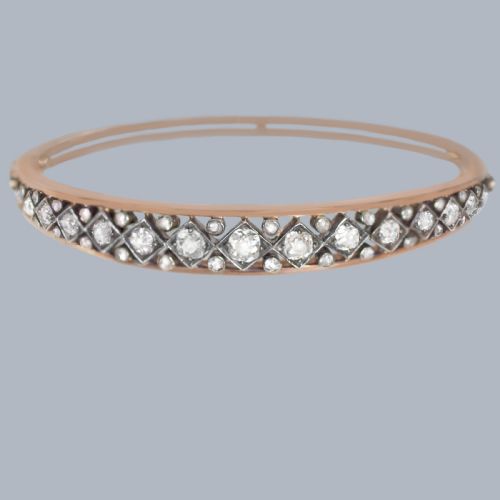


Edwardian Fine Jewellery Bracelet
These edwardian fine jewellery bracelet pieces offer delicate platinum and gold craftsmanship set with diamonds, rubies, and pearls, bringing refined period elegance to the wrist.
Edwardian Fine Jewellery Bracelet
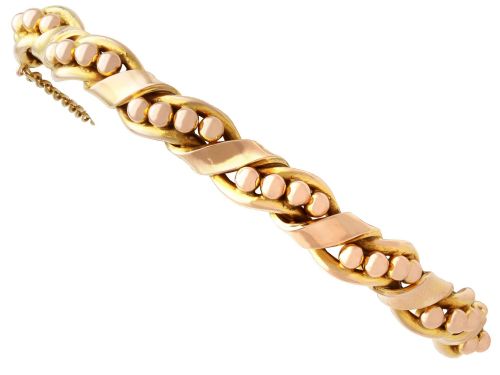
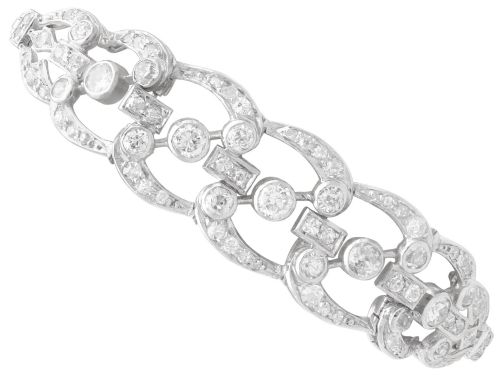
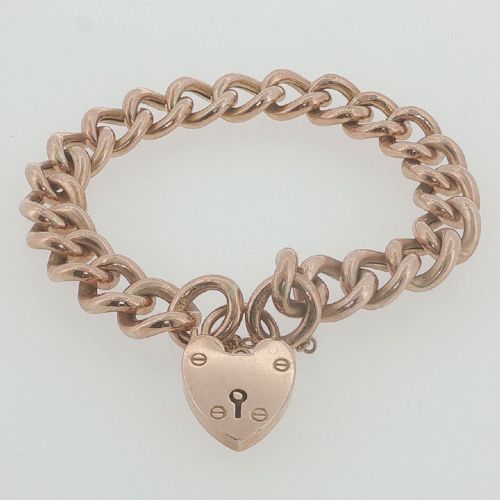
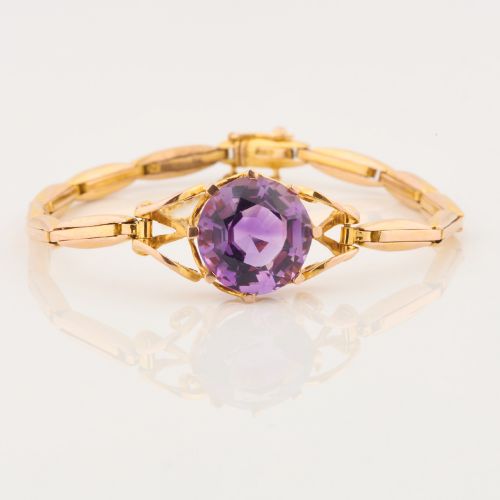
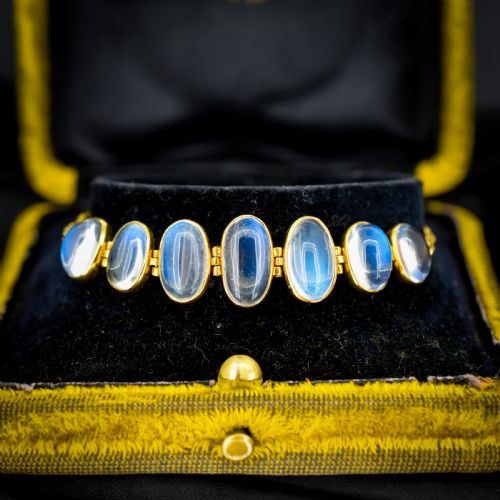
The pieces most frequently encountered combine precious metals like platinum and gold with gemstones such as diamonds, rubies, sapphires, and pearls. These range from heavy platinum Art Nouveau creations to lighter rose gold curb links.
Origins stretch across British and French workshops, encompassing distinct stylistic movements from Belle Epoque intricacy to clean linear geometry. Each item reflects the prevalent decorative arts of its specific decade of production.
What varies in quality
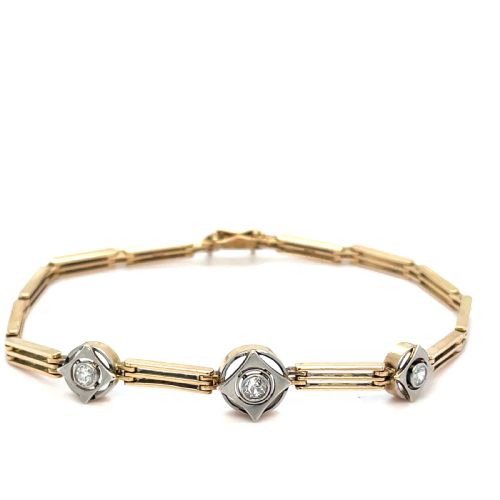
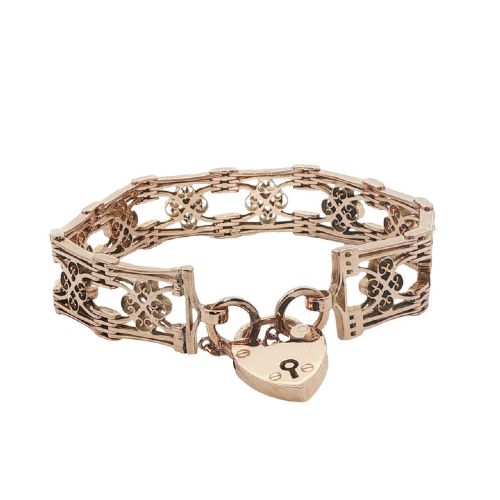
The calibre of these pieces depends upon the weight of the precious metals used and the scale of the gemstones set within them, distinguishing delicate everyday wear from substantial statement items. Superior examples demonstrate intricate metalwork, such as pierced platinum galleries or complex gate links.
Gemstone selection and the precision of their placement drive the distinction between standard items and high-end creations. The integration of fine saltwater pearls or sizeable old-cut diamonds elevates the overall composition of the bracelet.
Listings feature periods spanning from the Victorian era through the Edwardian decade, Art Deco, and into the nineteen-sixties.
The Edwardian Fine Jewellery Bracelet Glossary
- Bangle
- A rigid bracelet that slips over the hand or fastens with a hinge. These items often feature prominent stone settings across the top surface.
- Old mine cut
- An early form of diamond cutting characterised by a cushion shape with a small table and large culet. This style reflects the hand-polishing techniques of the Victorian and Edwardian eras.
- Collet set
- A method of securing a gemstone where a metal collar wraps around the stone's girdle. This technique provides a clean, continuous border of metal.
- Gate bracelet
- A flexible design composed of parallel metal bars linked together, frequently secured with a heart-shaped padlock clasp. Popular during the late nineteenth and early twentieth centuries.
- Belle Epoque
- A French design period spanning the late nineteenth and early twentieth years of the twentieth century. It is known for its garland style and light platinum frameworks.
Edwardian Fine Jewellery Bracelet: Frequently Asked Questions
How do I care for an antique bracelet?
Clean these delicate items gently with a soft cloth and avoid harsh chemical dips that can damage pearls, softer stones, or aged metal settings.
Store each piece separately in a lined box to prevent scratching between harder gemstones like diamonds and softer organic materials.
Are these bracelets suitable for daily wear?
Many solid link and bangle designs withstand regular wear, but pieces set with pearls or intricate openwork platinum require careful handling.
Consider reserving delicate antique gemstone bracelets for special occasions to protect fragile settings and historical materials from undue stress.
How can I tell an Edwardian bracelet from a Victorian one?
Edwardian pieces often utilise platinum and white gold with light, airy openwork designs, whereas Victorian items frequently employ yellow or rose gold alongside heavier silver-topped settings.
Motifs also help distinguish the eras, with Edwardian work favouring garlands and bows while Victorian pieces often display bolder gemstone clusters and gate link structures.
What is a charm bracelet?
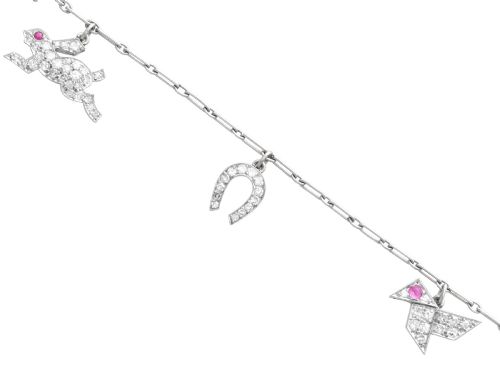
A charm bracelet is a flexible link chain designed to hold small decorative pendants or tokens that dangle from the wrist.
These pieces often accumulated meaningful trinkets over time, reflecting personal milestones or travel during the Edwardian period and beyond.