
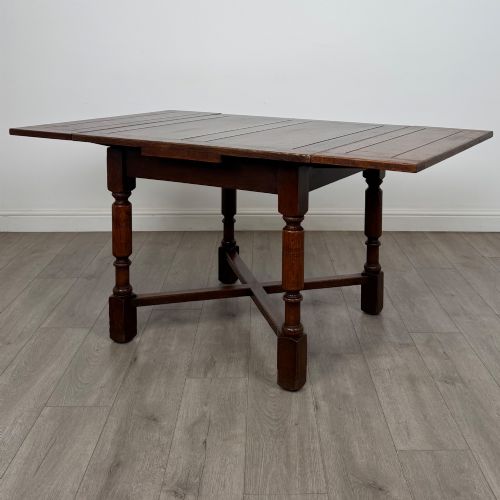


Edwardian Extension Table
An edwardian extension table provides a solid timber surface that expands to seat guests, combining practical dining space with period craftsmanship.
Edwardian Extension Table
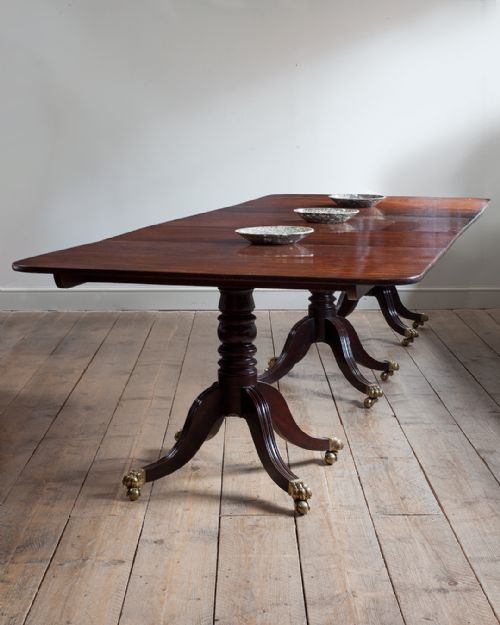
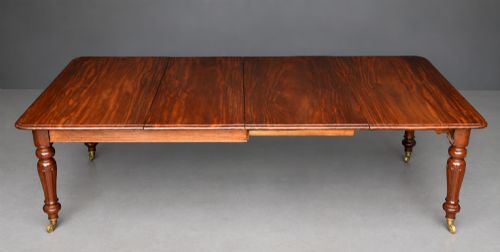
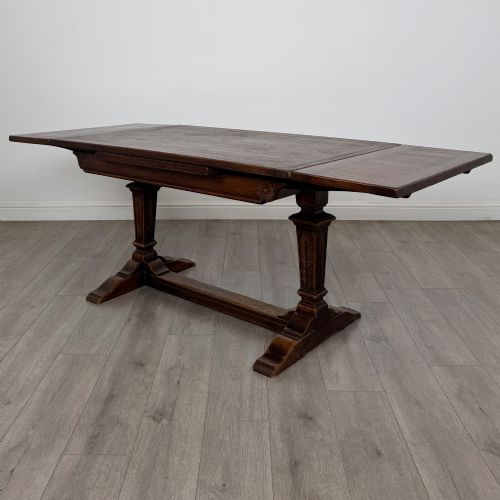
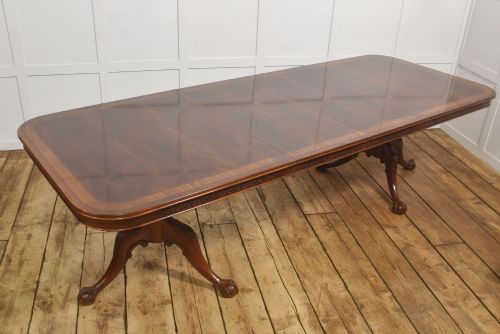
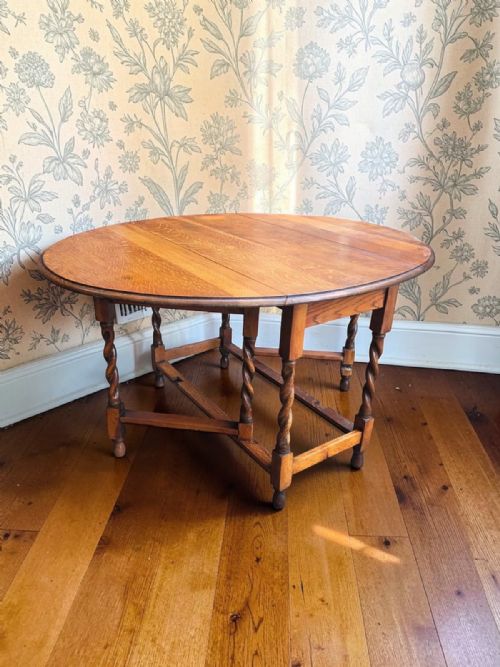
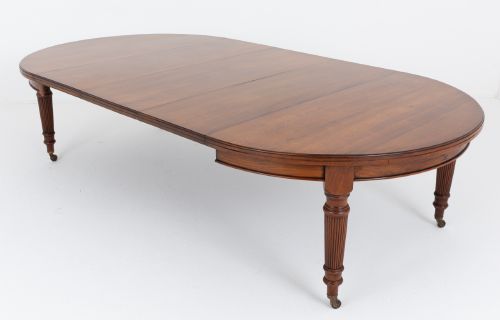
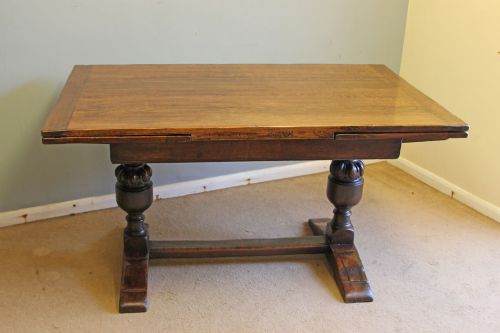
An edwardian extension table appears primarily in oak timber forms, often featuring draw leaf mechanisms or drop leaves designed for flexible dining arrangements.
The selection ranges from compact oak refectory tables to larger examples influenced by earlier revival styles, spanning periods from the late nineteenth century through to the nineteen twenties.
Buyers look for these pieces to provide functional daily dining alongside period character, utilising mechanisms that allow the surface area to increase when needed.
What varies in quality
The standard of timber selection and the precision of the extending mechanism distinguish finer examples from standard utility pieces.
Proportion and decorative detail, such as turned barley twist legs or delicate inlaid banding, elevate the overall finish of the piece.
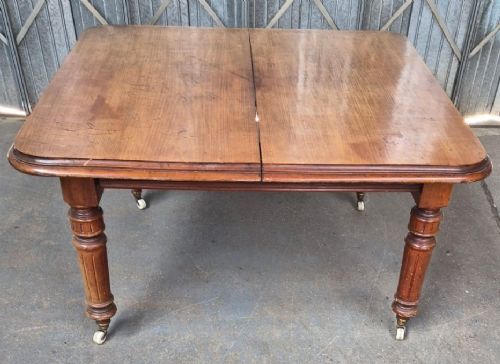
Listings feature oak and mahogany as the predominant timbers, spanning periods from the Victorian era through to nineteen twenty.
The Edwardian Extension Table Glossary
- Draw leaf
- A table design featuring two leaves stored beneath the main top that pull out to extend the surface length. This system allows quick expansion without removing separate loose boards.
- Gateleg table
- A drop leaf table where the hinged flaps are supported by hinged legs that swing out like a gate. It offers a space-saving footprint when closed.
- Pedestal table
- A table supported by one or more central columns rather than four corner legs. This configuration provides greater legroom around the perimeter of the top.
- Inlay
- A decorative technique where contrasting woods or materials are set into recesses flush with the surface. Sheraton revival pieces frequently utilise this method.
Edwardian Extension Table: Frequently Asked Questions
How do draw leaf tables work?
Draw leaf tables operate through a system where two smaller leaves are tucked neatly beneath the primary centre top. When more space is required, you pull these end leaves outward, and they rise automatically into place.
This mechanism allows the table to expand quickly without the need to store separate loose timber leaves elsewhere in the home.
Are these tables suitable for daily use?
Solid oak and mahogany construction makes these tables robust enough for everyday family dining. Their sturdy frames handle regular expansion and daily meals comfortably.
Protecting the wood surface with appropriate table mats helps preserve the polished finish against heat and moisture during routine meals.
How do I identify an Edwardian piece?
Edwardian dining tables often display lighter oak timbers and simpler decorative carving compared to heavier Victorian predecessors. Many incorporate draw leaf mechanisms or revival styles influenced by earlier cabinet making traditions.
Examining the construction methods underneath the top and checking the timber type helps confirm the period of origin.
How do I care for antique timber?
Maintaining antique timber requires dusting regularly with a soft, dry cloth and avoiding placement near direct heat sources or strong sunlight. Consistent indoor temperatures prevent the wood from drying out or splitting.
Applying occasional appropriate wax polish nourishes the grain and maintains the natural lustre of the polished surface.