

Edwardian Engagement Dress Ring
An edwardian engagement dress ring brings delicate platinum work and bright old cut stones together for a distinct period silhouette.
Edwardian Engagement Dress Ring
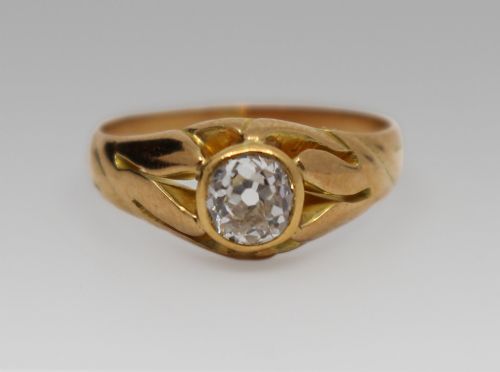
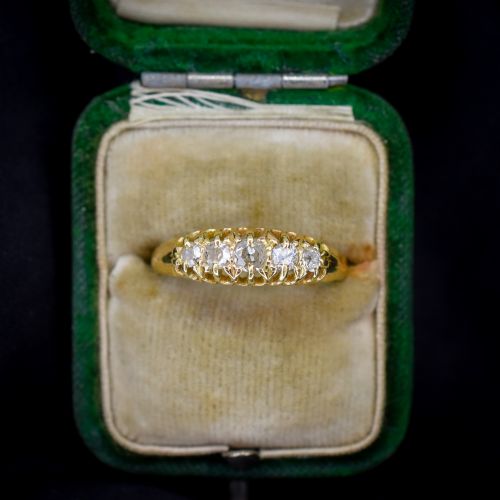
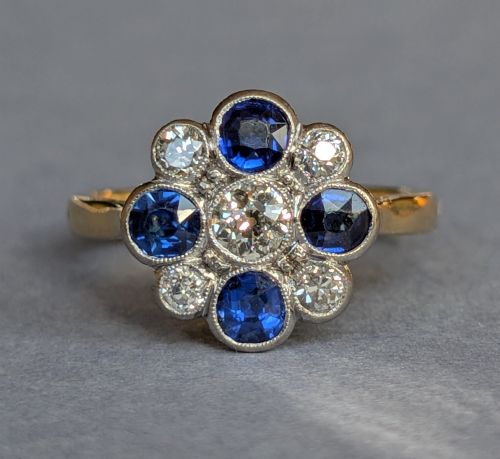
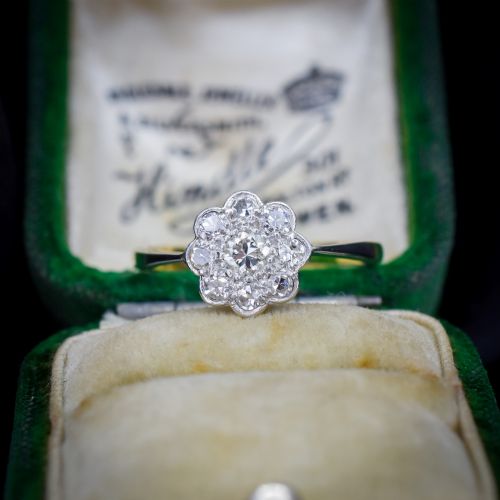
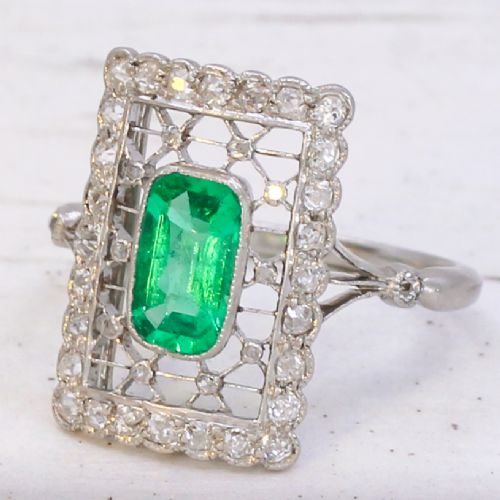
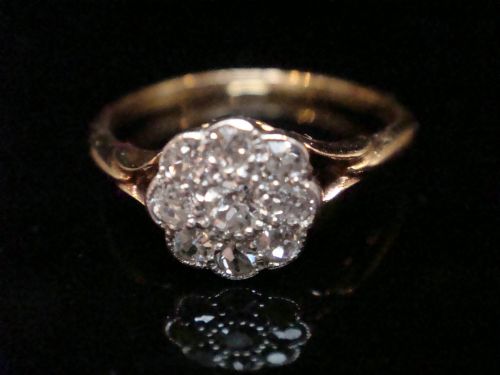
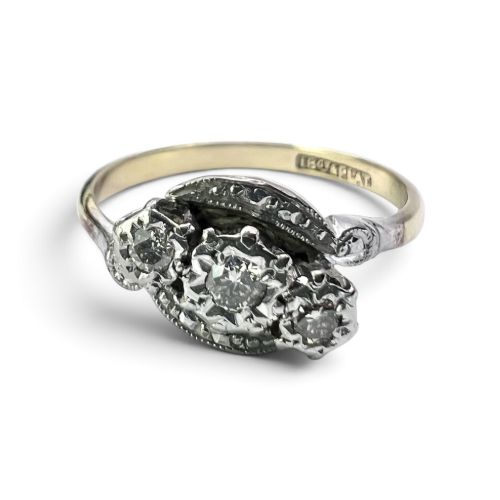
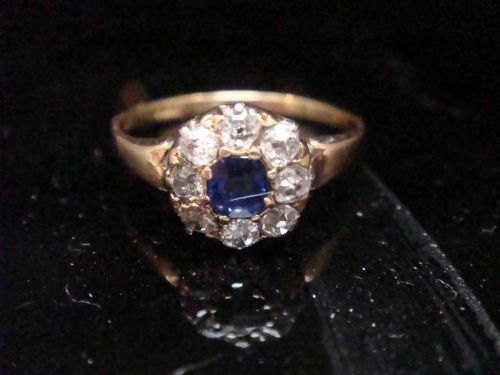
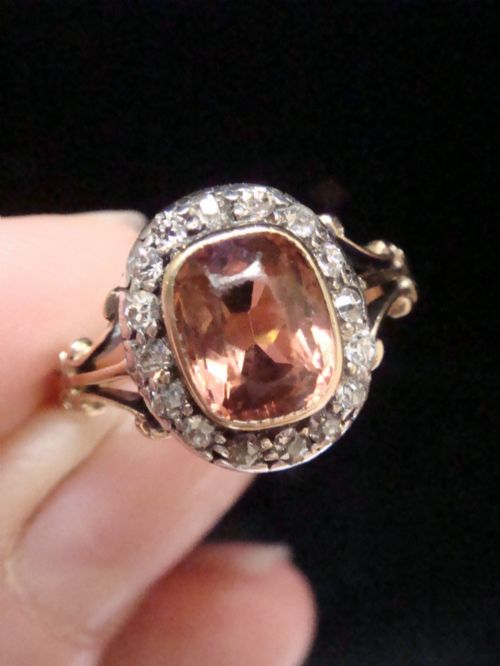
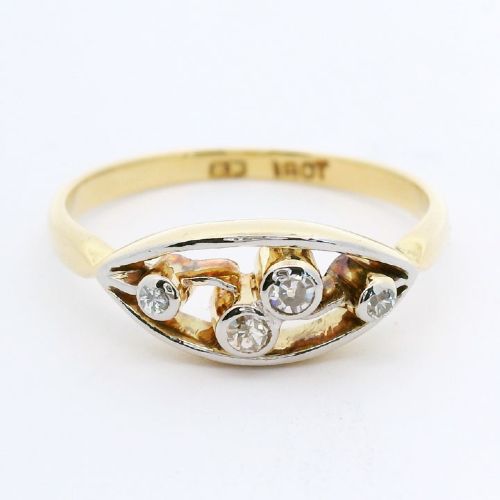
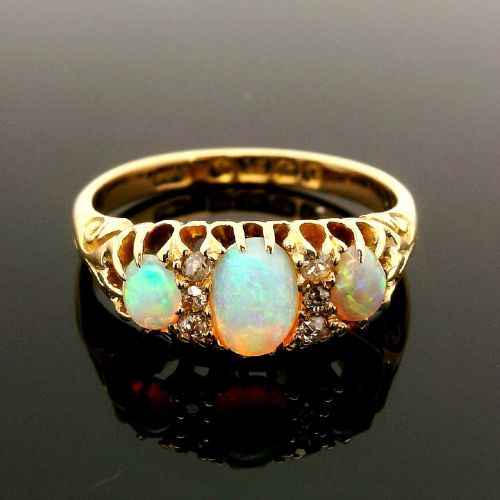
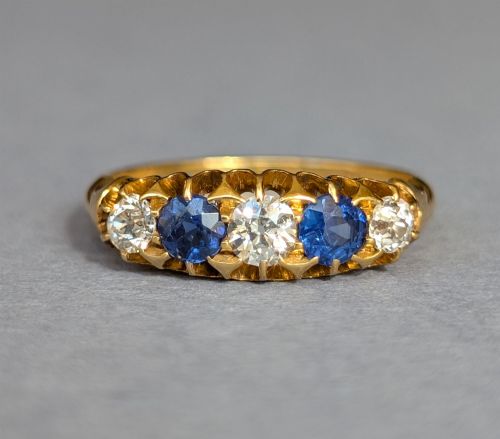
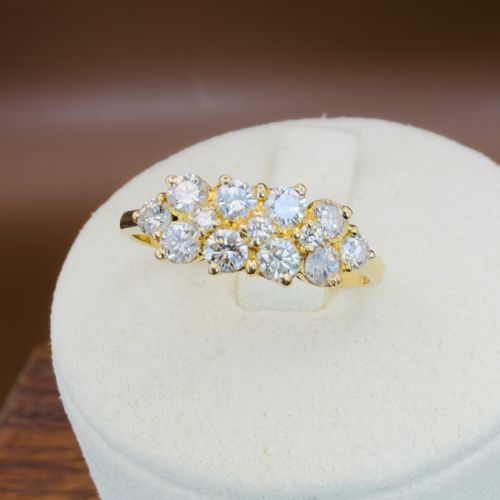
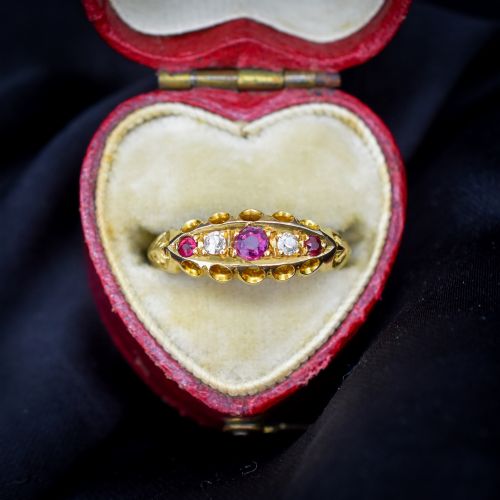
When you search for an edwardian engagement dress ring, you encounter pieces that span the Edwardian era alongside adjacent Victorian, Art Deco, and mid-century periods. These jewels take several characteristic forms, most notably the daisy cluster, the boat shape, and the five stone band.
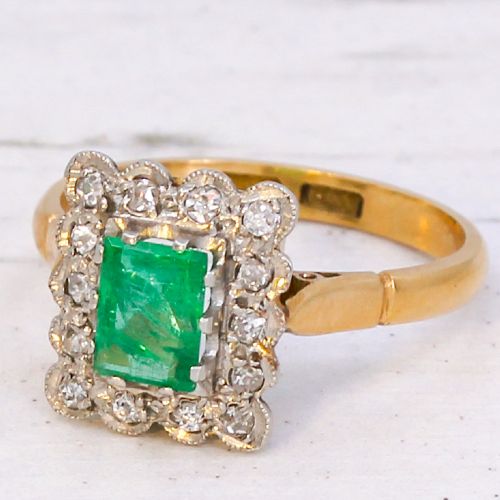
The materials used across these rings include 18ct yellow gold, white gold, and platinum settings paired with diamonds, sapphires, rubies, emeralds, opals, and pearls. The most common examples on this page are cluster rings featuring a central stone framed by smaller diamonds.
Origin details often point to British assay offices such as Birmingham and Chester, with dates clustering around the early decades of the twentieth century. Buyers select these rings for their fine proportions and the individuality of hand-set stones.
Materials and Technique
The construction of these rings relies on combining 18ct yellow gold shanks with platinum or silver settings to showcase white diamonds without colour interference. Metals are worked by hand to create slender claws, millegrain borders, and pierced galleries.
Stones are predominantly old cut, old mine cut, or transitional cut diamonds, chosen for their softer facet patterns compared to modern brilliant cuts. Coloured gems like sapphires, rubies, and emeralds are secured alongside these diamonds in tight, balanced formations.
Boat-shaped rings give fingers a nautical nod without requiring anyone to set foot on a deck.
Quality and Proportion
The distinction between standard and exceptional pieces rests on the integrity of the setting and the matching of the stones. Finer examples maintain crisp millegrain edges and secure, original claw work without replacement metal.
Proportion dictates visual appeal, where stone size and cluster spread balance harmoniously across the finger. Superior pieces display well-matched colour saturation in rubies, sapphires, or emeralds alongside lively, bright old cut diamonds.
The Edwardian Engagement Dress Ring Glossary
- Old cut
- A diamond cut by hand before modern machinery standardised facet geometry, featuring a small table, high crown, and open culet. This creates a distinctive, candlelit sparkle.
- Millegrain
- A decorative technique involving a row of tiny raised metal beads along the edge of a setting. It provides a soft texture characteristic of Edwardian jewellery.
- Cluster
- A ring design where a central gemstone is surrounded by a group of smaller stones. This layout maximises visual impact and light reflection.
- Navette
- A boat-shaped or marquise-like setting that tapers to points at either end. It elongates the appearance of the finger when worn.
- Trilogy
- A ring featuring three main stones set in a row, often interpreted to represent the past, present, and future. These settings commonly pair diamonds with rubies or sapphires.
Edwardian Engagement Dress Ring: Frequently Asked Questions
How do I care for an antique ring?
Clean these delicate pieces gently using warm soapy water and a soft brush, avoiding harsh ultrasonic cleaners that can loosen old stones. Remove the ring during physical work to protect fragile claws and softer gems like opal or pearl.
Have a jeweller inspect the settings periodically to ensure the prongs hold each diamond and gemstone securely in place.
Can these rings be resized?
Most gold and platinum bands can be adjusted by a skilled jeweller who understands antique construction. Care must be taken near pierced galleries and shoulders so the original design remains undisturbed.
Consult a specialist to determine whether a specific mounting allows for alteration without compromising the structural integrity of the metal.
What is an old cut diamond?
An old cut diamond refers to stones shaped by hand in the nineteenth and early twentieth centuries rather than by automated cutting machines. These gems possess characteristic proportions, including smaller tables and deeper pavilions.
Their facet arrangement produces a warm, distinctive glow under low lighting conditions rather than the sharp brilliance of modern stones.
Are these pieces suitable for daily wear?
These rings adorn hands daily when treated with appropriate care and consideration for their age. Harder stones like diamond, sapphire, and ruby withstand regular use well.
Softer gems such as opal or pearl require greater mindfulness to prevent knocks, scratches, and exposure to chemicals.